


Beyond Rice and Corn
For many in India, a gluten-free lifestyle has traditionally meant relying on rice in its many forms. While delicious and versatile, the culinary world of gluten-free cooking is much broader. Ancient grains, largely unchanged for centuries, are making
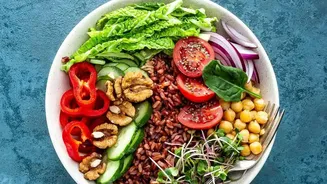
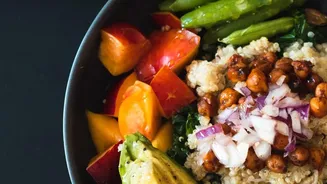
a well-deserved comeback. These grains, including millet (bajra) and sorghum (jowar), have been staples in Indian households for generations and are now being rediscovered for their impressive nutritional profiles and cooking versatility. They offer a fantastic way to add variety, nutrients, and new flavours to your daily meals, moving beyond the familiar and into a more diverse and satisfying way of eating.
Meet Millet (Bajra)
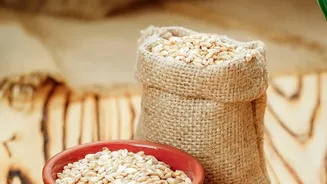
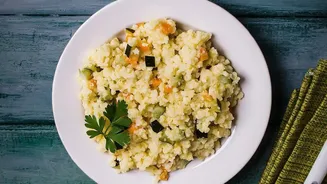
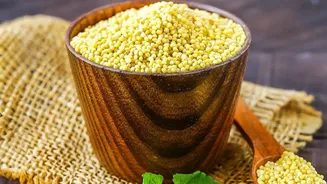
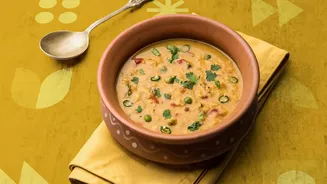
Pearl millet, fondly known as bajra, is a powerhouse of nutrition and a familiar sight in Indian kitchens, especially during winter. Naturally gluten-free, it is rich in fibre, protein, iron, and magnesium. Its high fibre content aids in digestion and promotes a feeling of fullness, which can be beneficial for weight management. Bajra has a slightly nutty flavour and is incredibly versatile. The most common use is bajra roti, a hearty flatbread perfect with dal and sabzi. But its uses don't stop there. You can use millet flour for dosas, create a comforting breakfast porridge, or cook the whole grains like rice to use in khichdi or salads.
Say Hello to Sorghum (Jowar)
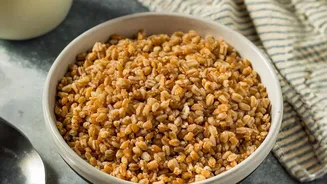
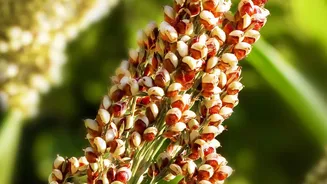
Sorghum, or jowar, is another gluten-free champion that has long been a staple in India, particularly in western and central regions. Often called the "new quinoa," jowar is celebrated for its high concentration of fibre, protein, and essential nutrients like iron and phosphorus. It is a complex carbohydrate, which means it digests slowly, helping to maintain stable blood sugar levels. The most popular way to enjoy jowar is as bhakri or roti, a soft, unleavened flatbread. Jowar flour is also excellent for making cheelas and dosas. The whole grain can be boiled and used in salads or even popped like popcorn for a healthy snack. Its mild flavour allows it to absorb the tastes of other ingredients, making it a wonderful and adaptable addition to any meal.
Discovering Teff
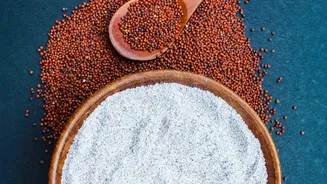
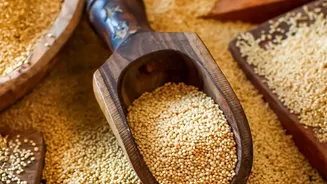
While millet and sorghum are familiar names, teff is a lesser-known but equally impressive ancient grain. Originally from Ethiopia, where it's used to make the traditional sourdough flatbread injera, teff is the smallest grain in the world. But don't let its size fool you; it's a nutritional giant. Teff is packed with protein, fibre, and minerals, boasting an exceptional amount of calcium and iron compared to other grains. It has a unique, slightly sweet and nutty flavour. Teff flour is fantastic for baking, lending a moist texture to everything from bread and muffins to cookies. As a whole grain, it can be cooked into a creamy porridge, similar to polenta, or used to thicken soups and stews.
Tips for Your Kitchen
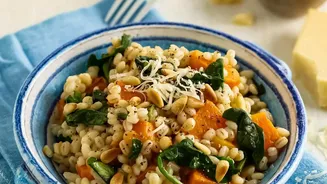
Incorporating these grains is simple. Start by introducing them gradually, perhaps by mixing millet or jowar flour with your regular atta if you're not strictly gluten-free, or by having one millet-based meal a week. Soaking millets for a few hours before cooking can improve digestion and nutrient absorption. When making rotis from jowar or bajra flour, using warm water to knead the dough helps create a softer, more pliable result. Don't be afraid to experiment. Use these grains as a substitute for rice, in your breakfast porridge, or in baking to discover new family favourites.