






The Ghost in the Machine
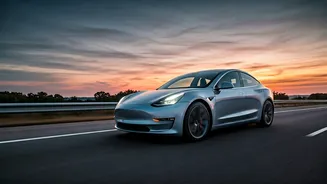
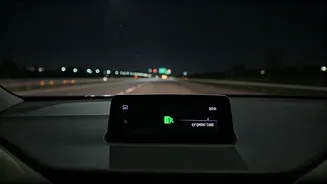
Imagine cruising down the highway with Autopilot engaged when your car suddenly slams on the brakes, despite a clear road ahead. This unsettling experience is what thousands of Tesla drivers have dubbed "phantom braking." It refers to unexpected and often
sharp deceleration commanded by the vehicle's driver-assistance systems, like Autopilot or Traffic-Aware Cruise Control. The braking events typically occurred without any obvious obstacle, leaving drivers startled and concerned about the risk of a rear-end collision. Most incidents involved a speed reduction of 10-20 mph over a few seconds, but the abruptness was enough to cause significant alarm.
A Four-Year Regulatory Saga
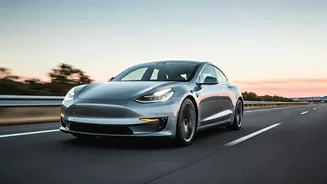
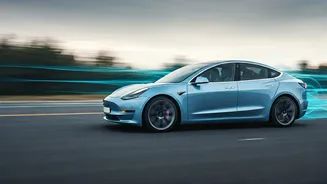
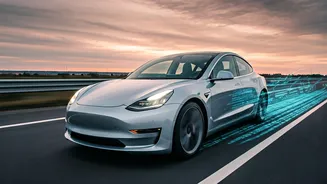
The issue became so widespread that it caught the attention of the U.S. National Highway Traffic Safety Administration (NHTSA). In February 2022, after receiving over 300 complaints, the agency opened a formal investigation into an estimated 695,000 Model 3 and Model Y vehicles from the 2021 and 2022 model years. The probe aimed to determine the severity and root cause of the problem. Investigators noted that the complaints often coincided with Tesla's 2021 decision to remove radar sensors from its vehicles, shifting to a camera-only system known as "Tesla Vision." This change was identified as a likely factor, as the vision-only system may have been misinterpreting shadows or other road anomalies as obstacles.
The Over-the-Air Fix
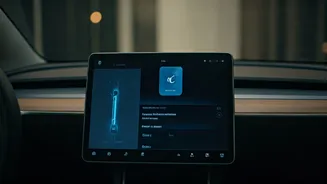
Rather than a physical recall, Tesla's solution came in the form of over-the-air (OTA) software updates. The company began pushing new firmware to its fleet in early 2022, specifically designed to address the unexpected braking behavior. This is a hallmark of Tesla's strategy: treating cars like smartphones, where software bugs can be patched remotely without a trip to the dealership. The data suggests this approach was highly effective. After the updates began rolling out, the number of complaints filed with the NHTSA dropped dramatically.
An End to the Investigation
In a significant development in early July 2026, the NHTSA officially closed its four-year investigation. The agency cited two main reasons: the sharp decline in incident reports and a finding that the events posed a low safety risk. Complaint numbers fell from hundreds in 2022 to just three in the first half of 2026. Furthermore, the investigation found no crashes, injuries, or fatalities linked to phantom braking. Regulators also determined that the deceleration events did not typically cause vehicles to swerve from their lane or create a significant collision risk. While the agency noted it could reopen the probe if circumstances change, the closure marks a major milestone for Tesla, effectively validating its software-based solution.
The Future of Automotive Problems
The entire phantom braking saga serves as a case study for the future of the automotive industry. As vehicles become more reliant on complex software and driver-assistance features, issues are increasingly likely to be rooted in code rather than mechanical parts. The distinction is crucial; a software problem can be introduced fleet-wide overnight, but it can also be fixed just as quickly. Tesla's ability to resolve a major safety investigation through remote updates demonstrates the power of this model. For owners of affected 2021-2022 vehicles, the fix has likely already been on their cars for years, delivered silently while they slept. It highlights a new reality where maintaining your car means not just changing the oil, but also downloading the latest software update.