



The Case for Walking: Accessible Cardio
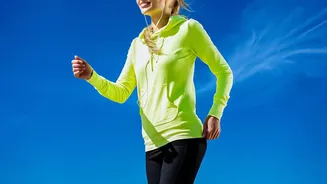
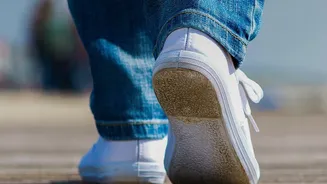
Walking is perhaps the most underrated form of exercise. Its greatest strength lies in its accessibility—it’s free, requires no special equipment beyond comfortable shoes, and can be done almost anywhere. Primarily a cardiovascular activity, regular brisk
walking is excellent for heart health, helping to lower blood pressure, improve circulation, and manage weight. It’s a weight-bearing activity, which helps strengthen bones, and its low-impact nature makes it a safe starting point for people of all fitness levels and ages. Furthermore, walking has a powerful positive impact on mental health, reducing stress and improving mood, especially when done outdoors.
Walking Safely: It’s All in the Form
To get the most out of your walk and prevent injury, form is crucial. Stand tall, as if a string is pulling you up from the crown of your head. Keep your eyes looking 10-20 feet ahead, not down at your feet, to avoid straining your neck and back. Your shoulders should be relaxed, rolled back and down, not hunched up by your ears. Swing your arms from your shoulders, with elbows bent at about 90 degrees. Your stride should be a smooth, rolling motion from heel to toe, avoiding a flat-footed thud that can jolt your joints. Finally, gently engage your abdominal muscles to support your spine and maintain stability.
The Case for Pilates: Core Strength and Control
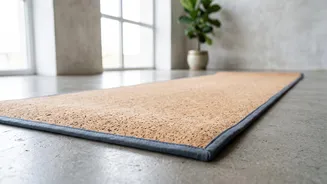
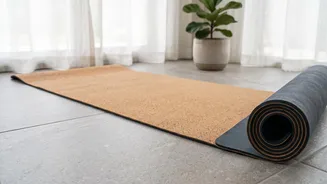
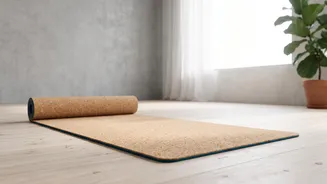
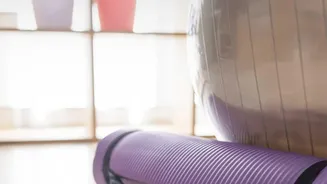
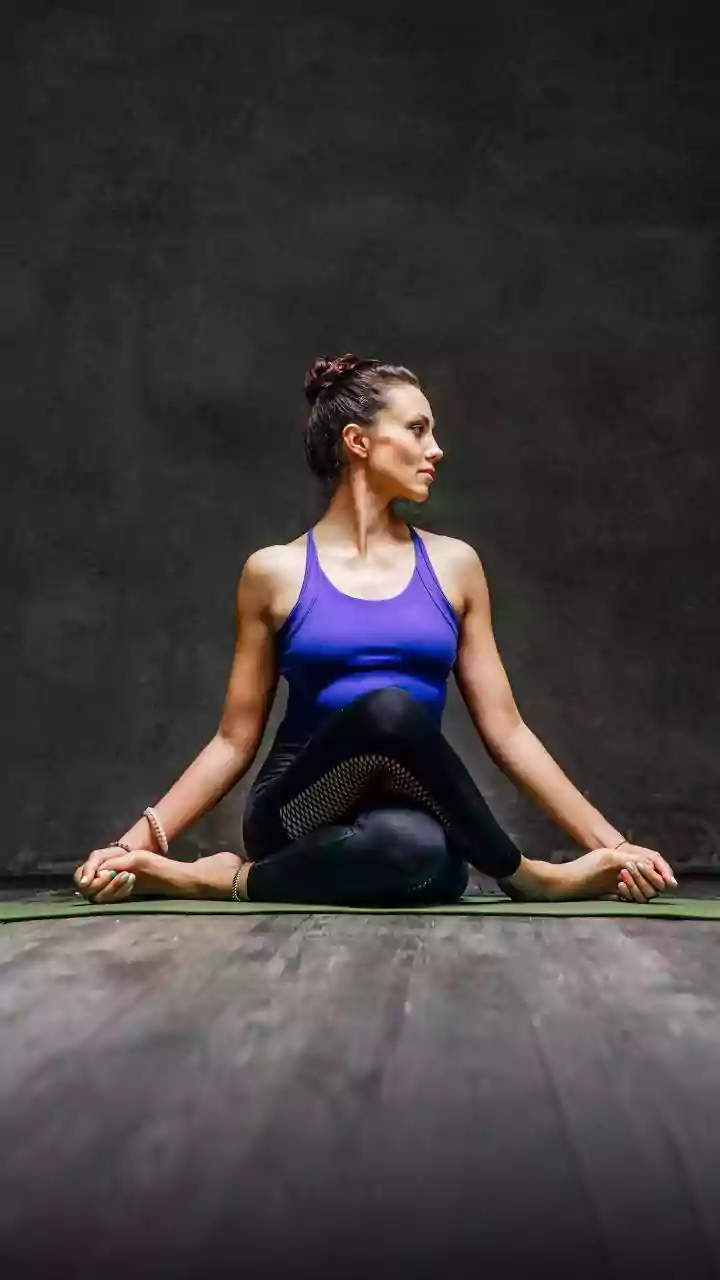
Pilates is a system of low-impact exercises focused on controlled movements, core strength, flexibility, and body awareness. While walking primarily works the lower body in a forward motion, Pilates provides a full-body workout that strengthens deep stabilizing muscles in the abdomen, back, and pelvis. This focus on the body's 'powerhouse' leads to significant improvements in posture, balance, and muscle tone. It's highly effective for correcting muscle imbalances and enhancing functional strength, which is the strength you use for everyday activities. Though it may not burn as many calories per session as brisk walking, building lean muscle through Pilates can boost your overall metabolism.
Pilates Safely: Mindful Movement is Key
Safety in Pilates is centered on control and awareness. Moving too fast and using momentum is a common mistake; the exercises are designed to be slow and precise. It’s crucial to listen to your body and distinguish between muscle discomfort and sharp pain—the latter is a signal to stop. Proper instruction is highly recommended for beginners to learn foundational principles like core engagement and correct alignment. An instructor can also provide modifications for certain conditions like osteoporosis or back injuries, as some movements involving deep spinal flexion can be risky. Finally, avoid holding tension in your neck and shoulders, a common habit when an exercise gets tough.
Which One Is Right for You?
The best choice depends entirely on your goals. If you're looking for a simple, low-cost way to improve cardiovascular health and increase your daily activity, walking is an excellent choice. If your goal is to build core strength, improve posture, increase flexibility, and develop body control, Pilates is the stronger option. For weight loss, walking tends to burn more calories during the session, but Pilates builds muscle that increases your resting metabolism. Many fitness experts agree that the ideal approach isn't an 'either/or' choice. The two activities complement each other perfectly. Walking provides the cardio, while Pilates builds the foundational strength, stability, and alignment to help you walk, and move through life, more efficiently and with less risk of injury.