




The Allure of Simpler Times
Modern life is complex. Our phones, our cars, and even our appliances are packed with features we rarely use. Against this backdrop, the appeal of a classic motorcycle is almost primal. It represents a return to mechanical simplicity and a more direct
connection between rider, machine, and road. Research shows that nostalgia provides a sense of comfort and social connection, especially during times of uncertainty. For many, a retro bike isn’t just a vehicle; it’s an emotional refuge. It evokes a sepia-toned 'golden era' of motorcycling, characterised by freedom and individuality, a stark contrast to today's often homogenous and tech-heavy bikes that can feel soulless by comparison. This longing for authenticity is something brands have learned to monetise with incredible success.
Deconstructing the Retro Formula
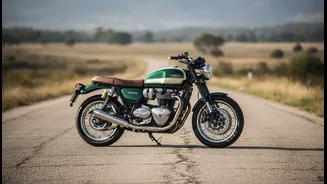
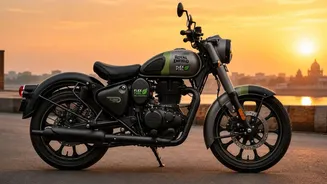
So, what is this winning formula? It's a masterful blend of old-school cool and new-school reliability. The first ingredient is timeless design: round headlamps, teardrop-shaped fuel tanks, spoked wheels, and plenty of chrome. These visual cues instantly signal 'classic'. The second is heritage. Brands like Royal Enfield, Jawa, and BSA don't just sell motorcycles; they sell their history. Slogans like Royal Enfield’s “Made Like a Gun” connect the new machine to a century-old legacy of durability. The final, crucial ingredient is modern engineering hidden in plain sight. Underneath the vintage skin lies a reliable, fuel-injected engine, anti-lock brakes (ABS), and often digital displays seamlessly integrated into analogue dials. This combination offers the romance of the past without the mechanical headaches, creating a product that is both emotionally resonant and practical for daily use.
India's Kings of the Comeback
Nowhere is this trend more dominant than in India. Royal Enfield wrote the playbook, transforming itself from a legacy manufacturer into a cultural phenomenon. The brand built a cult-like following by focusing on storytelling, community, and the emotional connection of the ride, rather than just specs. Its success paved the way for other heritage brands to be reborn. Classic Legends' revival of Jawa and Yezdi was a direct appeal to the memories of a generation who grew up with these bikes. The initial launches saw websites crash and inventory sell out, proving the immense market appetite for nostalgia. These brands aren't just competing with each other; they have collectively expanded the entire modern-classic segment, proving that a storied past is one of the most valuable assets a company can have.
The Premium on Authenticity
This brings us to the price tag. Retro motorcycles often command a premium not because they are cheaper to make, but because the customer is buying more than just metal. They are buying an identity. The price reflects the brand's story, the sense of belonging to a tribe, and the feeling of owning a piece of history. Royal Enfield successfully positioned itself in an aspirational but accessible sweet spot, more premium than mass-market commuters but more affordable than high-end imports. Now, global giants are tapping into this segment. The partnership between Bajaj and Triumph to produce the Speed 400 is a prime example. It offers the prestige and design language of a legendary British brand at a competitive Indian price point, and its impressive sales figures show just how powerful that combination is.
More Than Just a Machine
The most successful retro brands understand that the experience doesn't end when the sale is made. They foster a powerful ecosystem around their products. Royal Enfield’s Rider Mania festival and Himalayan Odyssey are not just marketing events; they are pilgrimages that forge a powerful bond between riders and the brand. This community-centric approach turns customers into passionate evangelists. The vibrant customisation scene and the market for branded apparel further deepen this connection. When someone buys a retro motorcycle, they gain access to a lifestyle and a community of like-minded individuals, making the premium price feel less like an expense and more like an investment in an experience.