

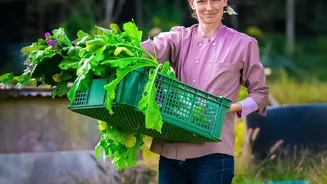
The New Flavour Frontier
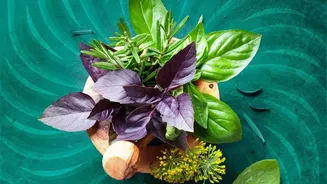
The latest wave in Indian cuisine isn't about importing exotic ingredients, but rather, rediscovering what grows right here at home. This movement centres on using 'forest ingredients'—a broad term for wild herbs, edible flowers, seasonal leaves, and
overlooked local produce that have been part of traditional and tribal diets for centuries. For many chefs, this is a way to reconnect with food at its most fundamental level, moving beyond what's available in commercial markets to understand ingredients in their natural environment. The focus is on hyper-local, seasonal items that tell a story of a specific place and time, from the coastal stretches of Maharashtra to the Himalayan belt.
From Forest Floor to Fine Dining
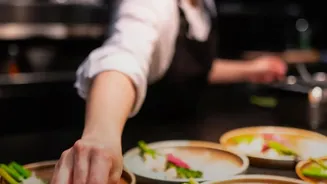
Across the country, innovative chefs are weaving these wild elements into their menus. Think of dishes elevated by the slightly bitter taste of Takla, a wild green that appears briefly during the monsoon in Maharashtra, or the unique aroma of Timur pepper from Nagaland. Edible flowers like moringa, rose, and pumpkin blossoms, once confined to regional home cooking, are now finding their way into everything from salads and teas to fritters and curries. Ingredients like foraged mushrooms, fiddlehead ferns, and mahua flowers are being celebrated for the unique textures and flavours they bring, offering diners a taste of India's immense biodiversity.
A Return to Roots and Terroir
This trend is more than just a culinary novelty; it represents a deeper philosophical shift. Foraging has been integral to indigenous cuisines in India for generations, a practice rooted in a deep connection to the seasons and local ecosystems. By championing these ingredients, chefs are not only creating exciting new dishes but also preserving precious culinary knowledge that is in danger of being forgotten. This movement brings concepts like 'farm-to-table' and 'zero-waste cooking'—long-standing principles in many tribal communities—to a wider audience. It’s a celebration of 'Indianness' in cuisine, focusing on the rich offerings of the land itself.
The Forager's Responsibility
However, as the popularity of foraged ingredients grows, so does the risk of turning it into a destructive hype. The key, as the headline suggests, is to add flavour without creating a fad that leads to over-exploitation. Experts and ethical chefs warn that sustainability must be paramount. This means understanding which plants can be harvested in abundance and which are rare, and learning what not to pick is as important as knowing what is edible. There is a crucial difference between appreciating these resources and commercialising them without a thought for the ecosystem or the communities that have depended on them for generations.
A Sustainable Path Forward
The most responsible approach involves collaboration and respect. This means building meaningful relationships with local farmers and tribal communities who possess generations of knowledge. Rather than simply taking ingredients, the goal is to create a system where these communities are credited and benefit from sharing their wisdom. Some chefs and organisations are working directly with local foragers, ensuring they only source what grows in abundance and doesn't deplete the nutrition source for local populations. Foraging, when done right, is not about taking from nature, but about participating in its cycle with knowledge and restraint, ensuring these wild flavours can be enjoyed for generations to come.