





A Symphony of Flavour
On its own, saffron has a complex profile: earthy, floral, and slightly bitter. Honey, a natural sweetener, brings its own floral or fruity notes depending on its origin. The magic of the pairing lies in this balance. The sweetness of honey mellows saffron's
subtle bitterness, which comes from a compound called picrocrocin. In return, saffron lends its luxurious aroma and stunning golden colour, creating a multi-sensory experience. Honey acts as a perfect carrier, its viscosity helping to distribute the saffron's delicate flavour evenly throughout a dish, whether it's a warm drink or a complex dessert. This slow infusion creates a harmony where neither ingredient overpowers the other.
A Golden Touch in Rice and Desserts
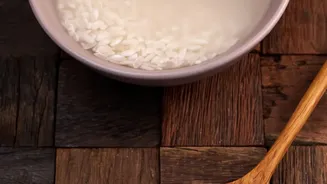
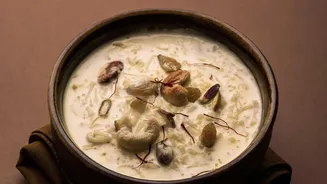
In culinary applications, the saffron-honey pairing elevates both sweet and savoury dishes. In Indian cuisine, a touch of saffron-infused honey can add a subtle sweetness and deep aroma to rice dishes like biryani or pulao. Desserts are where the combination truly shines. Indian rice pudding, or kheer, is often flavoured with saffron and cardamom, with honey serving as a natural sweetener that complements the fragrant spices. In Persian sweets like Sohan, a type of brittle, saffron and honey are key ingredients that create a rich, aromatic confection. A simple drizzle over yoghurt or a saffron-honey glaze on a cake can transform a simple treat into something special.
Warm Comfort in a Cup
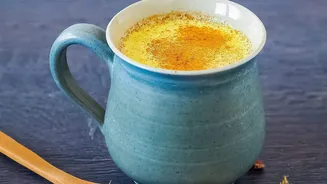
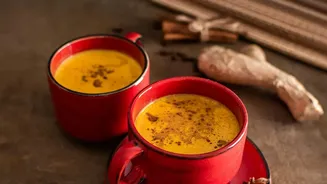
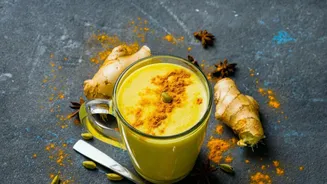
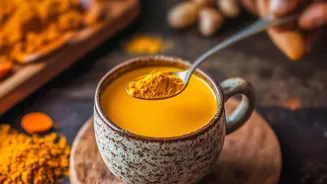
There are few things as comforting as a warm, fragrant drink, and the addition of saffron and honey makes it even more so. Saffron-infused milk, or Kesar Doodh, is a traditional Indian beverage enjoyed for its soothing qualities, often sweetened with honey. The combination is also popular in herbal teas, where the duo adds flavour, aroma, and a touch of sweetness without refined sugar. The practice of adding saffron and honey to warm drinks is valued not just for the taste, but for the comforting and relaxing experience it provides, making it a popular ritual before bedtime.
The Wellness Halo: Acknowledging Tradition
Both saffron and honey have deep roots in traditional medicine, particularly Ayurveda. In Ayurvedic practice, honey is known as a 'yogavahi,' a substance that helps carry the properties of herbs deeper into the body's tissues. Saffron, or 'Kumkuma,' is considered a 'sattvic' herb that can uplift mood and promote clarity. Traditionally, the combination has been used as a home remedy to soothe sore throats, calm coughs, and support digestion. These uses are based on centuries of observation and cultural practice, where the ingredients are valued for supporting general well-being.
Why 'Therapeutic' is the Wrong Word
This is where the distinction becomes critical. While both ingredients have beneficial properties backed by some modern studies—saffron for its mood-lifting potential and antioxidant content, and honey for its antimicrobial qualities—framing the pairing as 'therapeutic' is a step too far. A therapeutic claim implies a product can treat or cure a specific disease, a standard that requires rigorous scientific validation which this combination lacks. Many sources promoting saffron and honey do so as a general wellness aid, not a medical treatment. Relying on it as a substitute for professional medical advice or prescribed medication for any condition, from depression to heart disease, would be irresponsible and potentially dangerous. Enjoying saffron honey in moderation as part of a balanced diet is one thing; using it as a primary treatment is another entirely.