







The Old Problems: A Familiar Taste
For years, the experience of eating on a long-distance train has been a mixed bag. Complaints about cold food, questionable hygiene in pantry cars, and unauthorised vendors selling unverified snacks have been common. The sheer scale of Indian Railways,
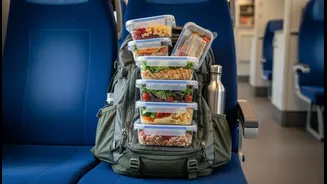
which served approximately 60 crore meals in 2025-26, makes ensuring consistent quality a monumental task. Concerns have ranged from the cleanliness of preparation areas to the quality of raw materials used. The Food Safety and Standards Authority of India (FSSAI) has previously highlighted issues, including the unhygienic practice of stacking food packets near lavatories inside coaches. These long-standing problems have made many passengers wary, often opting to carry their own food for long journeys.
The Game Changer: AI and QR Codes
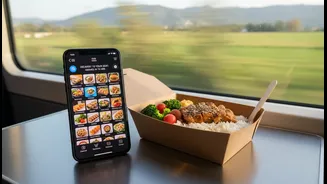
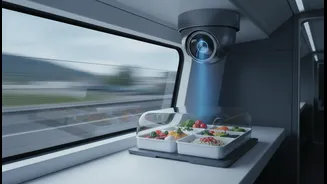
Indian Railways is now rolling out significant technological upgrades to tackle these issues head-on. In a major move, IRCTC has deployed an Artificial Intelligence (AI) powered surveillance system in over 800 of its base kitchens across the country. These systems use thousands of cameras to monitor food preparation in real-time, automatically flagging hygiene violations like staff not wearing hairnets or gloves, improper cleaning, and even the presence of pests like cockroaches or rodents. When the AI detects a problem, it sends an alert to the kitchen manager and escalates it if not resolved quickly. Furthermore, IRCTC has introduced QR codes on food packets. Scanning these codes reveals crucial details like the name of the kitchen where the food was prepared and the date of packaging, bringing unprecedented transparency and helping to curb the sale of unauthorised or expired meals.
More Choices, New Responsibilities: E-Catering
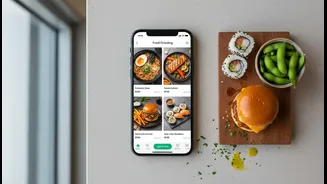
Beyond the pantry car, the rise of e-catering has revolutionised meal options for passengers. Services allow travellers to order food from a wide variety of restaurants at upcoming stations through apps and websites. This provides greater choice, including regional specialities and options for different dietary needs. However, this convenience comes with its own set of considerations. While IRCTC partners with approved, FSSAI-certified vendors, the ultimate responsibility for hygiene also lies with the individual restaurants. Passengers should opt for well-rated and trusted eateries available on the platform. The introduction of e-catering diversifies the food landscape but also requires passengers to be more discerning consumers.
Your On-the-Go Food Safety Guide
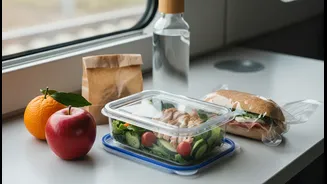
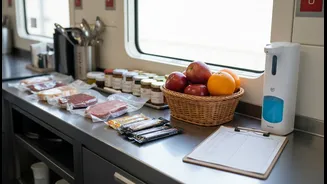
While the system is improving, passengers still play a vital role in ensuring their own food safety. Here are some practical tips for your next journey: Trust Your Eyes and Nose: If a meal looks or smells off, do not eat it. Check that packaging is properly sealed and not tampered with. Hot is Best: Heat kills many harmful germs. Always opt for freshly cooked, hot meals over food that has been sitting at room temperature. Carry Basics: Pack some non-perishable items like biscuits, fruit with peels (like bananas and oranges), and packaged snacks as a backup. Stay Hydrated Safely: Only drink bottled water and ensure the seal is intact before you buy or drink it. Avoid ice in drinks. * Wash Your Hands: This is the golden rule. Use soap and water or a hand sanitiser before eating.
Know Your Rights: How to Make Your Voice Heard
If you do encounter substandard food, it's more important than ever to report it. Indian Railways has streamlined the complaint process. The most effective tool is the 'RailMadad' app or website (railmadad.indianrailways.gov.in), where you can file a complaint related to catering services by providing your PNR number. You can also call the integrated helpline number 139 for food-related grievances. Some sources also mention a dedicated toll-free number for food complaints, 1800-111-321. Lodging a complaint not only helps in getting a resolution for your issue but also provides valuable data that helps IRCTC identify and penalise errant vendors, contributing to systemic improvements.