



A Resurgence of the Newcomer
The latest figures from India's largest carmaker are more than just a corporate milestone; they're a barometer for the nation's economic mood. The announcement that 54% of Maruti Suzuki's passenger vehicle sales between April and August 2026 were to first-time
buyers marks a significant comeback for this crucial demographic. This represents a major leap from the 42% recorded in the same period last year, signalling the biggest revival of new entrants to the car market since before the pandemic. This surge suggests that after a period of cautious spending, a growing number of Indian households are now confident enough to make their first major vehicle purchase, a decision that has wide-ranging implications for the industry and the economy at large.
The Engine Behind the Growth: Affordability
A key catalyst for this trend has been a change in government policy. A reduction in the Goods and Services Tax (GST) on vehicles under four meters, from 28% to 18%, has made entry-level cars significantly more affordable. This tax rationalisation, dubbed 'GST 2.0' by some in the industry, has directly enabled the return of the first-time buyer, according to Maruti Suzuki's senior leadership. The impact is clear in the sales data: Maruti's mini-car segment, including the Alto and S-Presso, saw a 96% sales jump in the April to August period. This improved affordability, coupled with more accessible financing options, has transformed car ownership from a distant dream into a tangible reality for a larger segment of the population.
The Models Capturing the Market
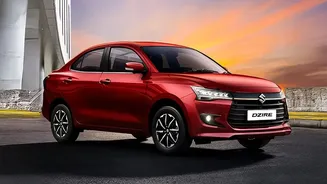
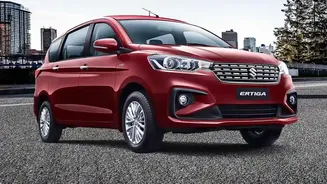
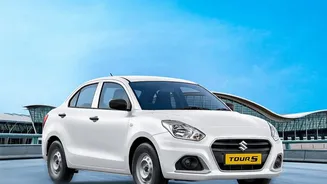
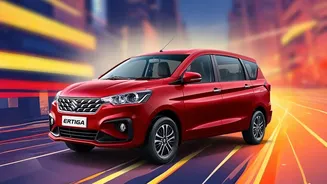
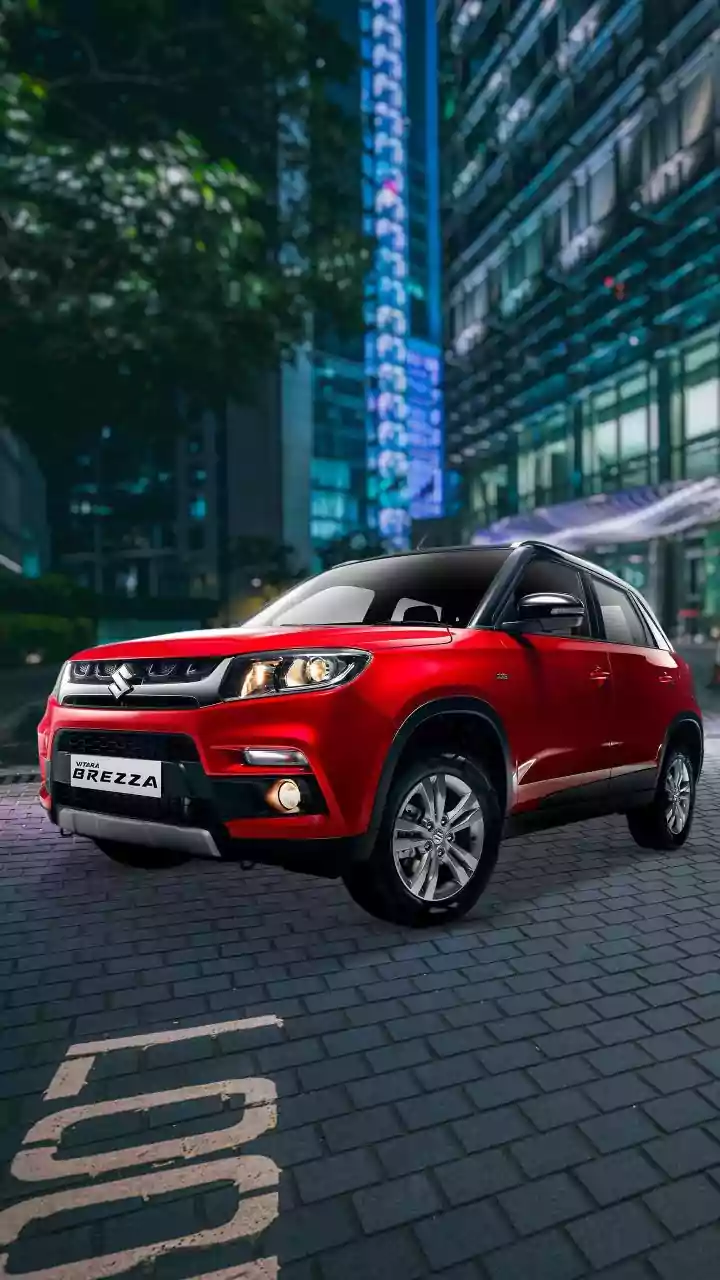
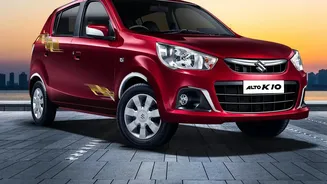
Maruti's dominance in this segment is built on a portfolio of vehicles perfectly tailored to the needs of a first-time owner. Models like the Alto K10, WagonR, and Swift are perennial favourites, known for their fuel efficiency, low maintenance costs, and the brand's extensive service network. The Alto remains the quintessential budget entry point, while the WagonR's spacious design appeals to urban families. The Swift offers a blend of style and performance that attracts younger buyers. These hatchbacks consistently feature in the top-selling car lists, proving that while SUVs continue to gain market share, the demand for practical, affordable, and reliable small cars remains the bedrock of the Indian auto industry.
A Strategic Win for Maruti
Attracting a first-time buyer is one of the most significant achievements for any car brand. It not only secures a sale but also builds a foundation for future loyalty. A positive first ownership experience often leads to subsequent purchases within the same brand. Maruti's success is also amplified by its deep penetration into rural and semi-urban markets, which are showing faster growth in car sales than saturated metro areas. As rural incomes rise and aspirations grow, Maruti's reputation for reliability and value makes it the default choice for many. This strong showing among new buyers solidifies its market leadership and creates a powerful, long-term customer pipeline.
The Broader Market Response
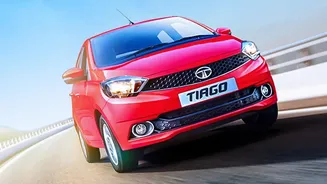
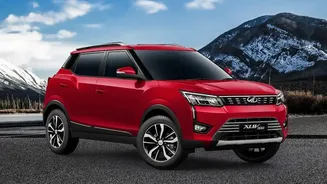
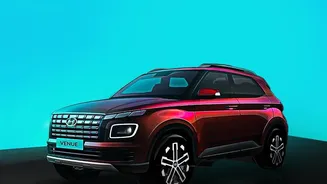
Maruti Suzuki is not alone in observing this trend. Competitors like Tata Motors and Mahindra & Mahindra have also reported a notable increase in sales to first-time buyers. Tata has seen a 6-7% rise in this segment over the past year, while Mahindra's entry-level SUVs experienced 20% year-on-year growth in the first five months of the fiscal year. This indicates a market-wide phenomenon where the desire for personal mobility is strong. While Maruti leads in the entry-level hatchback space, competitors are finding success with compact SUVs like the Tata Punch, which also benefits from the lower GST slab and appeals to buyers looking for modern styling and features.