



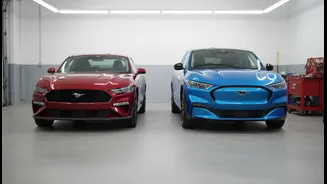


Mustangs Sidelined by Wiper Defect
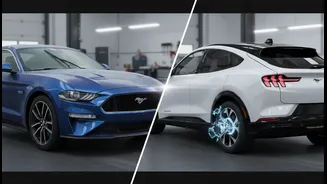
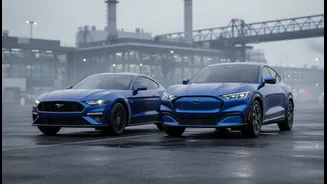
The larger of the two new campaigns affects 67,842 gas-powered Ford Mustangs from the 2024 to 2026 model years. According to documents filed with the National Highway Traffic Safety Administration (NHTSA), the windshield wiper motor can fail in temperatures
at or below freezing. This can cause the wipers to operate only on their highest setting or not at all, posing a significant visibility risk in poor weather. The recall also includes the high-performance 2025-2026 Mustang GTD models. Ford has stated that dealers will inspect and replace the wiper motor free of charge, with owner notification letters expected to be mailed in July 2026.
Electric Mach-E Faces Drivetrain Risk
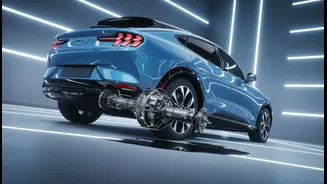
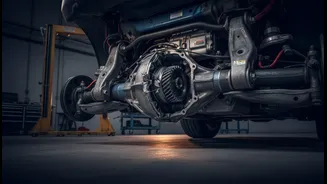
The second recall targets 42,784 Mustang Mach-E electric SUVs from the 2021 to 2023 model years. This issue is more severe, involving a rear differential pinion shaft that can bend or fracture. A failure of this component could lead to a sudden loss of driving power or, if the parking brake is not engaged, cause the vehicle to roll away while in park. While Ford noted it is not aware of any accidents or injuries related to this defect, it has received dozens of warranty claims. The root cause is still under investigation, and while a remedy is being developed, owners will receive initial notifications in mid-July.
A Familiar and Frustrating Pattern
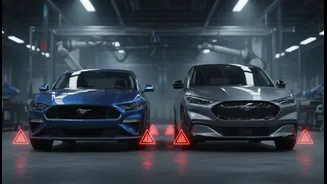
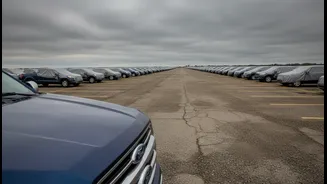
These latest recalls are far from isolated incidents. They add to what is already a difficult year for Ford, which has issued more than 50 recalls in 2026, significantly more than any other automaker. This continues a trend that has seen Ford lead the industry in recalls for several years, creating a persistent headache for the company and its customers. Just a week prior to the Mustang recalls, Ford recalled over 741,000 trucks and SUVs, including the F-150 and Explorer, for a transmission issue that could lead to rollaway incidents. This pattern of frequent and widespread recalls directly contradicts the company's public mission to overhaul its quality control systems.
The High Cost of Falling Short
The constant stream of recalls carries a massive financial and reputational cost. Warranty expenses have cost Ford billions, directly impacting its bottom line. CEO Jim Farley has repeatedly identified improving quality as his top priority, acknowledging that little else matters until the issue is fixed. Paradoxically, the company has also seen some positive signs. J.D. Power recently named Ford the top mass-market brand in its 2026 U.S. Initial Quality Study, which tracks problems reported in the first 90 days of ownership. This suggests that while new vehicles may be performing better out of the gate, long-term reliability and manufacturing defects continue to undermine progress. For customers, this mixed messaging can be confusing, pitting positive initial experiences against the anxiety of potential safety recalls.