




The Perfect Fasting Food
Navratri fasting involves abstaining from grains like wheat and rice, lentils, onions, garlic, and regular table salt. The focus shifts to a 'sattvic' diet of light, pure foods that are easy to digest. Sweet potato, or shakarkandi, fits these rules perfectly.
As a root vegetable, it is not a grain and is widely permitted during 'vrat' or fasts. It provides a hearty and satisfying base for a meal, ensuring that fasting doesn't have to mean feeling deprived. Traditionally, foods like potatoes, sweet potatoes, and certain flours like buckwheat (kuttu) form the backbone of Navratri meals, and shakarkandi is a beloved staple.
A Powerhouse of Nutrition
Fasting can often leave you feeling low on energy. Sweet potatoes are an excellent source of complex carbohydrates, which provide sustained energy release, unlike the quick spike and crash from simple sugars. This makes them ideal for keeping you active and engaged throughout the day. They are also packed with essential nutrients. Sweet potatoes are incredibly rich in Vitamin A, a powerful antioxidant, as well as Vitamin C and manganese. Furthermore, they are a great source of dietary fibre, which aids digestion and promotes gut health—an important consideration when your eating patterns change during a fast.
The Joy of Chaat
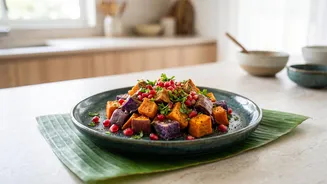
What makes this dish truly special is its transformation into a 'chaat'. The term itself evokes a burst of tangy, spicy, and sweet flavours that delight the palate. Even during a fast, you can create this experience using permitted ingredients. The sweetness of the roasted or boiled sweet potato pairs beautifully with the tang of lemon juice, the kick of finely chopped green chillies, and the essential seasoning of 'sendha namak' or rock salt, which is used in place of regular salt during Navratri. This simple combination turns a humble vegetable into a festive treat that feels indulgent and exciting.
Simple Steps to a Delicious Chaat
Creating sweet potato chaat is incredibly simple, requiring minimal time and effort. Start by boiling or roasting two to three medium sweet potatoes until they are tender. Once they cool down, peel and chop them into bite-sized cubes. In a mixing bowl, gently combine the sweet potato cubes with a tablespoon of lemon juice, sendha namak to taste, and a pinch of black pepper powder. For extra flavour and texture, you can add about two tablespoons of roasted and lightly crushed peanuts. Some recipes also incorporate a simple chutney made with vrat-friendly ingredients for an added layer of flavour. The key is to toss everything together gently to avoid mashing the tender sweet potato.
Customize Your Creation
The beauty of shakarkandi chaat lies in its versatility. While the basic recipe is delicious on its own, it serves as a wonderful canvas for other vrat-friendly additions. A sprinkle of bright red pomegranate seeds adds a juicy crunch and a pop of colour, making the dish visually appealing. Freshly chopped coriander leaves can introduce a fresh, herbaceous note. For those who enjoy a bit more heat, the amount of green chilli can be adjusted. Some variations even include a dollop of fresh curd (dahi) to add a creamy, cooling element that balances the spices. Feel free to experiment with permitted ingredients to create a chaat that perfectly suits your taste.