





The Deceptive Demands of Tai Chi
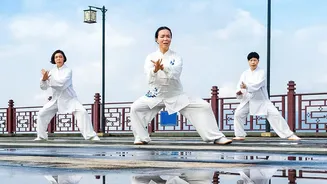
Often described as 'meditation in motion', Tai Chi is misunderstood as a simple, gentle exercise. While it is low-impact, its slow and deliberate movements require a tremendous degree of control and body awareness. Progress hinges on the ability to move joints
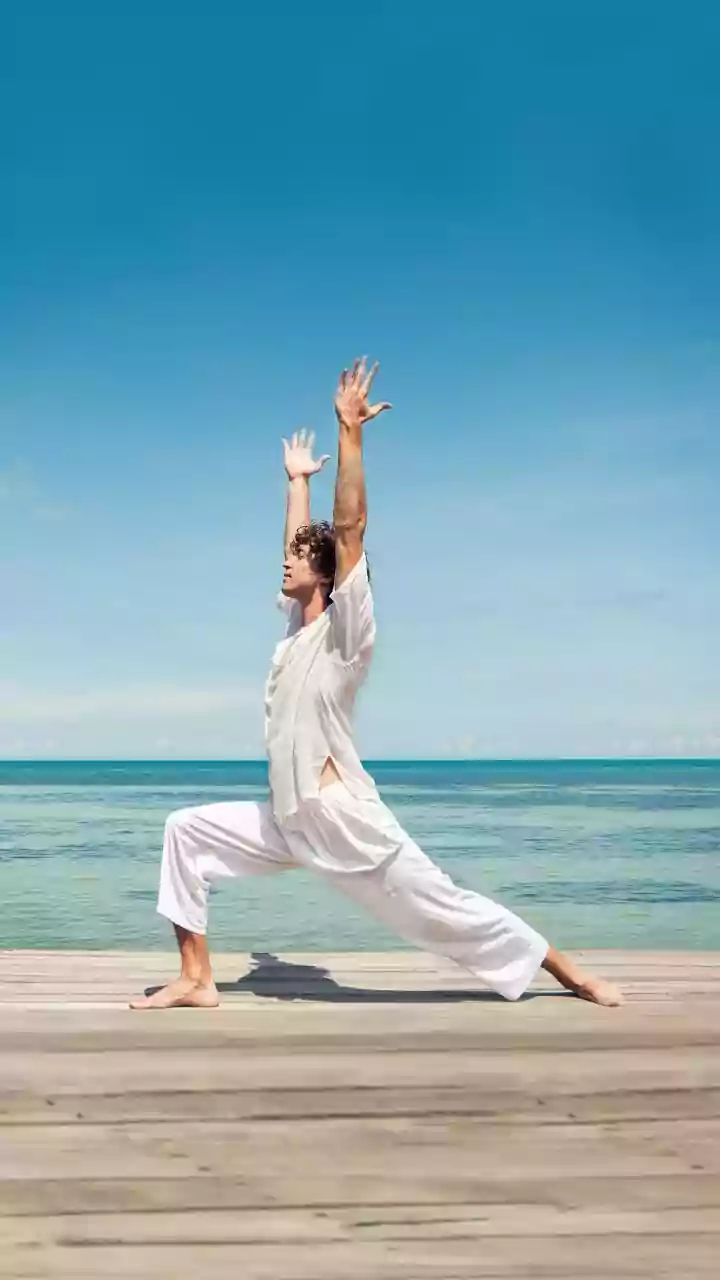
through their full range of motion. Key to this is hip mobility. Practitioners must be able to sink into low stances and shift weight completely from one leg to another, all while keeping the spine upright. This requires significant flexibility and control in the hip sockets, ankles, and spine. Without this mobility, a practitioner will compensate by leaning their torso or failing to achieve a stable, rooted stance, which stalls progress and prevents the cultivation of internal energy, or 'Qi'. The slow, circular motions are designed to lubricate joints and improve flexibility, but you can only go as far as your current range of motion allows.
Kayaking: More Than Arm Power
Beginner kayakers often make the same mistake: they try to power the boat with their arms. This leads to rapid fatigue and potential shoulder injuries. Experienced paddlers know the secret to efficient and powerful kayaking lies in the core. Every paddle stroke is a rotational movement that starts from the feet, travels through the legs and hips, and twists the torso. This is where mobility becomes critical. To generate this rotational force, a paddler needs a mobile thoracic spine (the upper and mid-back) and flexible hips. A stiff upper back prevents proper torso rotation, forcing the smaller shoulder and arm muscles to do all the work. Similarly, tight hip flexors—common in people who sit for long periods—can make it uncomfortable to sit properly in the kayak and restrict the rotational power that comes from the lower body. Your ability to progress from splashing inefficiently to gliding powerfully across the water is directly linked to your body's rotational mobility.
The Unifying Principle of Movement
Here is where these two distinct activities connect. Mobility is the ability to move a joint through its full range of motion with control. It is different from flexibility, which is simply the passive length of a muscle. In both Tai Chi and kayaking, mobility is the foundation upon which skill is built. A lack of mobility in one area forces the body to compensate elsewhere, leading to inefficient movement and a higher risk of injury. The hip rotation required to shift weight smoothly in a Tai Chi form is biomechanically related to the hip rotation needed to drive a kayak forward. The controlled, upright posture in Tai Chi trains the same core stability needed to balance in a kayak. Both disciplines teach that power and grace come not from brute force, but from using the body as an integrated system. Your progress is ultimately determined by how well you can access and control your own range of motion, whether holding a posture or a paddle.
How to Assess Your Own Foundation
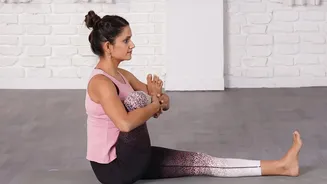
Understanding this principle can reframe how you approach physical activity. Rather than focusing solely on strength, consider your mobility. Can you sit comfortably in a deep squat? This reflects hip, knee, and ankle mobility. Can you rotate your upper body without moving your hips? This indicates thoracic spine mobility. Simple movements like cat-cow stretches or 'thread the needle' can begin to improve spinal rotation, which is beneficial for both activities. Gentle hip circles can improve the range of motion in the hip sockets. The goal isn't extreme flexibility, but creating a usable and controlled range of movement. Improving your foundational mobility will not only reduce your risk of injury but will also unlock your potential for progress in any physical pursuit you choose.