





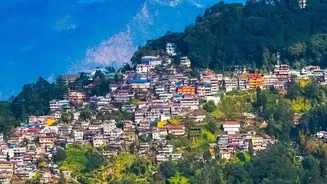
The Himalayas are warming faster than the global average, increasing the risk of devastating floods. A growing body of research now highlights how a complex chain of events, from avalanches to collapsing slopes, makes these disasters worse.
A Chain Reaction of Risk
Recent studies
underscore a critical reality in the Indian Himalayas: disasters are rarely a single event. The region is increasingly seeing 'cascading hazards', where one event triggers another. For instance, an ice-rock avalanche high in the mountains can crash into a river, temporarily damming it. When this natural dam breaks, it releases a catastrophic flood wave downstream, far more destructive than a typical rainfall-induced flood. This dangerous chain reaction was seen in the 2021 Chamoli disaster in Uttarakhand, where a massive rock and ice avalanche transformed into a debris flow that killed over 200 people and destroyed critical infrastructure. Scientists stress that understanding these interconnected risks is vital for protecting downstream communities.
Unstable Slopes and Growing Lakes
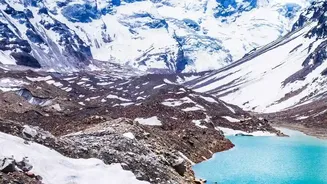
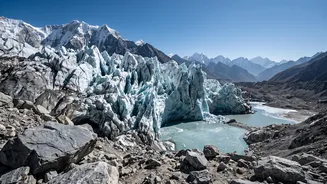
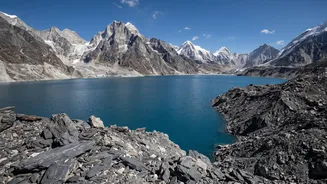
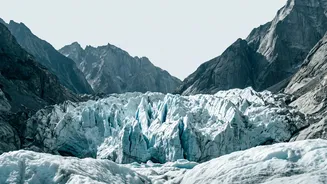
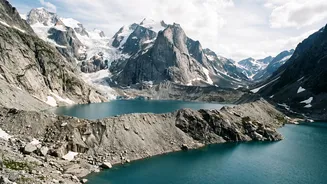
Climate change is a key driver of this instability. As glaciers retreat at an accelerating pace, they leave behind unstable slopes and expanding glacial lakes. A study on the Kashmir Himalaya found that ice-contact proglacial lakes grew by 26% between 1992 and 2024. These lakes, often held back only by loose walls of debris called moraines, pose a significant threat. An event like a landslide, a rockfall, or even heavy rain can cause these natural dams to fail, leading to a Glacial Lake Outburst Flood (GLOF). Research shows that thousands of such lakes exist across the Himalayas, with many deemed potentially dangerous. India, in particular, has suffered greatly, recording the highest number of deaths from GLOFs in the Hindu Kush Himalaya region despite not having the highest number of events.
The Avalanche Threat
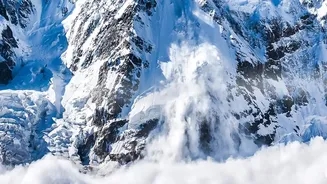
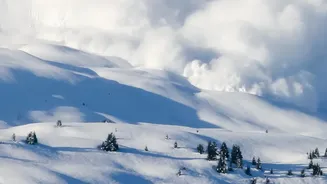
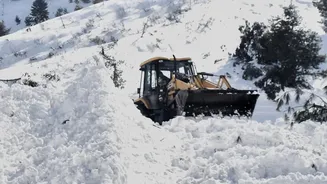
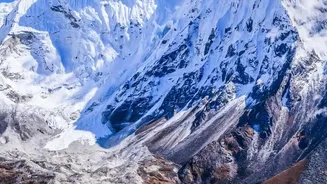
Avalanches—whether of snow, ice, or rock—are a primary trigger for these cascading disasters. One study noted that ice avalanches were the main cause in 50% of recorded GLOF events. As warming temperatures weaken the ice that holds mountain slopes together, the risk of massive collapses grows. These avalanches can travel for kilometres at incredible speeds, gathering debris and water along the way. A 2026 flood in Nepal, for example, started with a high-altitude glacier collapse that covered 22 kilometres in just seven minutes, leaving almost no time for warning. This highlights the unique danger posed by these events, which can originate in remote, unmonitored areas and cause devastation far downstream.
The Crucial Role of Early Warning Systems
Given the rapid onset of these disasters, effective Early Warning Systems (EWS) are no longer optional—they are a lifeline. An EWS is more than just technology; it's an integrated system that involves monitoring potential hazards, forecasting their development, and communicating timely alerts to vulnerable communities. For the Himalayas, this means deploying networks of sensors to monitor glacial lakes, slope stability, and seismic activity, then using this data to predict potential failures. The Indian government, through agencies like the Central Water Commission and the Geological Survey of India, has initiated several forecasting systems for floods and landslides. However, significant challenges remain.
Challenges and the Path Forward
Implementing a comprehensive EWS in the Himalayas is a monumental task. The rugged terrain, high altitudes, and lack of connectivity in many areas make installing and maintaining sensor networks difficult. Another major hurdle is ensuring 'last-mile connectivity'—getting the warning to remote villages that may lack reliable mobile networks. Experts also point to the need for community involvement; local populations must be trained to understand the alerts and act on them. Furthermore, since many Himalayan rivers cross international borders, transboundary cooperation and data sharing are essential for effective disaster management. The focus is shifting from post-disaster relief to prendisaster preparedness, combining technology like AI driven models with community led monitoring to build a more resilient future for the region.