


Pilates: Building the 'Powerhouse'
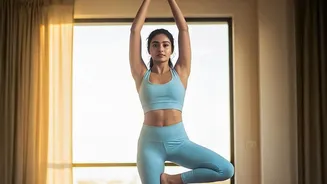
In the world of Pilates, all movement originates from the 'powerhouse'. This term, coined by founder Joseph Pilates, refers to the group of muscles that form a supportive corset around your trunk: the abdominals, lower back, hips, and pelvic floor. The
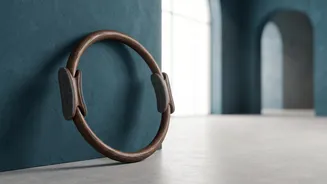
primary goal is to create a strong, stable centre from which you can move with efficiency and control. Pilates exercises are known for their precision and focus on engaging deep core muscles that are often overlooked in traditional workouts. Movements like pelvic tilts, leg circles, and planks are performed in a controlled manner, training these muscles to work together to support the spine. This method is less about high-repetition workouts and more about the quality of each movement, ensuring the core is constantly engaged to maintain proper alignment and stability. The result is not just a toned midsection, but a functionally strong core that improves posture and can reduce the risk of injury.
Tai Chi: Cultivating the 'Dan Tian'
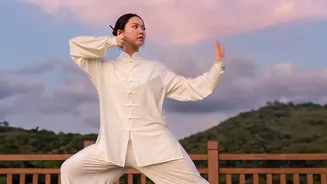
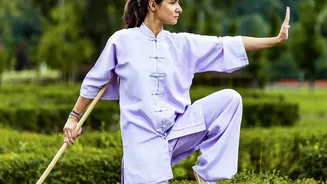
Tai Chi takes a different, more philosophical approach to the body's centre. Rooted in ancient Chinese martial arts and Taoist principles, Tai Chi focuses on the 'Dan Tian', an area in the lower abdomen considered the body's centre of vital energy, or 'qi'. Unlike the muscular focus of the Pilates powerhouse, the Dan Tian is seen as an energy hub. Core engagement in Tai Chi is not about isolating and contracting abdominal muscles, but about initiating all movement from this central point. The practice involves slow, continuous, and flowing sequences. As you shift your weight and move through these forms, you learn to coordinate your entire body as a single, integrated unit, with the Dan Tian guiding the motion. This develops core strength in a holistic way, focusing on stability and balance while in motion, rather than holding a static, braced position. It's a gentle approach that massages the internal organs and promotes relaxation even while the core is actively engaged.
Body Awareness Through Precision
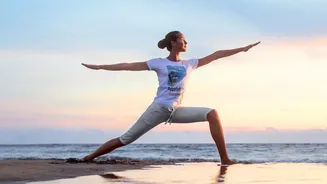
Pilates is exceptional at developing proprioception—your body's internal GPS that tells you where your limbs are in space without you having to look. The method achieves this through its emphasis on controlled, precise movements and correct alignment. Each exercise demands intense concentration, forcing you to become acutely aware of your posture and how your body feels. By slowing down movements, Pilates creates a feedback loop between your brain and muscles, sharpening your internal sense of coordination. This heightened awareness helps correct muscle imbalances and poor postural habits. For instance, exercises that challenge you to work one side of the body independently prevent your dominant side from taking over, building more symmetrical strength and control. This meticulous focus on form translates directly into better balance, coordination, and more graceful, efficient movement in everyday life.
Awareness Through Flowing Motion
Tai Chi is often called 'meditation in motion' for good reason. It enhances body awareness through its slow, deliberate, and continuous flow of movements. This gentle pace gives your brain time to process sensory feedback from your muscles and joints, which is crucial for improving proprioception. As you move through the choreographed forms, you are encouraged to maintain a mindful focus on your breath, the shift of your weight, and the position of each body part. This practice trains your sensory nerves and improves your ability to make subtle adjustments to maintain balance and posture. Studies have shown that regular Tai Chi practice significantly improves postural control and reduces the risk of falls, particularly in older adults, by refining this internal sense of body position. The awareness gained is less about anatomical precision and more about a holistic feeling of connection, balance, and energy flow throughout the entire body.
Which Practice Is Right for You?
The choice between Pilates and Tai Chi ultimately depends on your personal fitness goals and what kind of experience you are seeking. If your primary goal is to build significant core strength, improve posture, and develop precise muscle control, Pilates is an excellent choice. It is highly effective for rehabilitation, correcting muscular imbalances, and creating a strong, stable foundation for other physical activities. On the other hand, if you are looking for a gentler form of exercise that reduces stress, improves balance, and promotes a meditative sense of well-being, Tai Chi may be a better fit. Its focus on flowing movement makes it particularly beneficial for those with joint stiffness or who prefer a less strenuous workout that still offers profound benefits for both body and mind.