






A Prince's Desperate Gamble
Monaco's status as a tax haven isn't a modern invention but a 19th-century survival strategy. In the mid-1800s, the principality was facing bankruptcy. It had lost its two most productive towns, Menton and Roquebrune, which contained most of its agricultural
land and revenue sources from citrus and olive groves. In a desperate bid to create a new economic model, the ruler, Prince Charles III, made a bold decision. He looked to the trend of high-stakes gambling, which was banned in many neighbouring countries, and established the now-famous Monte Carlo Casino in 1865. The casino was an immediate and staggering success, attracting wealthy aristocrats and tourists from across Europe. The profits were so immense that by 1869, Prince Charles III was able to abolish all personal, land, and property taxes for his subjects, a move designed to attract even more affluent residents and their capital.
How the State Pays its Bills
If residents don't pay income tax, how does Monaco fund its public services, infrastructure, and famously high standard of living? The answer lies in a diversified, indirect taxation model. The single largest source of government revenue is the Value Added Tax (VAT), which is levied at the same rate as in France (currently a standard rate of 20%). This tax on consumption and services provides more than half of the state's budget. The second major pillar is a tax on corporate profits. While many companies are exempt, businesses that generate more than 25% of their turnover outside of Monaco are subject to a profits tax. Other significant revenue streams include taxes on real estate transactions, state-owned monopolies like tobacco and postal services, and, of course, income from the casino, which now contributes a smaller but still significant portion of state funds. This system has proven so effective that the principality is one of the few states in the world with no public debt.
The Fine Print: It’s Not for Everyone
The dream of a tax-free life in Monaco comes with several significant catches. Firstly, the zero-income-tax rule does not apply to everyone. French citizens who move to Monaco are generally still subject to French income tax, a rule established by a 1963 treaty designed to prevent French taxpayers from easily evading their obligations. Secondly, becoming a resident is a challenging and expensive process. Aspiring residents must prove they have sufficient financial means to support themselves, which often involves depositing a substantial sum (typically at least €500,000) in a local bank. They must also secure accommodation, a daunting task in one of the world's most expensive real estate markets. Furthermore, maintaining residency requires spending at least half the year in the principality. Citizenship is even more elusive, requiring a minimum of 10 years of residency after the age of 18, with the final decision resting solely with the Sovereign Prince.
A Unique Model Built on Scarcity
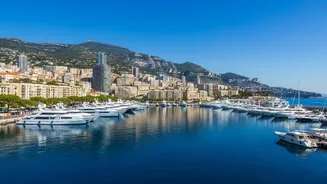
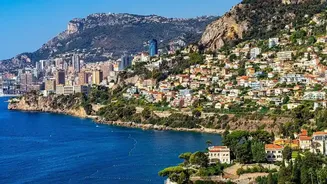
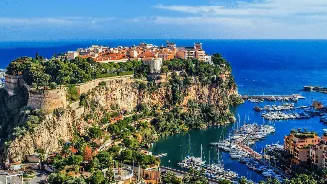
Monaco's economic model is a unique product of its history and geography. At just over two square kilometres, it is the second smallest country in the world. This scarcity of land fuels its incredibly high property values, creating a natural barrier to entry that ensures its residents are overwhelmingly wealthy. The political stability, high level of security, and luxurious lifestyle are all part of the package that attracts a global elite. The government has actively diversified its economy beyond just gambling and finance, now boasting strong sectors in services, trade, and small, high-value industries. This careful management has allowed the principality to maintain its tax-free promise to residents for over 150 years, creating a self-perpetuating cycle of attracting wealth which in turn funds the state without needing to tax personal income.