




The Protein Puzzle
Protein is essential for muscle repair, immune function, and overall energy. While many associate protein with meat, a well-planned vegetarian diet can easily meet your needs. The key is variety. Indian diets, often reliant on cereals, can sometimes fall
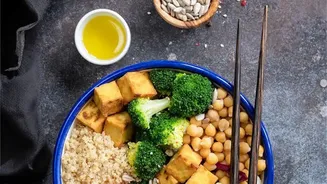
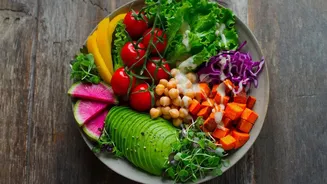
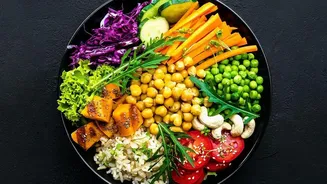
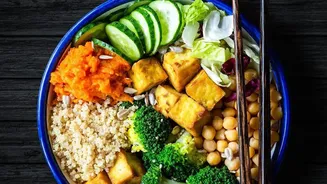
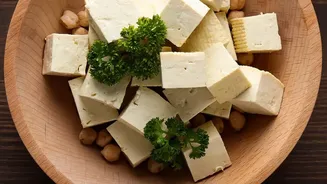
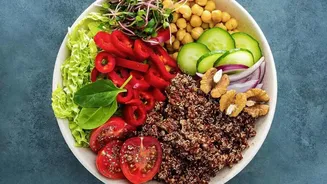
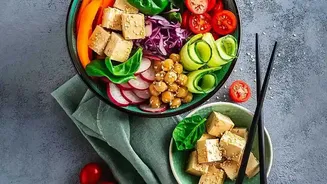
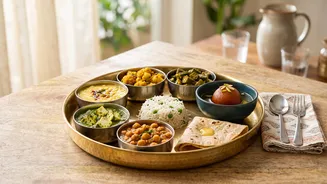
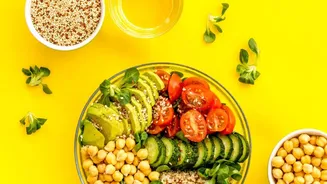
short. To avoid this, make a conscious effort to include high-protein plant foods in every meal. Lentils (dal), chickpeas (chana), kidney beans (rajma), and tofu or paneer are excellent choices. Combining different sources, like having rice with dal or a roti with a bean curry, helps ensure you get a complete range of amino acids your body needs to function optimally. Nuts and seeds also provide a significant protein boost, making them a perfect snack or addition to salads and yogurts.
The Iron Imperative
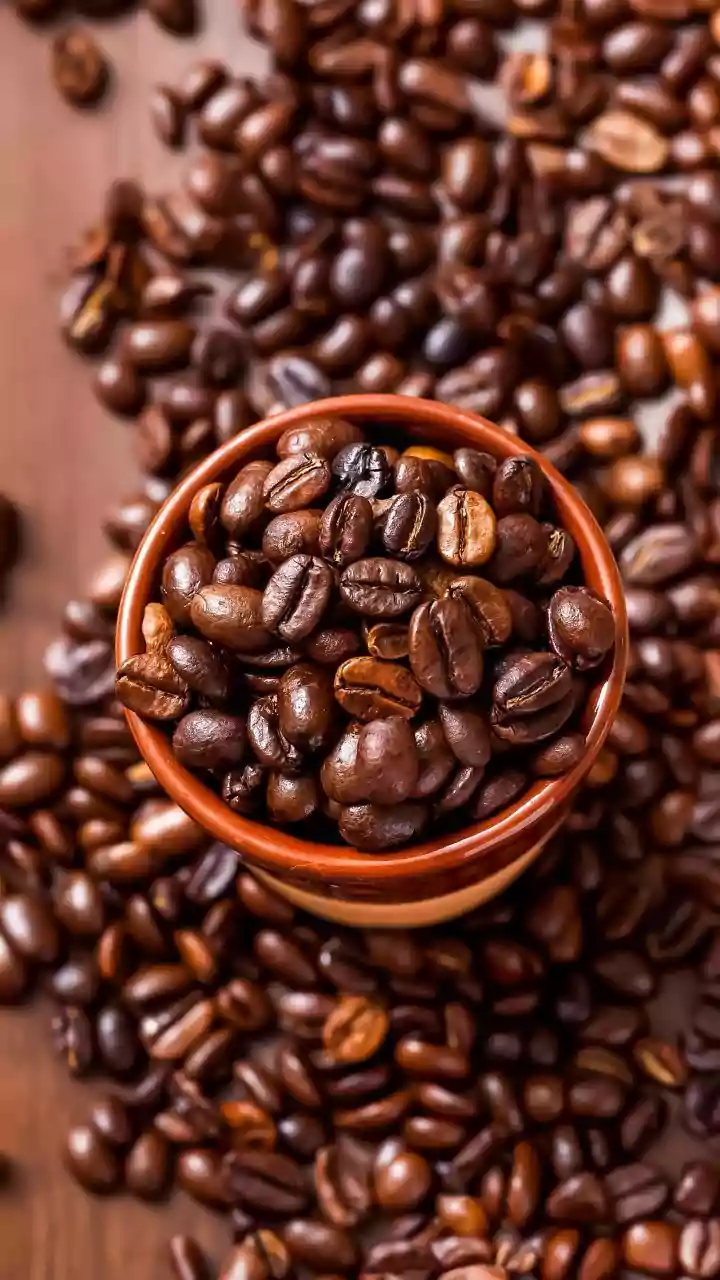
Iron is vital for transporting oxygen in your blood, and a deficiency can lead to fatigue and weakness. There are two types of iron: heme (from animal sources) and non-heme (from plant sources). Non-heme iron is less easily absorbed by the body. This means vegetarians need to be strategic. Excellent plant-based sources include lentils, soybeans, tofu, spinach, and cashews. To significantly boost absorption, pair these iron-rich foods with a source of Vitamin C. For example, squeeze lemon juice over your dal, have a side of amla, or enjoy a citrus fruit after a meal. Conversely, it's wise to avoid drinking tea or coffee with meals, as tannins can hinder iron absorption.
The Vitamin B12 Challenge
Vitamin B12 is arguably the trickiest nutrient for vegetarians, and especially vegans, to obtain. It is naturally found almost exclusively in animal products and is essential for nerve function and the formation of red blood cells. Plant foods like sea vegetables and fermented soy are sometimes cited as sources, but they often contain an inactive form of B12 and are not considered reliable. For lacto-vegetarians, dairy products like milk, yogurt, and cheese are good sources. Eggs are also an excellent option. For everyone, fortified foods are a key strategy. Look for fortified cereals, plant-based milks (like soy or almond milk), and nutritional yeast, checking the label for B12 content.
Calcium and Vitamin D: The Bone-Building Duo
Calcium is famous for its role in bone health, but it works in partnership with Vitamin D, which helps the body absorb it. Despite India's abundant sunshine, Vitamin D deficiency is surprisingly common due to indoor lifestyles. Dairy products like milk, curd, and paneer are excellent calcium sources for lacto-vegetarians. For those avoiding dairy, fortified plant milks are a great alternative. Other plant-based calcium sources include leafy greens, almonds, and sesame seeds. For Vitamin D, your best source is sensible sun exposure. Food sources are limited, but options include fortified milk, fortified tofu, and certain mushrooms that have been exposed to UV light.
Sourcing Your Omega-3s
Omega-3 fatty acids are crucial for brain and heart health. While fatty fish are the most well-known source, vegetarians can get their fill from plant-based foods. The primary plant-based omega-3 is ALA (alpha-linolenic acid), which your body can convert into the other forms, EPA and DHA, though the conversion rate can be low. Excellent sources of ALA include flaxseeds (alsi), chia seeds, walnuts, and hemp seeds. Incorporating a tablespoon of ground flaxseed into your oatmeal, smoothie, or yogurt is an easy way to meet your daily needs. Seaweed and algae are unique plant sources as they contain both EPA and DHA directly, making them a valuable addition.