






The Critical Cool-Down
The moment your sauce is finished cooking, it enters the “temperature danger zone.” This is the range between 40°F (4°C) and 140°F (60°C), where bacteria can multiply rapidly. Leaving a large, hot pot of sauce on the counter to cool on its own is a common
mistake. The core of the sauce can stay in this danger zone for hours, creating a perfect environment for spoilage. To cool it safely and quickly, you must get the temperature below the danger zone as fast as possible. The rule is to cool food from 140°F (60°C) down to 68°F (20°C) within two hours, and then from 68°F (20°C) down to 40°F (4°C) or below within the next four hours. The easiest way to do this is to divide the sauce into smaller, shallow containers to increase the surface area. For an even faster method, create an ice bath by placing the container of sauce into a larger bowl or sink filled with ice and water, stirring the sauce occasionally to distribute the cold.
Short-Term Storage: The Refrigerator
Once your sauce has cooled, it’s ready for short-term storage. When kept in an airtight container in the refrigerator, homemade tomato sauce is typically safe to eat for three to five days. This is a shorter window than store-bought sauces, which contain preservatives to extend their shelf life. Always use a clean spoon each time you take a portion to avoid introducing new bacteria into the container. After about five days, the quality will begin to decline and the risk of spoilage increases. If you’ve made a large batch that you won’t use within this timeframe, it’s best to turn to long-term storage options immediately after cooling.
Long-Term Storage: The Freezer
Freezing is an excellent and easy way to preserve your homemade tomato sauce for months. When properly stored in freezer-safe airtight containers or heavy-duty freezer bags, the sauce can maintain its quality for three to six months, and sometimes longer. Be sure to leave about a half-inch of headspace at the top of the container to allow for expansion as the sauce freezes. Freezing in smaller, meal-sized portions is a great way to reduce waste and make future dinners more convenient. To use, simply thaw it in the refrigerator overnight. The texture might be slightly more watery after thawing, but a quick reheat and stir will bring it back together beautifully.
The Gold Standard: Safe Canning
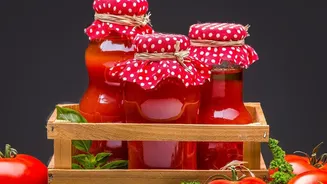
For shelf-stable sauce that lasts a year or more, canning is the traditional method. However, it requires strict adherence to safety procedures to prevent the growth of Clostridium botulinum, the bacteria that causes life-threatening botulism. Tomatoes are on the edge of being acidic enough for safe water-bath canning, so you must add acid to each jar. The standard is to add two tablespoons of bottled lemon juice or a half teaspoon of citric acid per quart jar (one tablespoon of lemon juice or a quarter teaspoon of citric acid for pints). This must be bottled lemon juice, as its acidity is standardized, unlike fresh lemons. Use a tested recipe from a reliable source, like the National Center for Home Food Preservation, fill sterilized jars leaving the correct headspace, and process them in a boiling water canner for the recommended time based on your altitude. Never deviate from a tested recipe by adding extra low-acid ingredients like onions or peppers, as this can alter the pH and make the sauce unsafe.
How to Spot Spoilage
Always trust your senses before using stored tomato sauce. The most obvious sign of spoilage is visible mold, which can appear as fuzzy white, green, or black spots on the surface. Other red flags include an off or sour smell, a slimy texture, or a change in colour to a darker, brownish-red. If you are using canned sauce, check the jar before opening. A bulging or leaking lid, or one that spurts liquid or foam upon opening, are all signs of contamination, and the product should be discarded immediately without tasting.