



The Undisputed Reign of Masala Chai
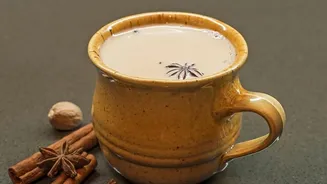
In the cultural lexicon of India, few things are as constant as chai. It’s the nation's unofficial beverage, a symbol of hospitality, and the great social equaliser found everywhere from bustling street corners to quiet living rooms. This is the tea most
of the world associates with India: a strong, sweet, milky concoction boiled with a blend of spices like cardamom, ginger, and cloves. It is a drink of comfort and community, deeply woven into the daily rhythm of life. For decades, this version of tea has dominated, with the vast majority of Indian households being regular tea drinkers. But while its throne is secure, the kingdom of tea is expanding.
A Clear Shift: The Rise of Specialty Tea
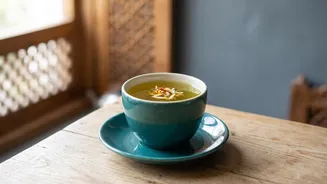
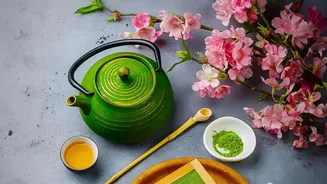
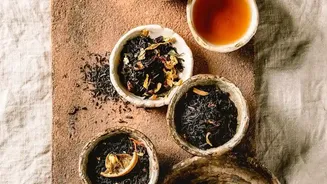
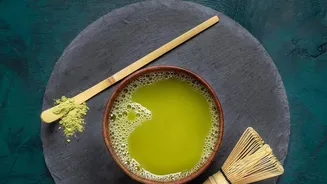
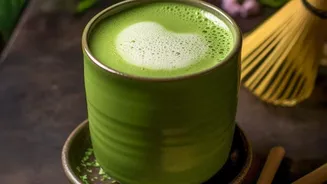
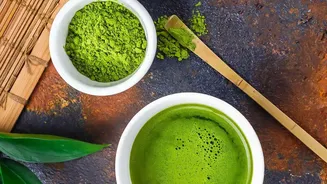
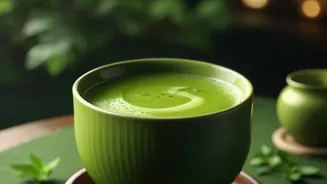
A significant evolution is underway, driven by a new generation of drinkers. The specialty tea market in India has more than tripled in the last five years, growing into a ₹1,000 crore industry. This trend is championed by millennials and Gen Z, who are increasingly drawn to premium, clear teas like single-origin Darjeeling, Nilgiri, and Assam, as well as green, white, and oolong varieties. Consumed without milk or sugar, these 'pure teas' allow the authentic character and subtle notes of the leaves to shine through. This shift is driven by a quest for authenticity, wellness, and a more nuanced tasting experience, treating tea less like a commodity and more like an artisanal product, similar to fine wine or specialty coffee.
Exploring the 'Salty': A Taste of Tradition
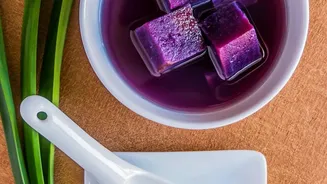
The headline's mention of 'salty' tea is not just a metaphor for a less sweet palate; it points to real, traditional brews that are finding a new audience. The most famous is Kashmir's Noon Chai, or Sheer Chai. This striking pink tea gets its colour from a chemical reaction with baking soda and is traditionally brewed with salt, not sugar. Originally designed to aid hydration in high altitudes, it has a unique, savoury flavour that many find surprising. While an acquired taste, Noon Chai and other regional salty teas like the butter tea of Ladakh (Gur Gur Cha) are gaining curiosity beyond their native regions, celebrated in specialty cafes and by food explorers for their rich heritage.
The Forces Behind the Change
Several factors are fuelling this diversification. A major driver is growing health consciousness, with consumers looking to reduce sugar intake and embrace the antioxidant benefits of tea in its purer forms. Adding milk can reduce some of tea's beneficial impacts, making black or clear tea a healthier choice. The rise of a modern café culture, pioneered by coffee chains, has created a space for tea to be reinvented. New-age tea cafes and bars are offering everything from artisanal blends and tea mocktails to cold brews, transforming tea into an experiential and customizable beverage. E-commerce has also made a vast variety of specialty teas accessible to consumers in smaller cities, moving the trend beyond just the metros.
A Bigger, More Inclusive Teacup
This evolution isn't about replacing the beloved masala chai. Instead, it’s about expansion. The Indian tea drinker's palate is becoming more adventurous, creating a market where a roadside 'cutting chai' can coexist with a delicate, first-flush Darjeeling or a savoury Noon Chai. This change reflects a broader cultural shift—one that embraces global trends while also rediscovering its own deep-rooted traditions. Tea companies and startups are responding by focusing on everything from wellness blends with ingredients like turmeric and ashwagandha to rare, single-estate harvests. The story of Indian tea is no longer a monologue; it’s a rich, diverse conversation with a flavour for every preference.