




The Truth About Tomatoes
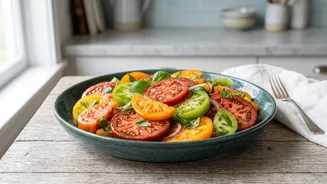
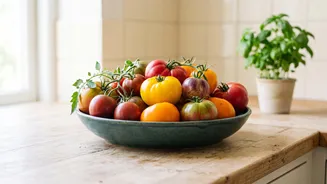
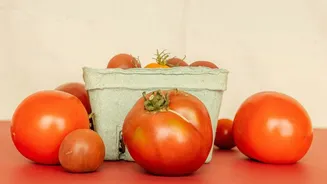
A mushy, bland tomato is a culinary tragedy, and the refrigerator is often the culprit. Cold temperatures are the enemy of a perfect tomato. Chilling them below a certain point stops them from producing the volatile compounds that create their signature
sweet, complex flavour. This effect can be permanent. The cold also breaks down the cell walls within the fruit, resulting in that dreaded mealy, watery texture. If you buy under-ripe tomatoes, the fridge will halt the ripening process completely, leaving you with a flavourless, firm orb forever. For the best taste and texture, store your tomatoes on the countertop at room temperature, out of direct sunlight. If they are perfectly ripe and you need to extend their life by a day or two, the fridge can be a last resort, but let them come back to room temperature before eating to revive some of the flavour.
Potatoes Prefer the Pantry
Potatoes are a pantry staple, not a refrigerator resident. When stored in the cold, a process called “cold-induced sweetening” occurs. The potato’s starches begin to convert into sugar. This might sound appealing, but it gives the potatoes an unpleasantly sweet taste and can cause them to darken unevenly when cooked, especially when fried or roasted. More importantly, this increased sugar content can lead to the formation of higher levels of a chemical called acrylamide when the potatoes are cooked at high temperatures. The ideal storage condition for potatoes is in a cool, dark, and dry place with good air circulation—think a pantry, a cellar, or a paper bag in a dim cupboard. Keep them away from onions, as the gases they release can cause potatoes to sprout faster.
Bread Breathes Best Outside the Fridge
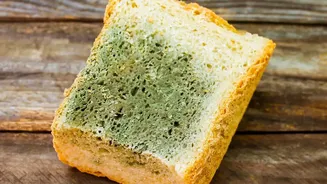
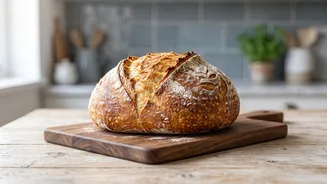
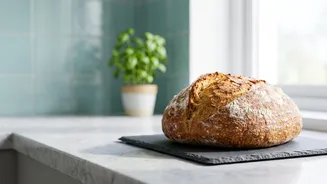
It seems logical to refrigerate bread to prevent mould, but you’re actually making it go stale much faster. The process is called starch retrogradation, where the starch molecules in the bread recrystallise and harden. This process happens at all temperatures but occurs most rapidly at the cool, but not freezing, temperatures inside a refrigerator. In essence, refrigerating bread accelerates the staling process, leaving you with a tough, dry loaf in a day or two. While the cold does slow mould growth, most good bread will go stale long before it gets mouldy. The best place for your loaf is in a bread box or a paper bag at room temperature, which allows for some air circulation. For long-term storage, the freezer is your best friend. Freezing almost completely halts the staling process, preserving the bread's texture and flavour for months.
Onions and Garlic Need Airflow
Like potatoes, whole onions and garlic bulbs thrive in a cool, dark, dry environment with plenty of air circulation. The humidity of a refrigerator is their enemy, causing them to become soft, mushy, and prone to sprouting or moulding. A mesh bag, a wire basket, or even a simple paper bag with holes punched in it, stored in a pantry or a dark corner of the kitchen, is the perfect home for them. This allows air to move around them, keeping moisture at bay. Remember to store them separately from potatoes; onions release ethylene gas, which can encourage potatoes to sprout prematurely. Once you've cut into an onion or broken up a garlic head, however, the rules change. Chopped or peeled alliums should be stored in an airtight container in the refrigerator.
Honey is Naturally Preserved
Honey is one of nature's marvels; it's a supersaturated sugar solution that almost never spoils. Because of its low water content and natural acidity, it does not need refrigeration. In fact, putting honey in the fridge will only do it a disservice. The cool temperature accelerates the process of crystallization, where the natural glucose in the honey separates from the water and forms hard, grainy crystals. While crystallized honey is still perfectly safe to eat, it becomes thick and difficult to pour. The best way to store honey is in a tightly sealed jar at a stable room temperature. If your honey does crystallize, you can easily return it to its liquid state by placing the jar in a bowl of warm (not boiling) water for a few minutes.