






The Low-Calorie Contenders
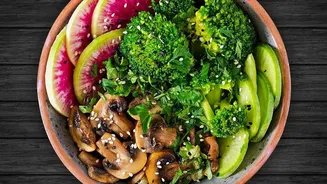
When it comes to managing weight, both mushrooms and zucchini are star players. Both are incredibly low in calories, with a 100-gram serving of mushrooms containing around 22 calories and the same amount of zucchini coming in at just 17 calories. Their
high water and fiber content help you feel full and satisfied, making them excellent additions to any meal aimed at reducing overall calorie intake without sacrificing volume. In terms of macronutrients, they remain closely matched. Mushrooms offer a slightly higher protein content, while zucchini has a bit more carbohydrates, but the differences are minimal, making both suitable for low-carb and protein-conscious diets.
The Vitamin Verdict: A Split Decision
This is where their unique strengths begin to show. Zucchini is a fantastic source of Vitamin C, a powerful antioxidant that supports the immune system and is crucial for skin health through collagen production. It also provides a good amount of vitamin A, which is important for vision and immune function, and vitamin B6. Mushrooms, on the other hand, are one of the few plant-based sources of vitamin D, especially when they have been exposed to UV light. This “sunshine vitamin” is essential for bone health and immune response. Furthermore, mushrooms are packed with B vitamins like riboflavin, niacin, and pantothenic acid, which are vital for converting food into energy and maintaining a healthy nervous system.
A Duel of Minerals and More
Both vegetables bring essential minerals to the table. Both are good sources of potassium, which plays a key role in regulating blood pressure by counteracting the effects of sodium. Zucchini also provides manganese, which is important for bone health. Mushrooms contribute important minerals like selenium, a potent antioxidant that protects cells from damage, and copper, which helps form red blood cells. The skin of the zucchini is particularly rich in antioxidants, including carotenoids like lutein and zeaxanthin, which are known to support eye health and may reduce the risk of age-related eye diseases. Mushrooms contain their own unique antioxidant, ergothioneine, which research suggests may help protect against chronic diseases.
Digestive Health and Fiber
Fiber is crucial for a healthy digestive system, and both contenders deliver. Zucchini is a good source of both soluble and insoluble fiber. The soluble fiber, pectin, is particularly effective at helping to reduce cholesterol levels. Its high water and fiber content also aid in preventing constipation and promoting a healthy gut. Mushrooms contribute beta-glucans, a type of soluble fiber associated with improved heart health and immune support. While neither is the absolute highest-fiber vegetable available, their consistent contribution helps you meet your daily needs, supporting both digestive regularity and the healthy bacteria in your gut.
So, Who Should You Choose?
After a thorough review of the nutritional evidence, declaring a single winner between mushrooms and zucchini is impossible—and misses the point entirely. The best choice truly depends on your specific health goals. If your focus is on boosting your Vitamin C intake and supporting eye health, zucchini is an excellent pick. If you're looking for a plant-based source of Vitamin D and a wealth of B vitamins, mushrooms are your go-to. Both are low-calorie, hydrating, and versatile enough to be included in countless dishes, from stir-fries and soups to salads and grilled side dishes. The mild flavor of zucchini makes it incredibly versatile, while the savory, umami taste of mushrooms provides a satisfying, meaty texture.