




A Junkyard Above Our Heads
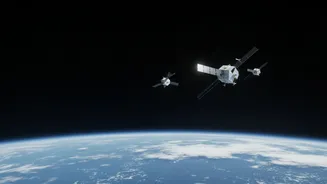
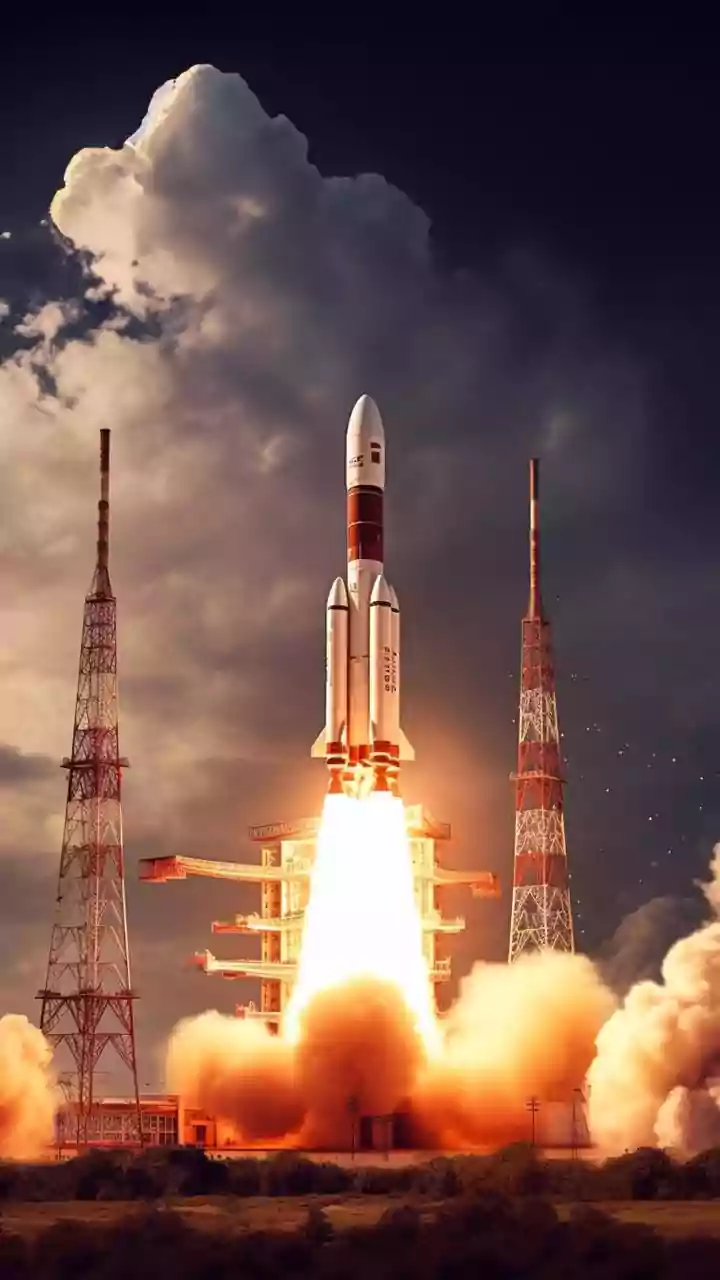
Imagine a highway with no lanes, no speed limits, and where abandoned cars are left to rust at 28,000 kilometres per hour. That’s the situation developing in Low Earth Orbit (LEO). For decades, every rocket launch has added to the population of objects
circling our planet. There are now over 36,000 tracked objects larger than 10 cm, but millions of smaller, untrackable fragments are also hurtling through space. While only a fraction of these are active satellites, the rest is 'space junk'—defunct satellites, spent rocket stages, and fragments from past collisions. This ever-growing cloud of debris poses a catastrophic risk. A collision involving even a small piece of debris can destroy a multi-million dollar satellite, creating thousands of new fragments and triggering a chain reaction known as the Kessler Syndrome, which could render entire orbits unusable.
Enter SMOPS-2026 and Global Cooperation
Recognising this escalating threat, the global space community has prioritised space sustainability. A key forum for these discussions is the International Conference on Spacecraft Mission Operations (SMOPS). The recent SMOPS-2026 conference in Bengaluru, jointly organised by ISRO, brought together space agencies, scientists, and industry leaders. The agenda was packed with critical topics like the management of large satellite constellations, automation, and advanced mission design, but the central theme was ensuring the future of space remains both smart and sustainable. The focus on space traffic management (STM) highlights a global consensus: the era of simply launching and forgetting is over. The challenge now is to establish a system of cosmic governance before a major disaster forces the issue.
The Challenge of Mega-Constellations
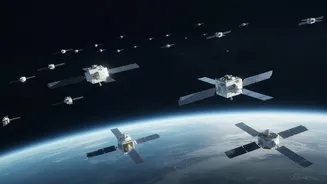
The problem has been supercharged by the rise of commercial mega-constellations. Companies are launching thousands of satellites to provide global internet and other services. While these promise transformative benefits, they drastically increase orbital density. This rapid expansion strains radio spectrum availability and multiplies the risk of collisions, with large constellations performing thousands of manoeuvres daily that are difficult to track in real-time. Existing international space law, drafted decades ago, does not explicitly address space debris or traffic management, creating a regulatory vacuum. Forums like SMOPS-2026 are crucial for developing the informal norms and technical standards that could form the basis of future treaties, focusing on data sharing and trust between operators to prevent collisions.
Why Space Traffic Matters for India
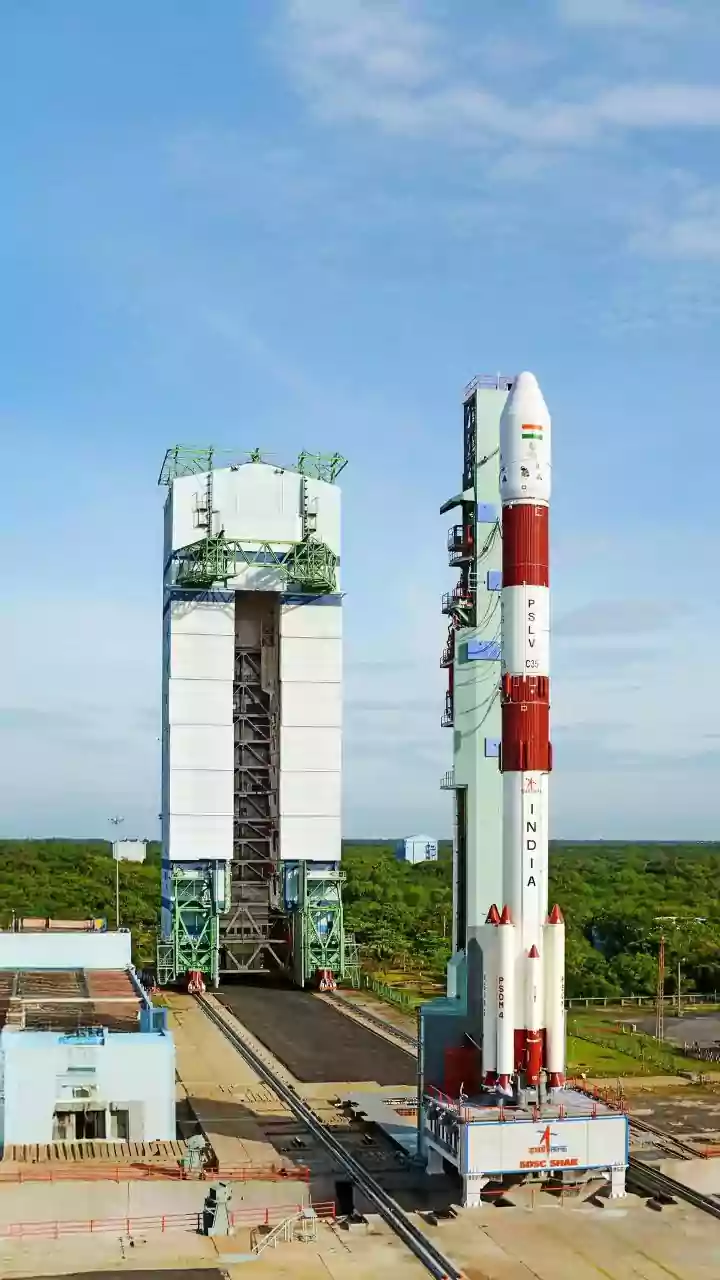
For India, the stakes are incredibly high. The Indian Space Research Organisation (ISRO) has a growing fleet of satellites critical for communication, weather forecasting, disaster management, and national security, including the NavIC navigation system. With the ambitious Gaganyaan human spaceflight mission on the horizon and the recent opening of the space sector to private enterprise under the Indian Space Policy 2023, India's reliance on and contribution to space activities is set to soar. A collision could not only jeopardise a specific mission but also threaten the long-term viability of orbits essential for India's socio-economic development. Recognizing this, ISRO has established its own System for Safe and Sustainable Space Operations Management (IS4OM) and the NETRA project to enhance its space situational awareness capabilities.
The Search for a Global Solution
There is no single, easy solution. The discussions at SMOPS-2026 and other international forums revolve around a multi-pronged approach. Key proposals include creating a global, open-access system for tracking space objects, establishing clear rules for satellite end-of-life disposal (such as de-orbiting within a set timeframe), and investing in active debris removal technologies. International cooperation is paramount, as no single nation can monitor or manage the entirety of space on its own. India has positioned itself as a responsible leader in this domain, championing the long-term sustainability of outer space activities at the UN and launching initiatives like its Debris Free Space Mission (DFSM), which aims for all Indian missions to be debris-free by 2030.