



Why Winter Weather Checks are Non-Negotiable
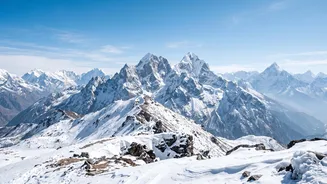
Ignoring the winter forecast in India isn't just an inconvenience; it can derail your entire trip. The two biggest culprits are snow in the Himalayas and dense fog across the northern plains. Heavy snowfall can lead to road closures that last for days,
leaving travellers stranded. High-altitude passes like Rohtang and Khardung La often shut down completely, making popular destinations like Spiti and parts of Ladakh inaccessible. Meanwhile, from December to January, thick fog frequently envelops cities like Delhi, Lucknow, and across Punjab, causing hundreds of flight and train cancellations or severe delays. This can lead to missed connections and days of frustrating logistical challenges. A weather check isn't just about packing an extra jacket; it's about ensuring your itinerary is even possible.
The Himalayan States: Beyond Just Snowfall
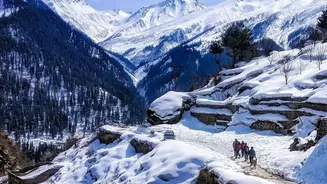
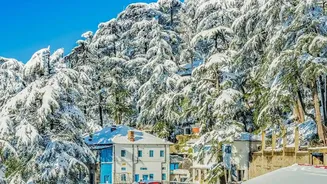
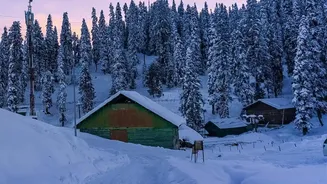
For those chasing snow in Himachal Pradesh, Uttarakhand, or Jammu and Kashmir, checking the weather is about more than just predicting a good snowfall. Heavy downpours can trigger landslides, blocking key arteries and isolating popular towns like Manali and Shimla. It's crucial to check not just the forecast but also the road status. Many high passes, including Rohtang, Kunzum, and Zoji La, are officially closed for the entire winter season, from around November to May. Even routes that remain open, like the Atal Tunnel to Lahaul or the road to Auli, can face temporary closures after a fresh bout of snow. Before you leave, check for 'Western Disturbance' forecasts from the India Meteorological Department (IMD), as these systems bring most of the region's snow and rain. First-time winter travellers should stick to destinations with better infrastructure like Manali or Auli, which have more reliable road clearance and medical facilities.
The Northern Plains: Navigating the Fog
Across the northern plains, winter's main adversary is fog. This isn't just a light mist; it's a dense 'radiation fog' that can reduce visibility to near zero, especially from late December to late January. This severely impacts travel in and around Delhi, Uttar Pradesh, Punjab, and Haryana. Hundreds of flights are often delayed or cancelled at major airports, while trains can run 10-12 hours behind schedule. Road travel becomes extremely hazardous, with multi-vehicle pile-ups common on expressways in the early morning. If your trip involves the northern plains, avoid scheduling early morning travel. The fog is typically worst between 11 pm and 10 am, often clearing by midday. Never book a flight or train with a tight connection after a long road journey during this period; build in a buffer day or stay overnight in your departure city.
Your Go-To Weather Toolkit for India
For the most reliable information, your first stop should be the India Meteorological Department (IMD). Their official website and 'Mausam' app provide location-specific forecasts, colour-coded warnings for events like heavy snow or dense fog, and specialised tourism bulletins. The app is available in multiple Indian languages. Another credible 'made in India' option is Skymet Weather, which provides forecasts and analysis, especially for monsoon patterns but also for general weather. For hyper-local and international perspectives, apps like AccuWeather and The Weather Channel are also widely used, offering hourly forecasts and real-time alerts that can be useful for on-the-ground planning. For road status, especially in the Himalayas, check official updates from local police and district administration social media pages, as conditions can change rapidly.
Practical Tips for a Smooth Winter Trip
Beyond checking the forecast, a few practical steps can save you from winter travel chaos. First, keep your itinerary flexible. Avoid pre-paying for non-refundable activities on your arrival day or scheduling tight connections. Second, pack strategically. This means layers, including thermals, woollens, and a waterproof outer layer, not just a single heavy jacket. Good quality shoes with a solid grip are essential for icy paths. Third, for road trips, carry an emergency kit with a power bank, snacks, water, and a thermal blanket. Finally, always communicate with your hotel or local contacts on the ground before you start your journey. They often have the most current information about local road conditions and disruptions. A little preparation allows you to enjoy the magic of an Indian winter without the stress.