


A Discovery Hiding in Plain Sight
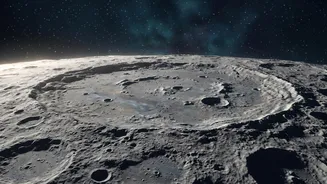
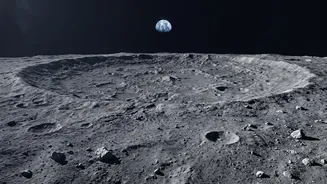
In an astonishing finding, NASA scientists have identified a newly formed crater on the Moon that is approximately 222 metres (728 feet) across and 43 metres (141 feet) deep. To put that into perspective, it's wider than the Roman Colosseum and deep enough
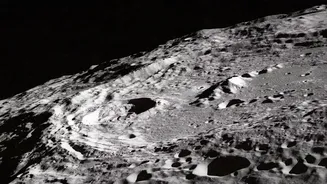
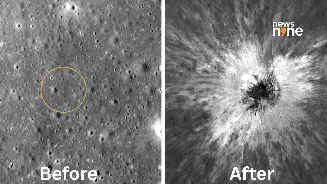
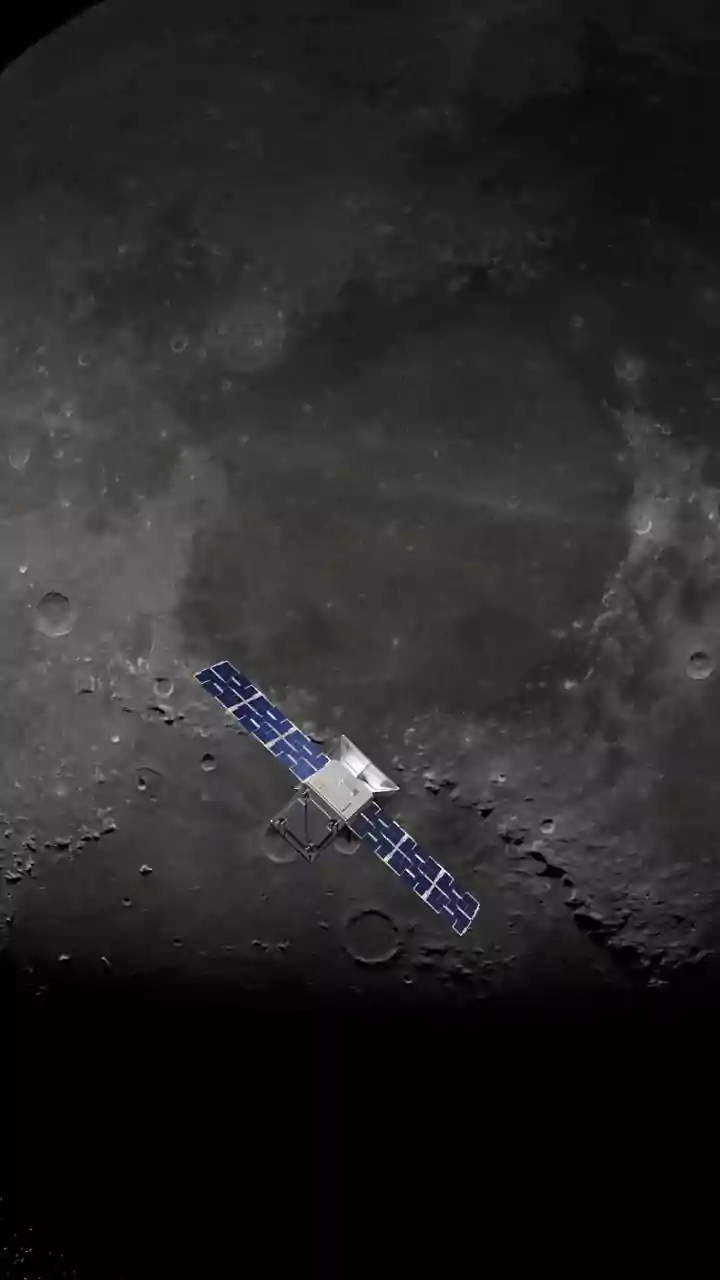
to swallow three school buses stacked vertically. Dubbed the McGetchin crater, after pioneering lunar scientist Thomas McGetchin, this massive scar was carved out when an object the size of a three-to-six-story building slammed into the lunar surface. The impact actually occurred sometime in the spring of 2024 but went completely undetected by telescopes on Earth and in space. It wasn’t until researchers began meticulously comparing before-and-after images from NASA's Lunar Reconnaissance Orbiter (LRO) that the fresh impact site was finally spotted in 2025.
Shattering the Previous Record
The scale of the McGetchin crater makes it truly exceptional. It is officially the largest newly formed impact crater ever identified, not just on the Moon, but in the entire solar system. The find is made even more significant by its rarity; models suggest an impact of this magnitude happens on the Moon only once every 132 years or so, making it a once-in-a-lifetime observation for scientists. The new crater is three times bigger than the previous record-holder for a fresh impact crater found by the LRO mission. While the Moon is covered in ancient, gigantic basins stretching thousands of kilometres, McGetchin provides a pristine, untouched look at how these violent events shape a planetary body in real time.
The Science of the Scar
The discovery offers much more than just a new landmark. Because the LRO had been scanning the Moon for over 17 years, scientists had a perfect 'before' picture of the impact site, allowing for an unprecedented analysis of the aftermath. The impact was so powerful that it churned up the lunar surface for more than 100 kilometres around the crater. Beyond the visible debris field, instruments on the LRO detected a seven-kilometre-wide 'cold spot' surrounding the crater. Scientists believe the impact wave 'fluffed up' the top layer of lunar soil, or regolith, making it less dense and less able to retain heat during the frigid lunar night. This effect, similar to tilling a garden, provides invaluable data for future lunar missions, as understanding soil properties is crucial for building bases and landing spacecraft.
A Window into a Violent Past
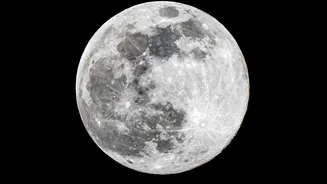
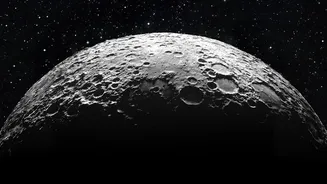
Impact cratering is one of the most fundamental processes in our solar system; it’s how planets were built. Earth has been hit far more often than the Moon, but weather, water, and tectonic activity have erased most of the evidence. The Moon, with no atmosphere to protect it and little geological activity, acts as a cosmic guestbook, preserving a near-perfect record of impacts stretching back billions of years. Studying a fresh, unaltered crater like McGetchin allows scientists to refine their models of impact physics. It helps them understand how material is thrown across the surface, how rock is melted and fractured, and how the underlying geology is changed. These insights are key to decoding the history recorded in the Moon's countless older craters and piecing together the chaotic early days of our solar system.