




The Great Indian Protein Gap
For decades, the typical Indian diet, while rich in flavour and tradition, has been overwhelmingly dominated by carbohydrates. A meal of dal, rice, and roti is wholesome, but often falls short on a key macronutrient. According to multiple surveys, an estimated
73% of urban Indians are protein-deficient, and a staggering 93% may not even know their daily protein requirement. The Indian Council of Medical Research (ICMR) suggests an adult needs about 1 gram of protein per kilogram of body weight daily, but the national average intake is closer to 0.6 grams. This isn't just a minor nutritional shortfall; it’s a widespread gap linked to issues like poor immunity, fatigue, and muscle loss. The problem is often that nearly half of the protein consumed comes from cereals like rice and wheat, which are of lower quality compared to sources like pulses, dairy, and eggs.
A New Wave of Health Consciousness
So, why the sudden focus on protein? The shift is being driven by several powerful social and economic forces. The COVID-19 pandemic acted as a major catalyst, dramatically increasing consumer focus on health, immunity, and overall wellness. This newfound awareness is most prominent among India's large youth population—with 65% of its people under 35—who are more connected to global fitness trends through social media. As urbanisation continues and disposable incomes rise, more people are willing to spend on products that promise better health. This has moved protein from a niche product for bodybuilders to a daily wellness essential for busy professionals, families, and seniors.
Brands Seize the Opportunity
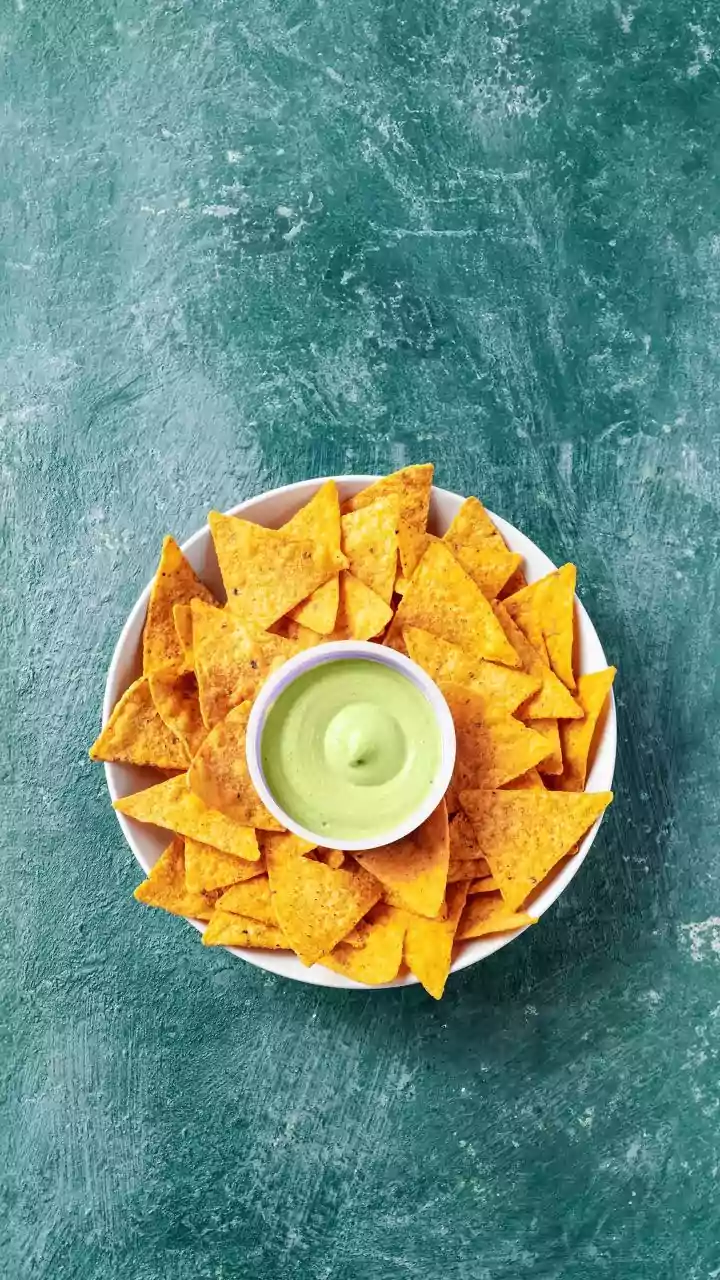
India's entrepreneurs and established FMCG giants have been quick to respond to this surging demand, creating a market now valued at over $1.6 billion in 2026. The market is projected to grow significantly, with some estimates expecting it to reach $2.2 billion by 2031. Innovation is flourishing. Homegrown brands like MuscleBlaze, The Whole Truth, and Oziva (now owned by HUL) are challenging global players with products tailored to Indian tastes and needs. The innovation extends far beyond traditional protein powders. Consumers can now find high-protein versions of everyday foods like chips, wafers, cookies, peanut butter, and even atta. This strategy is making protein consumption more convenient and appealing to a broader audience that isn't necessarily going to the gym but still wants to eat healthier.
From Niche to Mainstream Grocery
The most significant aspect of this trend is protein's journey from specialty stores to the everyday grocery basket. Quick commerce platforms have reported a 150% surge in protein-related orders in just two years, a clear sign of mainstream adoption. Plant-based protein is emerging as the fastest-growing segment, catering to India's large vegetarian population and those seeking clean-label, gut-friendly options. Brands are creating products with pea, soy, rice, and even hemp protein to meet this demand. The market is also becoming more accessible, with companies offering smaller, more affordable product sizes to encourage trials and adoption in Tier 2 and Tier 3 cities, where awareness is still developing.
Challenges and the Road Ahead
Despite the boom, challenges remain. Affordability is a major factor, as many high-protein products are still priced at a premium. Educating consumers about their actual protein needs versus myths is another hurdle. For brands, the key to sustained growth will lie in perfecting the trifecta of taste, price, and trust. As more Indians move from simply being aware of the protein gap to actively seeking solutions, the market is poised for continued expansion. This trend represents more than just a business opportunity; it reflects a fundamental evolution in how India thinks about food, health, and well-being, driven by a new generation of consumers and the innovative brands serving them.