






Deciphering the '12x Forecast'
While there isn't a single report titled the '12x Forecast', the term perfectly captures the spirit of projections from multiple leading industry analysts. The core idea is a massive, near-exponential growth curve for electric vehicles. Reports from agencies
like the International Energy Agency (IEA) and various market research firms converge on a similar outlook: the global fleet of EVs is projected to grow more than sixfold by 2035. In some markets, the growth is even more dramatic. In India, for example, the government has set an ambitious target of achieving 30% EV penetration by 2030, a massive jump from the current single-digit figures. This translates to a market size expected to surpass USD 100 billion in the coming years. For automakers, ignoring a market poised to multiply by a factor of ten or more isn't just a missed opportunity—it's a potential extinction-level event.
The Three Forces Driving the Surge
This explosive forecast isn't happening in a vacuum. It's propelled by three powerful, interconnected forces. First, government policy is a major catalyst. Nations across the globe, including India, are implementing stricter emissions standards and phasing out internal combustion engine (ICE) vehicles to combat air pollution and meet climate goals. Policies like India's FAME (Faster Adoption and Manufacturing of Electric Vehicles) scheme provide direct subsidies and incentives to both buyers and manufacturers. Second, consumer demand is shifting. Growing environmental awareness, coupled with the allure of new technology and lower running costs, is making EVs a more attractive proposition. Finally, technological advancements, particularly in battery technology, are making EVs more practical and affordable, chipping away at barriers like range anxiety and high upfront costs.
Automakers Bet Billions on Batteries
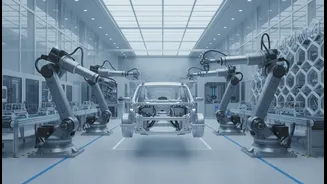
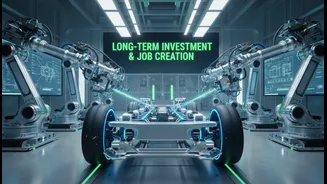
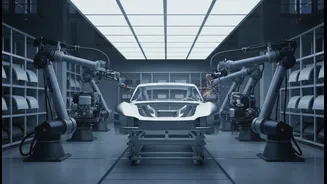
Faced with this undeniable shift, automakers are not just dipping their toes in the water; they are diving headfirst into electrification. Legacy giants like Ford, General Motors, Volkswagen, and Hyundai have collectively committed hundreds of billions of dollars toward developing new EV models and building a dedicated supply chain. This investment isn't merely about producing a few token electric models. It's about fundamentally re-engineering their businesses. Companies are building new gigafactories for battery production, redesigning manufacturing plants, and creating entirely new vehicle platforms built around electric powertrains. They are in a race to secure battery materials, develop proprietary technology, and build out charging infrastructure to support the millions of new EVs they plan to sell. This spending spree is a direct hedge against being left behind in an industry on the cusp of its biggest transformation in a century.
The Indian EV Gold Rush
This global trend has a distinct and powerful echo in India. The Indian EV market is poised for colossal growth, with some forecasts predicting a market value of over USD 150 billion by 2030. The government's 'Make in India' push, combined with its ambitious 30% electrification target, has created a fertile ground for investment. Domestic manufacturers like Tata Motors and Mahindra are leading the charge, with Tata commanding a significant share of the electric passenger vehicle segment. At the same time, international players are increasing their focus on the Indian market, bringing in new models and investing in local production. The expansion isn't limited to passenger cars; the two- and three-wheeler segments, which form the backbone of Indian mobility, are electrifying at an even faster pace. With a burgeoning middle class, rising fuel prices, and increasing urbanisation, India represents one of the most significant growth opportunities for the global EV industry.