



The Core of the Matter
Before we compare these two activities, let's clarify what 'core strength' really means. It’s not just about having visible abs. Your core is a complex series of muscles—including your abdominals, obliques, lower back, and even your glutes—that work together
to stabilize your entire body. A strong core is the foundation for almost every movement you make, protecting you from injury, improving your posture, and enhancing your balance.
Skating: Dynamic Stability in Motion
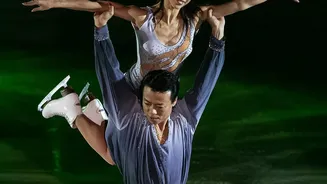
Whether you're on roller skates or inline skates, the activity is a masterclass in dynamic core engagement. To stay upright on wheels, your body must constantly make tiny adjustments. This act of balancing heavily relies on your core muscles to keep you stable. With every push and glide, your abdominal and lower back muscles activate to support your spine and maintain your posture. The side-to-side motion of skating is particularly effective at targeting the obliques (the muscles on the sides of your torso) and the glutes, which are a key part of your core's support system. This is what fitness experts call dynamic strength—the ability of your core to keep you stable while you are in motion.
Tai Chi: Controlled Foundational Power
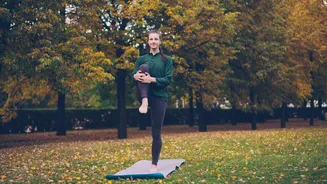
Often described as 'meditation in motion', Tai Chi builds core strength in a completely different way. This ancient Chinese martial art involves slow, deliberate, and flowing movements. To perform the postures correctly, you must maintain a stable center of gravity, which requires continuous engagement of the deep muscles in your abdomen and back. The practice emphasizes posture and alignment, training your core muscles to hold your body in a stable position for extended periods. Studies have shown that a regular Tai Chi practice can significantly increase core strength, improve balance, and even reduce waist size. This is a form of foundational, or static, strength that creates a solid and controlled center.
The Verdict: Dynamic vs. Foundational Strength
So, which is better? The answer isn't a simple one-or-the-other. Skating and Tai Chi build different types of core strength. Skating excels at developing a reactive, dynamic core that can adapt to sudden changes in balance and momentum. It’s about strength in action. Tai Chi, on the other hand, builds deep, foundational strength and endurance. It’s about creating a powerful, unshakable center from which all movement originates. Neither is inherently superior; they simply serve different functions. A dynamic core from skating helps you react quickly, while a foundational core from Tai Chi provides unwavering stability.
Which Is Right for You?
The best choice for you depends entirely on your fitness goals, personality, and physical needs. If you thrive on high-energy activities, enjoy cardiovascular workouts, and want to build reactive strength for sports or active hobbies, skating is an excellent option. It's fun, burns a significant number of calories, and is a full-body workout. If you prefer a low-impact, mindful practice that reduces stress while simultaneously improving strength, balance, and flexibility, Tai Chi is likely your answer. It is especially beneficial for those who may find high-impact exercises difficult or who want to focus on body awareness and control.