





The Tax Burden Before the Big Cut
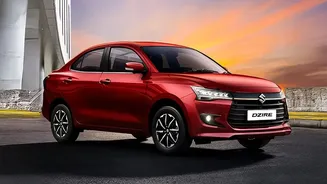
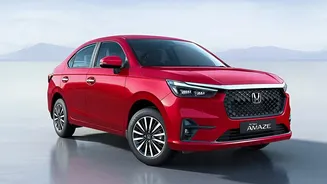
Before September 2025, owning a new car in India was becoming increasingly expensive, especially at the entry-level. Most vehicles were placed in the highest GST slab of 28%. On top of this, a compensation cess was levied based on the car's size and engine
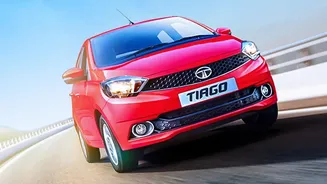
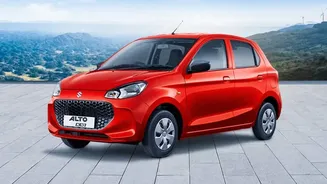
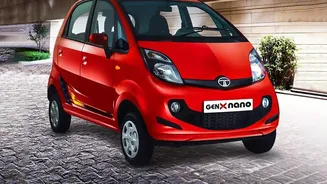
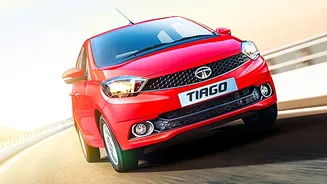
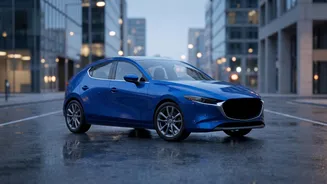
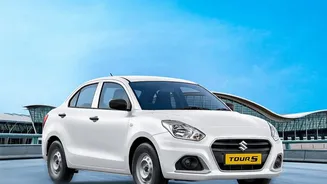
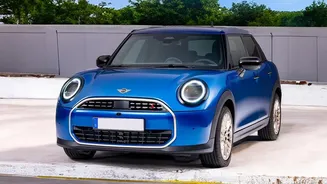
capacity. For 'small cars'—defined as those under 4 metres long with petrol engines up to 1200cc or diesel engines up to 1500cc—this meant an additional cess of 1-3%, bringing the total tax to around 29-31%. This hefty tax burden steadily eroded the primary appeal of small hatchbacks: their affordability. As taxes pushed prices up, the relative cost gap between a premium hatchback and a more desirable compact SUV began to shrink, pushing many buyers towards the latter.
The Powerful Math of a Percentage Drop
The government's decision to lower the GST rate to a flat 18% for small cars, while consolidating the rate for larger cars to 40% and removing the cess, was a game-changer. The logic is simple: a percentage-based tax cut delivers the most significant psychological and financial impact to the most price-sensitive segment. For a budget-conscious buyer, a 10-11 percentage point tax reduction is transformative. For instance, on a car with an ex-showroom price of ₹6 lakh, the tax reduction translates to a direct saving of over ₹60,000. This substantial price drop single-handedly restored the value proposition of small cars, bringing them back within reach for a massive pool of first-time buyers and middle-class families who had been priced out of the market.
Proof of Revival: The Sales Surge
The impact of the tax cut was immediate and dramatic. Following the reform, Maruti Suzuki, India's largest carmaker, reported a 30% surge in sales for vehicles falling into the new 18% GST category. In the months that followed, the results were even more pronounced. Between April and August 2026, the company saw its entry-level segment sales skyrocket by over 96%, a clear indicator that buyers were flocking back. The Federation of Automobile Dealers Associations (FADA) corroborated this trend, highlighting that the revival was particularly strong in rural markets, which are traditionally dependent on affordable transportation. Total auto retail sales climbed by 20% in the 11 months following the reform, a testament to how affordability unlocked pent-up demand.
A Rising Tide Lifts All Boats
While small cars were the biggest winners in relative terms, the GST reform also delivered gains for manufacturers of larger vehicles. The previous system could see big SUVs and luxury sedans taxed as high as 50% (28% GST + 22% cess). The new, simplified flat rate of 40% meant that even these premium vehicles became more affordable. A price drop on a ₹20 lakh SUV might not sway a buyer in the same way a ₹60,000 saving does for a hatchback customer, but it still stimulates demand across the board. This holistic approach ensured that while the focus was on helping the entry-level segment regain its footing, the entire automotive market received a much-needed boost, leading to record sales volumes for the industry as a whole.
The Unstoppable March of the SUV
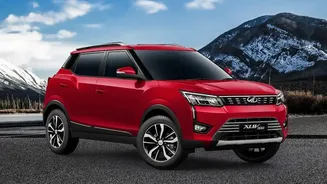
Despite the impressive comeback of the small car, the GST cut has not reversed the broader market's love affair with Sports Utility Vehicles. While the market share of entry-level hatchbacks has modestly recovered since the tax cut, it remains significantly lower than its peak from five years ago. SUVs, meanwhile, have continued to expand their dominance, now accounting for a majority of passenger vehicle sales. The market is even seeing a new trend where mid-size SUVs are beginning to outsell their compact counterparts, as families continue to prioritize space, features, and road presence. The tax cut, therefore, didn't stop the rise of the SUV, but it successfully carved out a protected space for small cars to thrive once again.