




Following the Sun's Path
Sunlight is the most critical ingredient for your garden, and not all light is created equal. Before buying a single plant, spend a day observing your balcony. Note when the sun first hits it and when it leaves. You can do this by checking every hour
or so and making a note. A simple way to tell if you have 'direct sun'—the kind most vegetable and flowering plants need—is to look for sharp, clearly defined shadows. If shadows are soft or absent, you have indirect or bright light. The direction your balcony faces is a major clue. In India, a south-facing balcony will get the most intense sun for the longest period, perfect for sun-lovers like bougainvillea, hibiscus, and tomatoes. An east-facing balcony gets gentle morning sun, ideal for herbs and leafy greens. A west-facing one gets strong afternoon heat, while a north-facing balcony will be the shadiest, suitable for plants like ferns and peace lilies. Six or more hours of direct sun is considered 'full sun', while three to six hours is 'partial sun'. Knowing your daily sun count is the key to choosing plants that will flourish rather than just survive.
Respecting the Wind
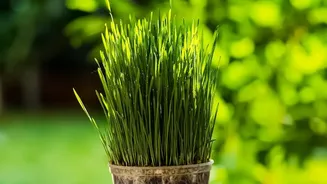
Wind is an often-underestimated force in balcony gardening, especially in high-rise apartments. Wind can dehydrate plants quickly, shred large leaves, and even topple over pots. Observe how breezy your balcony gets. Is it a gentle draft or a consistent gust? Higher floors experience more wind, which acts like a constant blow dryer on your plants' soil and leaves. To combat this, choose plants with sturdy structures. Plants with small or narrow leaves, like rosemary, or those with flexible stems that bend instead of snap, like ornamental grasses, are excellent choices. Hardy herbs such as oregano and thyme, which have woody stems, also cope well with wind. If you have your heart set on more delicate plants, you'll need to create a windbreak. This can be as simple as grouping pots together so they shelter one another or using sturdy trellises. Also, opt for heavier pots made of ceramic or terracotta to prevent them from blowing over.
Making the Most of Your Space
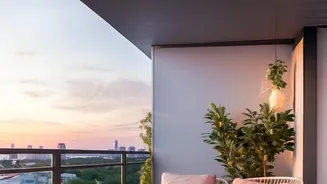
Balcony gardens are all about smart space utilisation. Start by measuring your available floor area. But don't just think horizontally; think vertically. Vertical space is your best friend on a small balcony. Railing planters, hanging baskets, and wall-mounted pots can dramatically increase your growing area without cluttering the floor. Tiered shelves or a simple ladder stand can hold multiple pots in a small footprint. When planning your layout, also consider the weight. Wet soil and large pots are very heavy, so it's important to be mindful of your balcony's load-bearing capacity. Place the heaviest containers against the wall of the building or over structural supports. Using lightweight fibre or plastic pots instead of heavy ceramic ones can help manage the overall weight. Planning your space ensures you have room for your plants to grow and for you to move around and enjoy your new green sanctuary.
Bringing It All Together
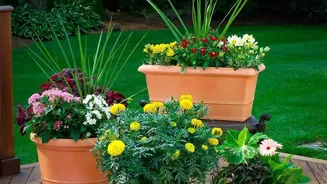
Once you have a clear picture of your balcony's microclimate, you can make a simple plan. Sketch your balcony, marking the sunniest spots, the shady corners, and the areas most exposed to wind. This 'map' will be your guide at the plant store. A sun-drenched, windy corner might be perfect for a pot of hardy lemongrass or citronella. A sheltered spot with morning sun could become a thriving herb station with tulsi and mint. For a small, sunny railing, a row of colourful marigolds could be ideal. This initial assessment removes the guesswork from gardening. It ensures you bring home plants that are naturally suited to the environment you can provide. Instead of fighting against the conditions, you will be working with them, setting yourself up for a successful and rewarding gardening experience from the very beginning.