







The Calorie Burn and Cardio Challenge
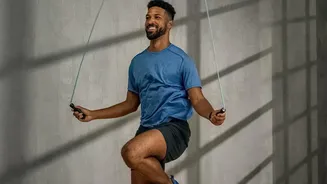
Both skipping and inline skating are excellent for cardiovascular health. Skipping, however, tends to be a more high-intensity workout. A vigorous jump rope session can burn a significant number of calories in a short amount of time, with some estimates
suggesting up to 300 calories in 30 minutes. This makes it an incredibly efficient option if you're short on time. Skating provides a more moderate-intensity workout that can be sustained for longer periods. A 30-minute skate can burn around 250 calories, offering a steady-state cardio session that still provides great heart health benefits. Ultimately, the intensity of either workout depends on your effort, but skipping generally gets your heart rate up faster.
Impact on Your Joints
This is where the two activities diverge significantly. Skipping is a high-impact exercise due to the constant jumping motion. While this can be great for building bone density, it also places stress on the knees, ankles, and hips. Proper form, like landing softly on the balls of your feet, can help mitigate this, but it's a key consideration for anyone with pre-existing joint issues. In contrast, inline skating is celebrated for being a low-impact activity. The smooth, gliding motion subjects your joints to about 50% less impact force than running. This makes it a much safer option for individuals concerned about joint strain or those recovering from certain injuries, allowing for a robust workout without the jarring shock.
The Balance Equation
While both exercises improve balance, they train it differently. Skating is fundamentally an exercise in dynamic balance. It requires constant micro-adjustments from your core and lower body to stay upright while in motion, especially while turning or navigating uneven surfaces. This develops a strong sense of stability and body awareness over a shifting base of support. Skipping challenges your balance in a more explosive, coordinated way. It’s a form of plyometric exercise that hones your coordination, rhythm, and timing. Jumping on one foot while skipping, for instance, is excellent for developing single-leg stability and ensuring balanced strength on both sides of your body.
Muscle Engagement and Toning
Skipping provides a full-body workout. It heavily engages your calves, quads, and glutes for jumping, while your core works constantly to keep you stable. Your shoulders, arms, and wrists are also involved in turning the rope, contributing to overall conditioning. Skating is particularly effective for toning the lower body and core. The side-to-side pushing motion targets the glutes, hips, and thighs, including inner and outer thigh muscles that are often missed in linear exercises like running. Your core remains braced to maintain posture and balance, leading to a strong midsection.
Accessibility, Cost, and Injury Risk
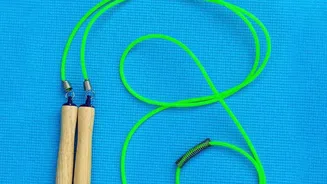
When it comes to convenience, skipping has the edge. A jump rope is inexpensive, highly portable, and requires minimal space. You can do it almost anywhere. Skating requires a larger upfront investment in skates and protective gear (helmet, wrist guards, and pads are essential). You also need access to a safe, smooth surface like a park path or quiet street. In terms of injuries, falls are the primary risk for skaters, with wrist fractures being common. For skipping, the most common issues are overuse injuries like shin splints or stress on the foot and ankle joints if you do too much, too soon.