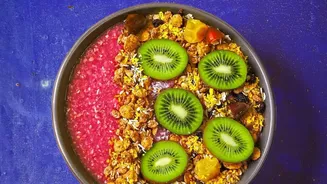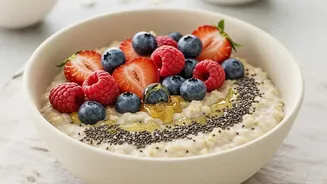





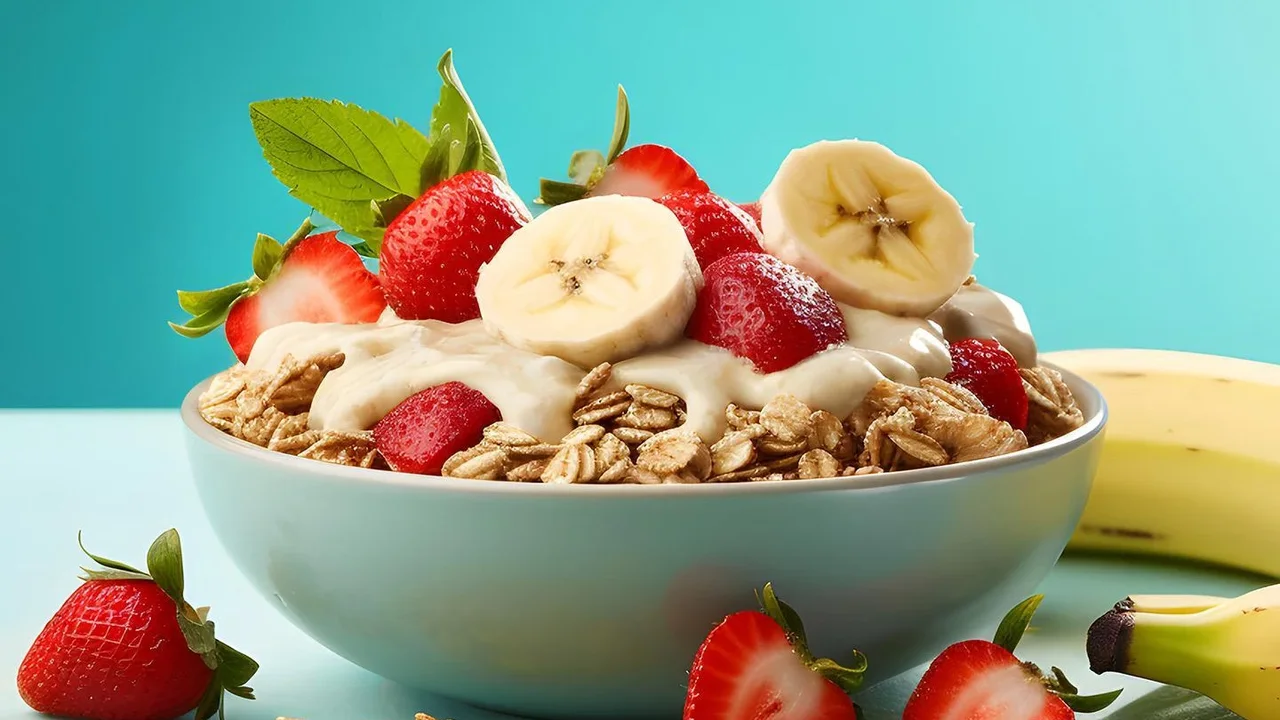


It’s a picture of wellness in a glass: layers of creamy yoghurt, wholesome oats, and vibrant fruit. To top it all off, a glistening drizzle of golden honey. But as we aim for healthier choices, it's worth asking: what is the true role of that honey?
The Power-Packed Foundation
Before
we get to the sweet topping, let's appreciate the base. An oat parfait is built on a foundation of nutritional champions. Oats are a fantastic source of carbohydrates and high-quality protein. They are most celebrated for their high content of a soluble fibre called beta-glucan. This fibre is a powerhouse, known for helping to lower cholesterol levels, regulate blood sugar, and promote a feeling of fullness that can aid in weight management. Paired with yoghurt or dahi, you're also adding a layer of protein and probiotics, which are beneficial for gut health. This combination of oats and yoghurt provides sustained energy, making it an excellent choice to start your day.
The Allure of Liquid Gold
Now for the drizzle. Honey has been used for centuries, not just as a sweetener but in traditional remedies. It's often perceived as a more 'natural' choice than processed white sugar. This isn't entirely without merit. Honey contains trace amounts of vitamins, minerals, and, most importantly, antioxidants like flavonoids and phenolic acids. These compounds help fight oxidative stress in the body, which is linked to various chronic diseases. Some studies have shown that honey has anti-inflammatory and antibacterial properties. Raw, unfiltered honey tends to have a higher concentration of these beneficial compounds.
A Spoonful of Reality
Despite its health halo, it's crucial to remember that honey is, fundamentally, a sugar. It is composed mainly of fructose and glucose. While it is natural, your body metabolises it in much the same way as other sugars, leading to a rise in blood glucose levels. Honey does have a slightly lower glycaemic index (GI) than table sugar — roughly 58 for honey compared to 65 for sugar, though this can vary depending on the type of honey. This means it may raise your blood sugar a bit more slowly. However, it is also slightly more calorie-dense than sugar. The key takeaway is that while honey offers some minor nutritional advantages over refined sugar, it is still considered a 'free sugar', the intake of which should be limited.
Mastering the 'Small Drizzle'
So, what does a 'small drizzle' actually look like? Most health organisations, including the American Heart Association, recommend limiting added sugar intake significantly. For women, the recommendation is no more than 25 grams (about 6 teaspoons) per day, and for men, it's 36 grams (about 9 teaspoons). A single teaspoon of honey contains roughly 6 grams of sugar. Therefore, a sensible 'drizzle' would be just one teaspoon. This amount is enough to impart that distinct, pleasant sweetness without contributing excessively to your daily sugar limit. Using honey's potent sweetness to your advantage—where a little goes a long way—is the smartest approach.
Building a Better Parfait
If you want to reduce your reliance on honey or simply add more nutritional variety, there are many ways to build a delicious and healthy parfait. Fresh fruit like berries, chopped bananas, or mango chunks add natural sweetness and a boost of vitamins and fibre. A sprinkle of cinnamon or cardamom can provide warmth and flavour without any sugar. For a satisfying crunch and a dose of healthy fats and protein, consider adding a tablespoon of chopped nuts like almonds and walnuts, or seeds such as chia and flax. These additions enhance the flavour and texture while also making your parfait even more nutrient-dense and filling.