







A Shift in Strategy
For years, development along the Karavali coast was guided by a broad, one-size-fits-all approach, which left much of its potential unrealised, especially when compared to neighbouring Goa and Kerala. The new initiative, championed by Tourism Minister
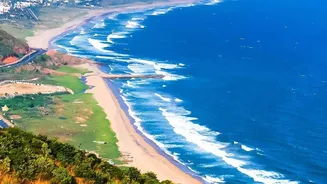
K.J. George, marks a significant strategic pivot. Instead of a single, overarching plan, the government intends to conduct comprehensive assessments of each beach permissible for development under Coastal Regulation Zone (CRZ) norms. This involves evaluating factors like connectivity, existing infrastructure, environmental sensitivity, and investment potential to create tailored development blueprints. The goal is to move away from uniform policies and unlock the unique character and economic potential of each specific location.
The Vision: Tourism, Trade, and Tech
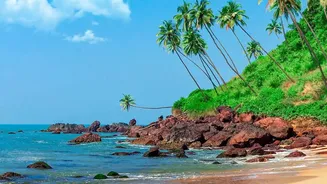
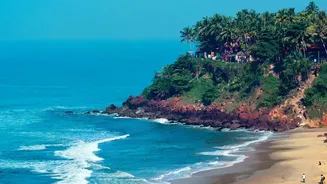
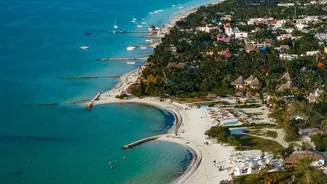
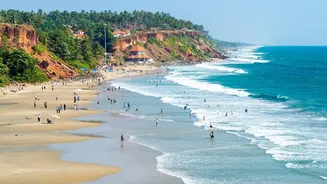
The ambition behind these master plans is multi-faceted, aiming to transform the coastline into a global destination for tourism and a hub for maritime trade. The government envisions a significant boost in tourism by creating more internationally recognised 'Blue Flag' beaches, which meet stringent standards for cleanliness, safety, and environmental management. Plans include developing infrastructure for everything from beach tourism and adventure sports to wellness retreats and cultural heritage tours. Specific proposals include a luxury yacht marina in Udupi, a surf academy at Sasihithlu, and hubs for heli-tourism and seaplanes. This tourism drive is part of a larger maritime masterplan which identifies projects worth thousands of crores to enhance port infrastructure and the coastal economy.
The Environmental Tightrope
This ambitious development push, however, walks a fine line with environmental conservation. The Karnataka coast is an ecologically sensitive zone, and a significant portion is already threatened by erosion. Experts warn that hard structures like seawalls can worsen erosion elsewhere and harm marine life. There is a growing call for 'green barriers' like mangrove restoration and tree plantation to protect the coast naturally. The government has stated its commitment to balancing economic growth with environmental protection, ensuring that each master plan is tailored to the ecological carrying capacity of its respective beach. Yet, concerns remain, especially regarding plans to ease CRZ rules to facilitate development, a move that activists fear could compromise fragile ecosystems.
The Human Cost of Development
The transformation of the coastline is not just an environmental issue but a deeply human one. The region is home to thousands of families, particularly fishing communities, whose livelihoods are inextricably linked to the sea. Major port expansion projects, such as those proposed in Karwar and Keni, have been met with fierce opposition from local fisherfolk. They fear that large-scale dredging, breakwater construction, and land acquisition will destroy traditional fishing grounds, damage beaches, and ultimately displace them from their ancestral homes. Protests have been a recurring feature, with communities demanding that their voices be heard and their livelihoods protected amidst the push for industrial and tourism growth. The success of the new master plans will hinge on whether they integrate these communities into the new economy or leave them behind.