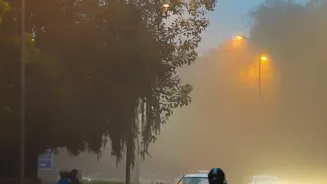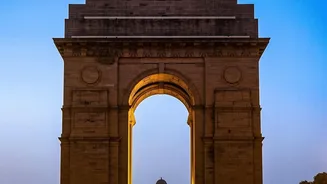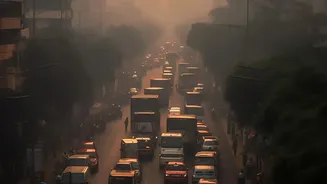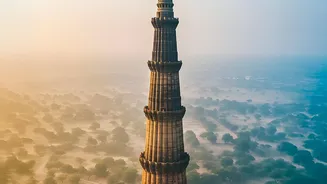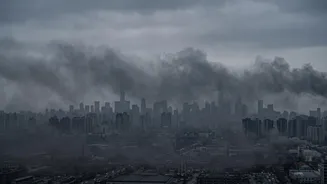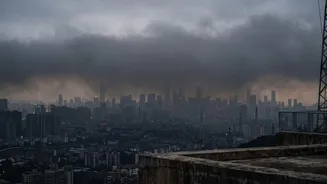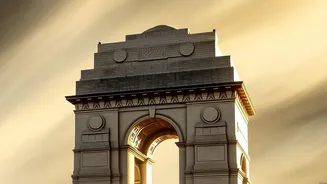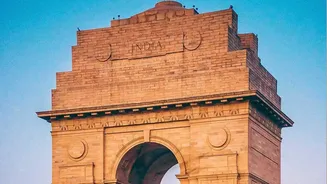




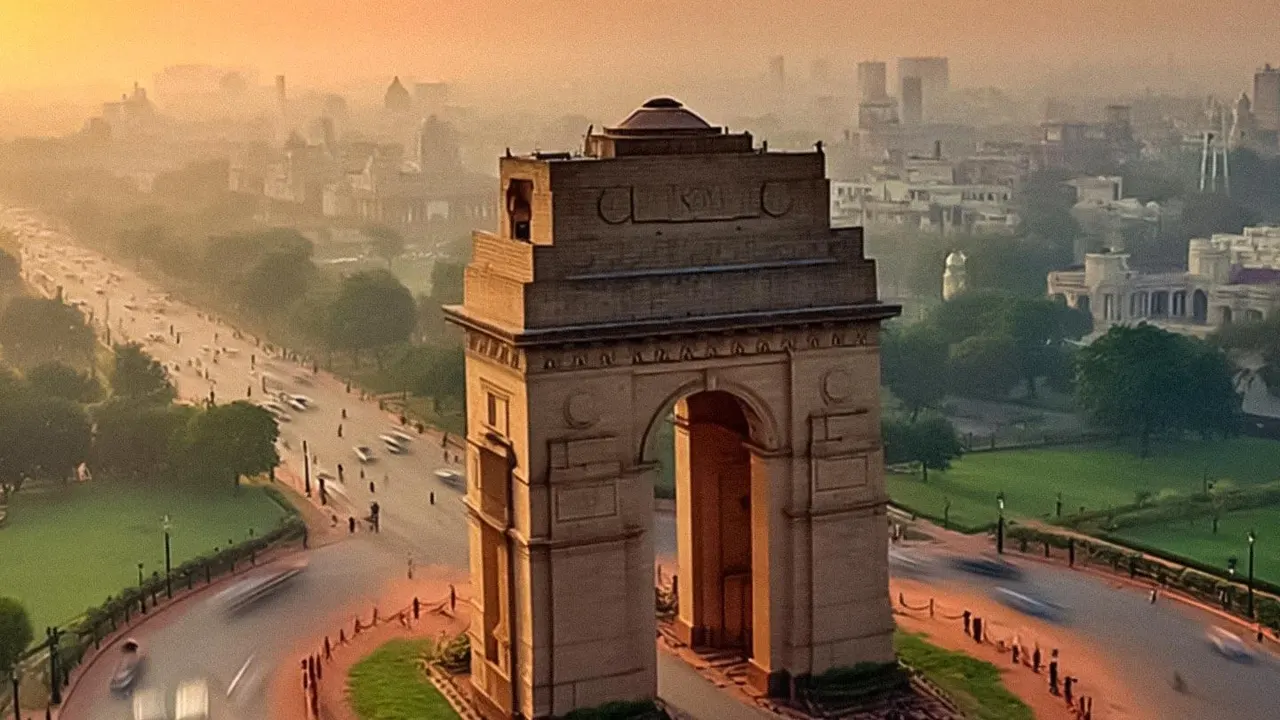
As the crisp autumn air settles over Delhi-NCR, a familiar sense of dread returns. The skyline begins to blur, and a grey haze signals the start of pollution season, bringing with it a serious, invisible threat to the health of millions.
The Annual Cycle of Toxic Air
Every year, as
winter approaches, a toxic cocktail of pollutants envelops the National Capital Region. This phenomenon is not accidental but the result of a perfect storm of factors. Cooler, denser air traps pollutants close to the ground, a process known as temperature inversion. These stagnant conditions are worsened by low wind speeds, which prevent the dispersal of emissions. The primary sources of these pollutants are numerous and complex, including vehicular and industrial emissions, dust from widespread construction activities, and household emissions from cooking and heating. A significant contributor during this period is the smoke from stubble burning in the neighbouring states of Punjab and Haryana, which can account for a substantial fraction of Delhi's pollution on the worst days.
What Smog Does to Your Lungs
The health impact of this smog is severe, with medical experts comparing daily exposure to smoking dozens of cigarettes. The most dangerous component is PM2.5 – fine particulate matter so small it can penetrate deep into the lungs and enter the bloodstream. This invasion triggers inflammation, oxidative stress, and can cause both immediate and long-term damage. Short-term exposure leads to coughing, wheezing, shortness of breath, and irritation of the airways. For those with pre-existing conditions like asthma or Chronic Obstructive Pulmonary Disease (COPD), it can cause frequent and severe flare-ups. Over time, continuous exposure to this toxic air can lead to reduced lung capacity, an increased risk of developing asthma, and even lung cancer, including in non-smokers.
The Most Vulnerable Groups
While no one is immune, certain populations are far more susceptible to the harmful effects of air pollution. Children are at extreme risk because their lungs are still developing, and they breathe more rapidly than adults, inhaling a greater volume of pollutants relative to their body weight. Studies have shown that children growing up in highly polluted areas may suffer from stunted lung development. The elderly, especially those with pre-existing heart or lung diseases, face a higher risk of acute events like heart attacks and strokes. Pregnant women are another vulnerable group, as exposure can impact fetal development. Additionally, outdoor workers, such as construction laborers, traffic police, and street vendors, face prolonged exposure to the most dangerous air, putting them at significant risk.
How to Create a Safe Haven at Home
Since you spend a significant amount of time indoors, turning your home into a clean-air sanctuary is a critical first step. Keep windows and doors closed, especially during peak pollution hours in the morning and evening. Using a high-efficiency particulate air (HEPA) filter is highly effective at capturing PM2.5 particles and other indoor pollutants. Avoid activities that add to indoor pollution, such as burning incense or candles. When cleaning, opt for wet mopping instead of dry sweeping to avoid kicking up settled dust. Ensure proper ventilation by using exhaust fans in kitchens and bathrooms to remove pollutants generated indoors.
Navigating the World Outside
When stepping outside is unavoidable, taking precautions is essential. Always check the daily Air Quality Index (AQI) using reliable apps or websites like AirNow to plan your activities. On days when the AQI is 'Poor', 'Very Poor', or 'Severe', limit strenuous outdoor exercise. If you must go out, wear a well-fitted N95 or P-100 respirator mask, as simple cloth or surgical masks do not protect against fine particulate matter. Try to plan your travel during off-peak hours to avoid the highest concentrations of traffic emissions. To mitigate pollution, authorities often implement the Graded Response Action Plan (GRAP), which may include measures like banning certain vehicles or construction activities based on the AQI level.