




More Than Just Onions
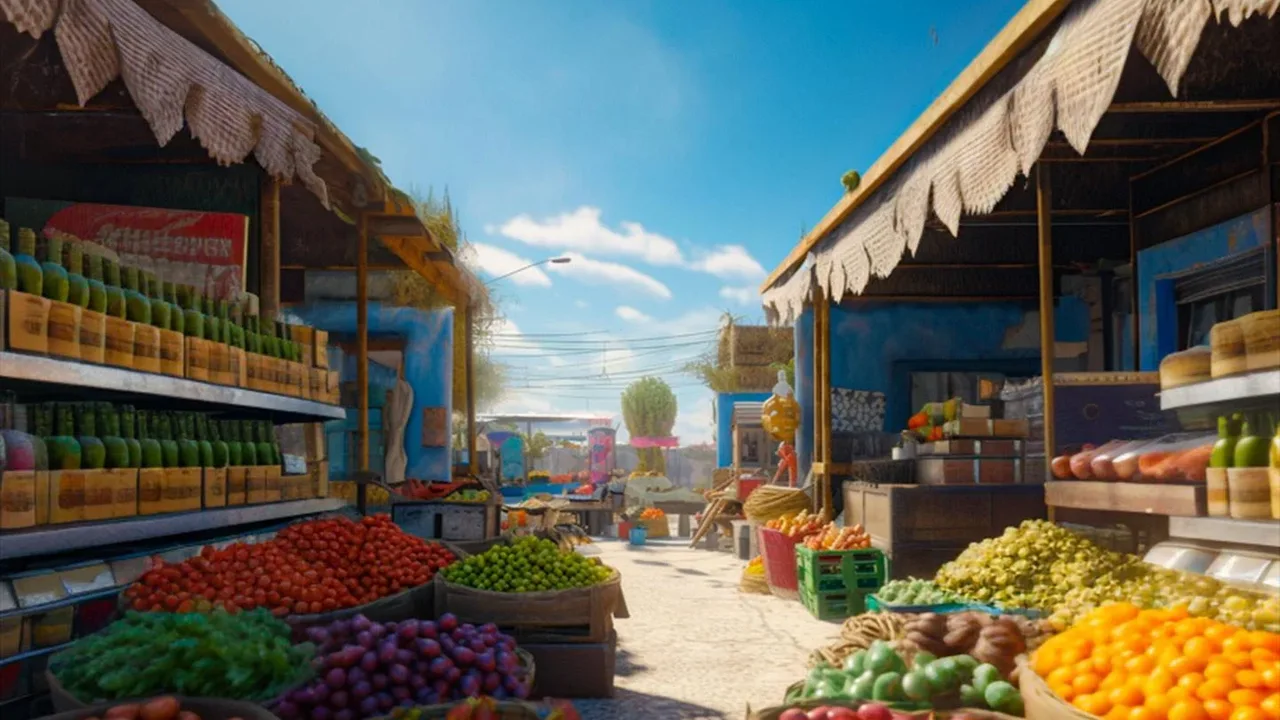
The familiar story of soaring onion or tomato prices is just one chapter in a much larger book of rising costs. According to the government's recent economic report and analysis from market intelligence firms, the price pressure has broadened significantly.
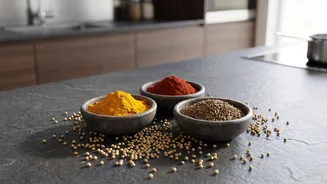
The latest data from August 2026 shows that the cost of a home-cooked meal, or thali, has increased year-on-year, with a vegetarian thali up by 4% and a non-vegetarian thali by 9%. This isn't just because of one item. Key staples like edible oils, pulses, sugar, and even cooking gas have all become more expensive. For instance, prices for various edible oils have jumped by over 10%, while pulses like tur and urad dal have also seen notable increases. This shift indicates a more systemic inflationary trend that affects nearly every part of a typical Indian meal.
The Weather's Wide-Reaching Impact
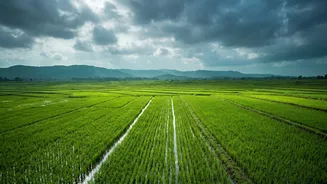
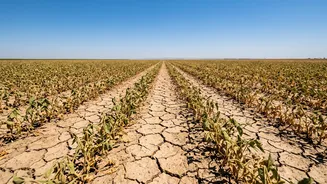
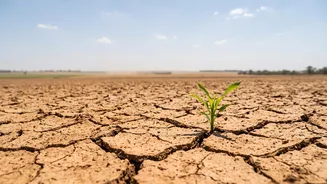
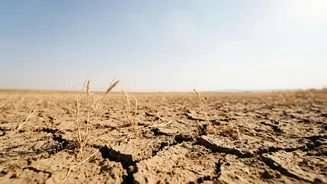
A primary driver behind this broad-based inflation is the erratic 2026 monsoon. A weaker-than-normal rainy season, with a significant deficit recorded through August, is threatening a range of key kharif crops. This isn't just about vegetables; staples like rice, pulses, soybeans, and sugarcane are all under stress due to poor rainfall and insufficient soil moisture. The Finance Ministry's August 2026 report highlighted that an intensifying El Niño, expected to peak late in the year, poses a significant risk to crop yields and food prices, with the impact potentially extending to the upcoming Rabi season for crops like wheat and mustard. This widespread weather disruption creates a domino effect, reducing harvests and tightening supply across the agricultural board, well beyond a single region or crop.
A Shift to Proteins and Processed Foods
The nature of food inflation is also changing. A recent Finance Ministry report noted a compositional shift, with protein-rich items and processed foods emerging as key drivers of price pressure. Items like chicken, mutton, fish, and milk have recorded notable inflation. The cost of a non-vegetarian thali saw a sharper increase, largely due to a 14% year-on-year rise in broiler chicken prices, fuelled by higher feed costs. Simultaneously, the costs for processed foods, including sugar, confectionery, and beverages, have been contributing more to the overall food and beverages inflation index. This suggests that inflation is no longer confined to raw produce but is now also embedded in value-added and protein-based products, reflecting deeper structural shifts in both supply and consumer demand.
The Squeeze from Oils, Fuel, and Gas
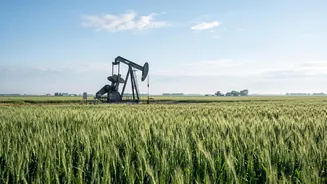
The pain at the checkout counter is being compounded by factors beyond the farm gate. The cost of cooking itself has risen, with LPG cylinder prices up around 10% year-on-year as of July. Furthermore, India's heavy reliance on imported edible oils—including palm, soybean, and sunflower oils—makes it vulnerable to global price shocks. Global vegetable oil prices have remained high, leading to a steady rise in domestic edible oil inflation, which hit 7.84% in July. Rising fuel costs also have a cascading effect, increasing transportation expenses for moving produce from farms to markets, which inevitably gets passed on to the consumer. This 'cost-push' inflation means that even if crop prices were stable, the journey to your kitchen would still make them more expensive.