


As winter's chill settles across much of the country, South India's sprawling coastline offers a perfect, sun-drenched escape. With pleasant weather from October to March, it's the ideal time to trade heavy jackets for swimwear and explore.
Varkala, Kerala: Cliffs and Cafes
Varkala is
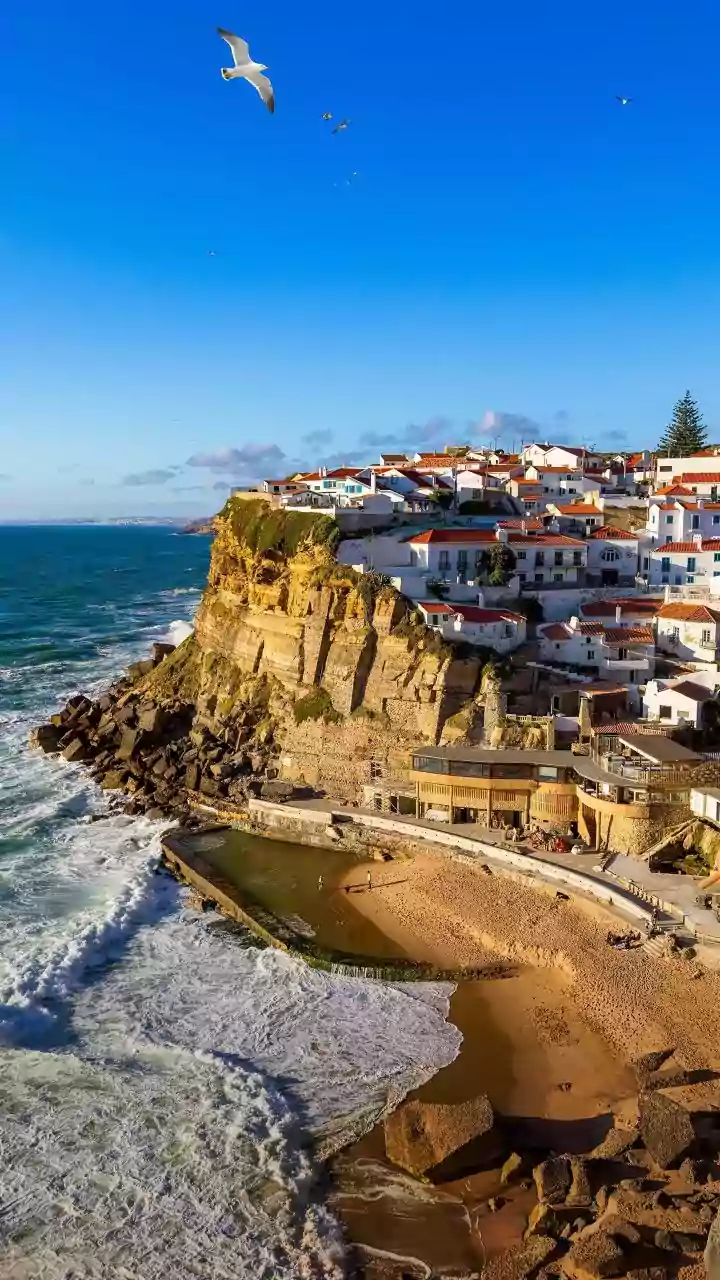
unique among South Indian beaches for its stunning red laterite cliffs that run adjacent to the Arabian Sea. This geological feature not only provides breathtaking sunset views but also hosts a vibrant clifftop strip of cafes, yoga studios, and shops. The main Papanasam Beach is believed to have holy waters that wash away sins, adding a spiritual dimension to your visit. While the main beach is popular, a short walk north takes you to the quieter Black Beach, named for its patches of black sand. The sea can have strong currents, so it's best to swim where lifeguards are present. Beyond the beach, Varkala is a hub for wellness, with numerous centres offering Ayurvedic treatments and yoga classes. The town also has a 2,000-year-old temple, the Janardhana Swamy Temple, located near the main beach.
Gokarna, Karnataka: A Quieter Goa
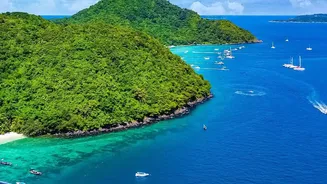
Often described as a more laid-back version of Goa, Gokarna offers a string of pristine beaches perfect for those seeking tranquility over parties. The town itself is a significant Hindu pilgrimage site, which has helped preserve its serene atmosphere. The beaches are the main draw for travellers. Kudle Beach is a long, crescent-shaped stretch of sand known for its relaxed vibe and sunset drum circles, while Om Beach is famous for its natural shape resembling the 'Om' symbol and offers activities like kayaking and banana boat rides. For the more adventurous, a popular coastal trek connects Kudle and Om to the more secluded Half Moon and Paradise beaches, which are accessible only by trail or boat. Paradise Beach, in particular, lives up to its name as an unspoiled cove perfect for camping and disconnecting, with minimal commercial activity.
Marari Beach, Kerala: A Hammock Haven
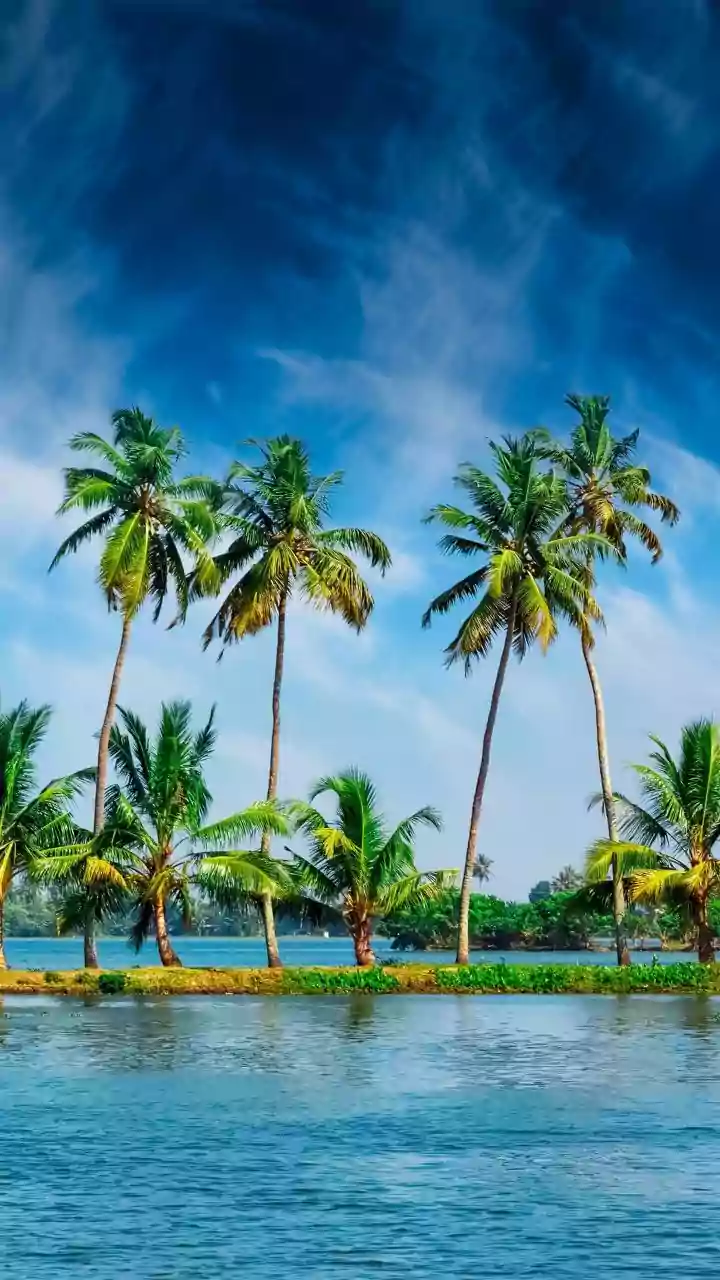
If your ideal beach day involves little more than a good book and a comfortable hammock, Marari Beach is your destination. National Geographic once named it one of the world's top hammock beaches, a title it still deserves. Located near Alleppey (Alappuzha), Marari is a quiet fishing village where life moves at a slower pace. The long, clean shoreline is fringed with coconut palms and is largely free of commercial shacks, offering a peaceful retreat. The best activity here is simply relaxing and observing local life, such as watching fishermen haul in their nets at dawn. For a change of scenery, Marari serves as an excellent base to explore the famous Kerala backwaters. You can take day cruises, go kayaking through narrow canals, or cycle through the surrounding villages to get a fuller experience of the region's culture and natural beauty.
Dhanushkodi, Tamil Nadu: The Ghost Town at Land's End
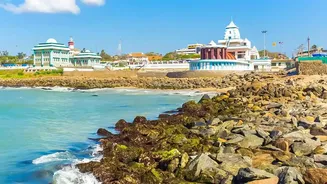
For a truly unique and dramatic coastal experience, head to Dhanushkodi at the southeastern tip of Pamban Island. Often called the 'last land of India', this is where the Bay of Bengal and the Indian Ocean meet. The main attraction is Arichal Munai, the point of confluence, where you can see the calm waters of the bay on one side and the rougher ocean on the other. Dhanushkodi was a bustling port town until it was destroyed by a cyclone in 1964, and today you can explore its poignant ruins, including a church and a railway station. The drive to Dhanushkodi is an adventure in itself, with the sea on both sides of the road. While swimming is generally discouraged due to strong currents, the beach's stark, windswept beauty is unforgettable. Due to its remote and exposed location, visitors are usually required to leave by the early evening, making it a powerful day trip from the nearby town of Rameswaram.