







The Science of Sight
The connection between how food looks and how we perceive it is a growing field of study. Multiple studies have found that when the same exact food is presented in two different ways—one neat and orderly, the other messy and chaotic—people consistently
rate the neat version more favourably. This isn't just about taste; it extends to how much they are willing to pay for it and their assumptions about the quality of the restaurant it came from. The brain, it seems, is wired to appreciate order. Symmetrical and balanced arrangements are often perceived as more appealing, which in turn primes us for a more positive eating experience before we even take a bite. Our visual senses get the first vote, and they send powerful signals to the brain that shape our expectations of flavour and satisfaction.
The 'Pretty is Healthy' Bias
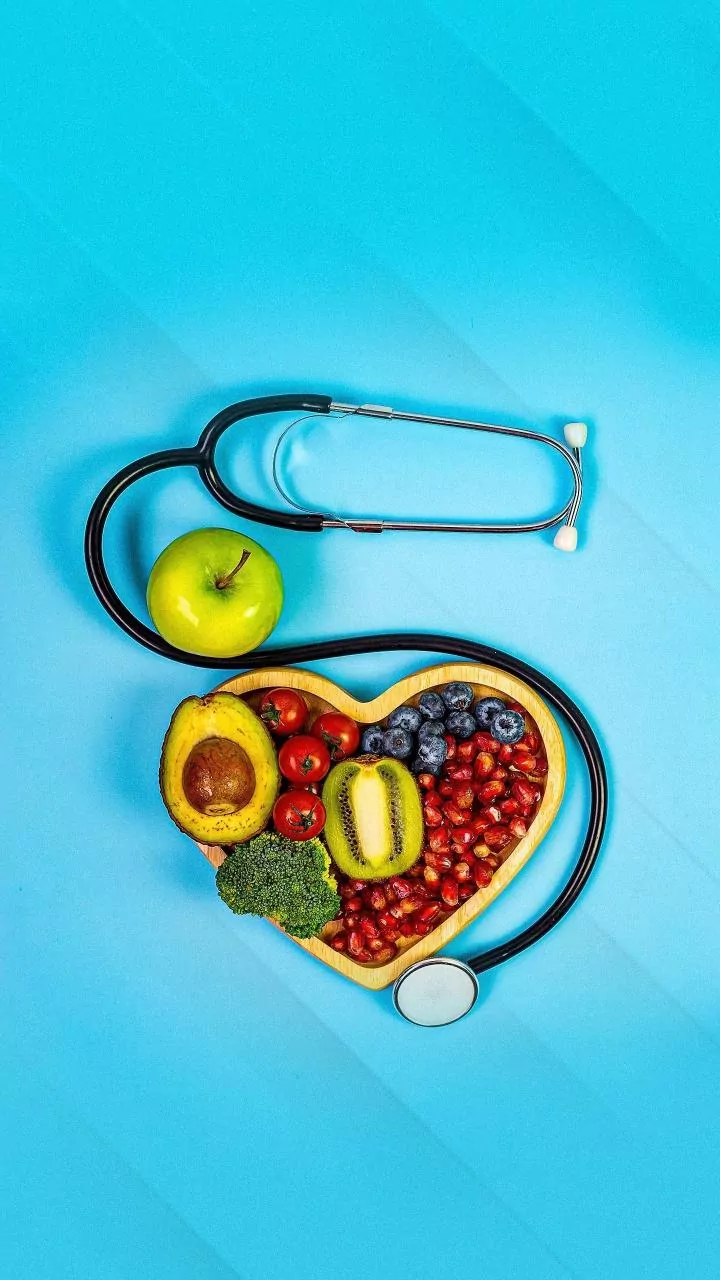
One of the most fascinating findings is the link between presentation and perceived healthiness. A key study led by researcher Linda Hagen found that 'pretty' food—defined by orderly, symmetrical, and balanced patterns—is consistently judged as healthier than its 'ugly' counterpart, even when participants know the ingredients are identical. This phenomenon is driven by a subconscious association: we link the classical aesthetics of order and balance with nature. Participants in the study rated pretty food as seeming more 'natural', which then created a 'health halo' around the dish. In essence, our brains use a mental shortcut: if it looks neat and orderly like something from nature, it must be good for us. This bias is so strong that it persists even when there's a monetary incentive to accurately guess which dish has fewer calories.
Order on the Plate, Calm in the Mind
Why does neatness have such a profound effect? The psychology goes beyond just beauty. A clean, well-organised plate signals care, professionalism, and hygiene. This reassures us that the food was prepared with attention and expertise, which can make us feel more confident about eating it. Conversely, a messy plate can suggest carelessness, which might subconsciously trigger concerns about quality or even contamination. For example, one study found that animal-based foods were more likely to be judged as contaminated when presented messily. The order on the plate seems to bring a sense of order to our perception, making the entire dining experience feel more positive and controlled. This can even improve a person's mood, as seen in studies on food presentation in healthcare settings.
Putting it into Practice at Home
The good news is that you don’t need to be a professional chef to leverage this psychological trick. The 'simple technique' is just that: simplicity and order. When plating your next meal, try arranging the components with intention instead of just piling them on. Think about creating balance and symmetry. Place the main item in the centre. Arrange vegetables in a neat pattern or a colourful arc. If you are having dal and rice, serve them in clean, separate portions rather than letting them bleed together. Using an odd number of elements on the plate, like three kebabs instead of four, can also be more visually interesting. These small, mindful actions can enhance your own and your family's enjoyment and appreciation of the food, potentially even encouraging healthier eating habits by making nutritious foods more visually appealing.