

From Humble Grain to Dessert Star
For generations, millets like jowar, bajra, and ragi were dietary staples in India, valued for their resilience but often viewed as coarse or 'poor man's food'. The Green Revolution's focus on wheat and rice pushed these ancient grains to the background.
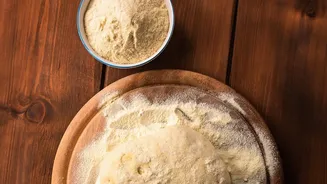
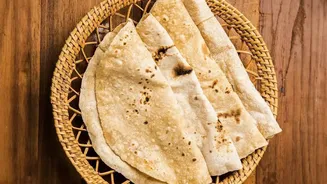
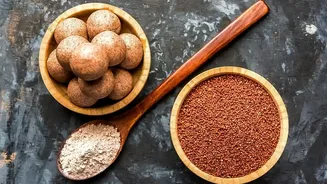
However, a recent cultural and culinary shift has put millets back in the spotlight. Driven by a global search for superfoods and a renewed appreciation for traditional ingredients, millets are now celebrated for their versatility and nutritional prowess. This revival isn't just about bringing back porridges and rotis; it's about reinvention. Chefs and home bakers are now using millet flours to create sophisticated desserts that challenge the dominance of refined flour (maida).
A Nutritional Upgrade for Your Sweet Tooth
The primary driver behind the millet dessert trend is health. Unlike desserts made with refined flour and sugar, which can cause blood sugar spikes, millet-based sweets offer significant nutritional benefits. Millets are naturally gluten-free, making them an excellent choice for those with gluten sensitivities. They are packed with dietary fiber, which aids digestion and promotes a feeling of fullness, potentially helping with weight management. Furthermore, millets have a lower glycemic index compared to refined grains, leading to a more stable impact on blood sugar levels. They are also a powerhouse of essential nutrients, including protein, iron, magnesium, and calcium, turning what was once an empty-calorie treat into a genuinely nourishing one.
The Creative Canvas of Millet Sweets
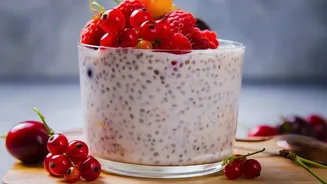
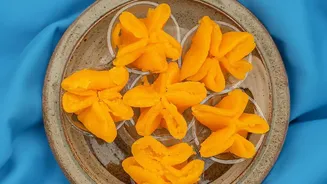
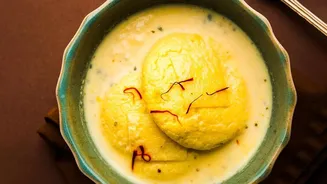
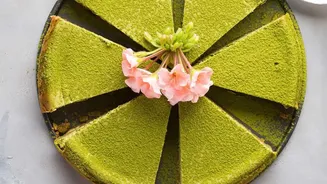
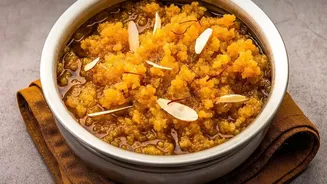
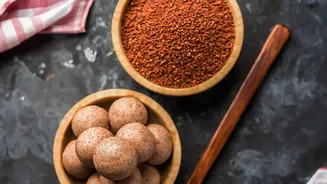
The distinction between a simple 'sweet dish' and a 'dessert' is key to understanding this trend. While traditional sweet millet preparations like payasam (kheer) and ladoos have always existed, the new wave is about innovation. We're now seeing millet flour being used to create modern classics. Think of fudgy ragi brownies, fluffy foxtail millet cakes, and crunchy bajra cookies. Creative bakers are swapping rice flour for millet flour in traditional recipes like the Goan bebinca and Keralan ela ada, giving them a nutty, earthy depth. Even Western-style puddings, crumbles, and pies are getting a millet makeover, using whole cooked millet or millet flakes for added texture and nutrition. This creative explosion demonstrates that millets are not just a substitute ingredient but a star player capable of creating unique and delicious desserts.
More Than Just a Passing Fad
The significance of millet desserts extends beyond the kitchen. It represents a confluence of major cultural and agricultural movements. Initiatives like the UN's declaration of 2023 as the 'International Year of Millets', heavily promoted by India, have boosted awareness and encouraged consumption. This governmental push supports farmers in arid regions, as millets are hardy, drought-resistant crops that require less water than rice and wheat, making them a sustainable choice in a changing climate. For consumers, choosing a millet dessert is about more than just a health-conscious decision; it's a vote for biodiversity, sustainable agriculture, and the revival of India’s rich culinary heritage. It signals a return to roots, where traditional knowledge is being blended with modern tastes to create something new and meaningful.