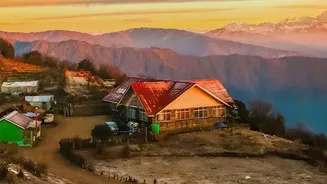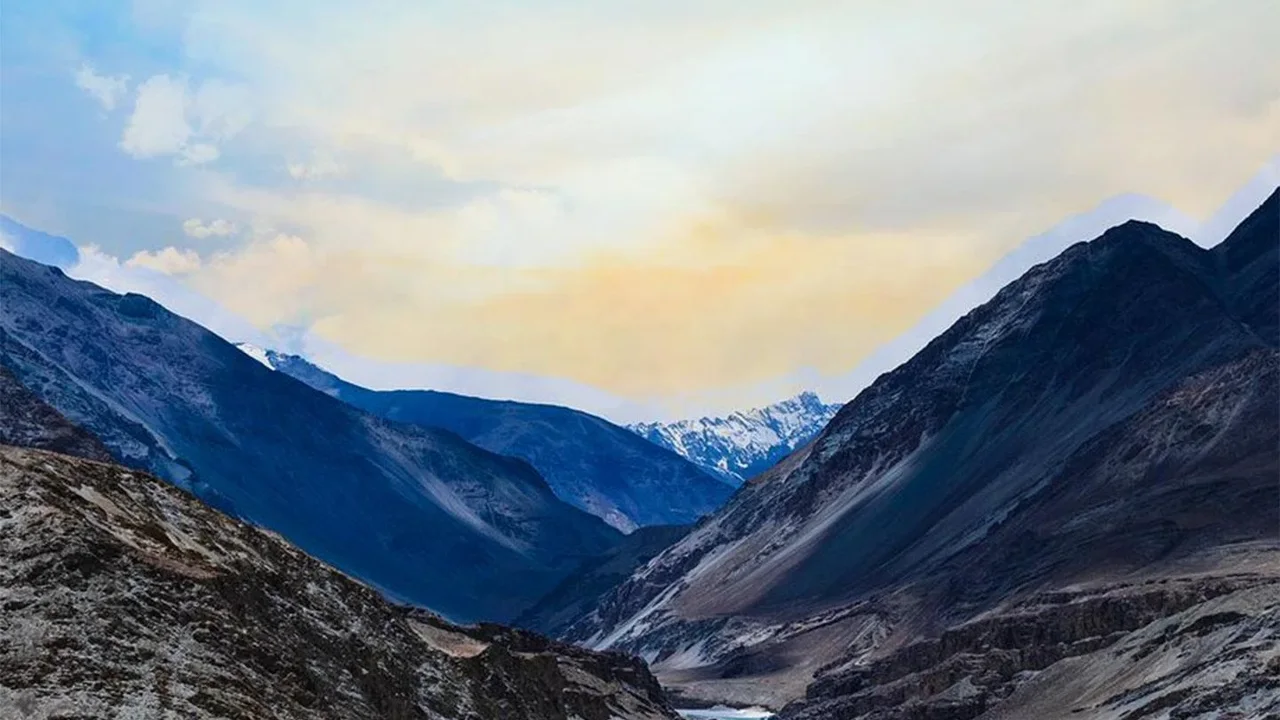




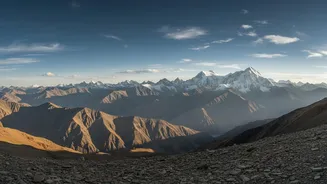
Why is Dong Valley So Special?
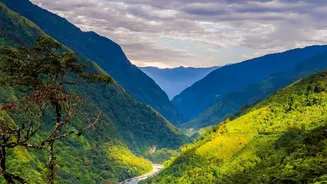
Tucked away in the Anjaw district, where India, Myanmar, and China nearly meet, Dong Valley is a place of geographical significance and immense natural beauty. In 1999, it was officially confirmed that this valley witnesses India's first sunrise. Ever
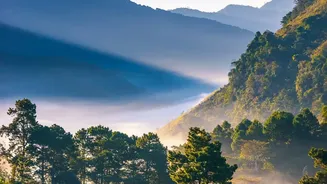
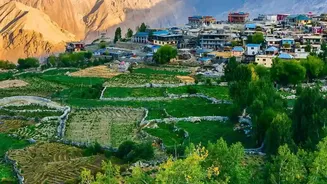
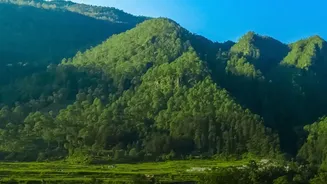
since a celebration was held here to mark the millennium's first dawn on January 1, 2000, it has been on the bucket list of avid travellers. The experience isn't just about the early light; it's about the journey to a land inhabited by the Meyor tribe, surrounded by pristine pine forests and the roaring Lohit River.
Planning Your Journey to the East
Reaching Dong Valley is an adventure in itself. The most common starting point is Dibrugarh in Assam, which has the nearest major airport and railway station (New Tinsukia Junction). From Dibrugarh, it's a multi-day road trip of approximately 400 kilometres. The journey is typically broken down with an overnight halt. A popular route takes you from Dibrugarh to Tezu, then onward to Hayuliang and finally Walong, the main town near Dong. Be prepared for winding mountain roads. It's crucial to refuel your vehicle completely in a larger town like Tezu, as fuel stations become scarce further ahead, with the last one being in Khupa before Walong.
The Essential Inner Line Permit (ILP)
You cannot enter Arunachal Pradesh without a permit. For Indian citizens, this mandatory document is the Inner Line Permit (ILP). It's a protective measure for the state's indigenous communities and sensitive border areas. You can apply for an ILP online through the official Arunachal Pradesh government portal. The process typically takes a few working days, so it's wise to apply at least two to three weeks before your travel dates. You will need a valid government ID and a passport-sized photograph. The permit is checked at the entry gate to the state and at various checkpoints within.
The Pre-Dawn Trek for the First Sunrise
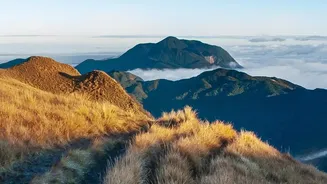
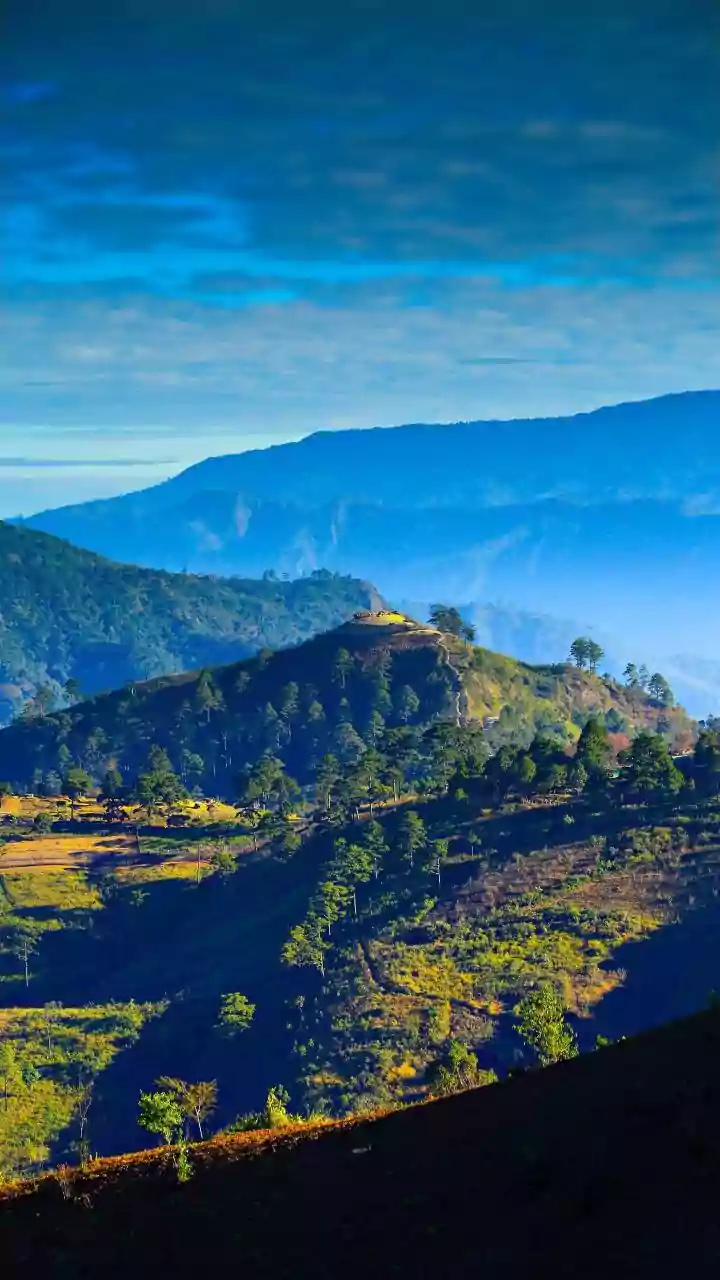
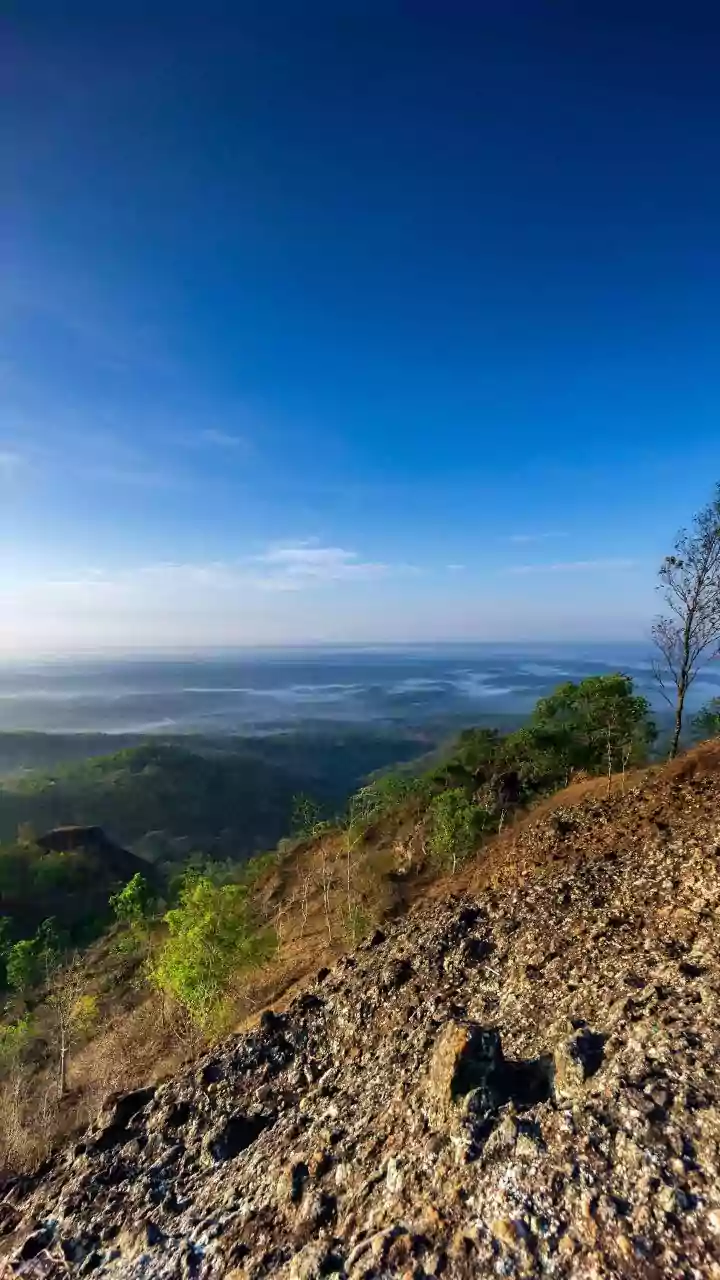
The highlight of the trip is the trek to Millennium Point, the vantage point for the sunrise. To catch the first rays, which can appear as early as 4:30 AM, your trek must begin in complete darkness around 2 AM. The trek starts from a point near Walong, involving a steady uphill climb through pine forests for about 1.5 to 2 hours. Hiring a local guide from the Meyor community is highly recommended; they are familiar with the trail and enrich the experience with their knowledge. The reward is watching the sun's first light spectacularly illuminate the peaks opposite you, a truly unique sight compared to a typical horizon sunrise.
Where to Stay and When to Go
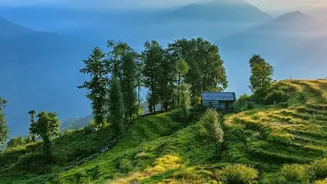
Accommodation is concentrated in Walong, the closest town to Dong. Options are basic but authentic, primarily consisting of homestays and a few guesthouses. Staying in a homestay like Anu Nimai or Nomkholong offers a chance to experience local hospitality. Some cottages and resorts are also available in the area. The best time to visit for clear skies and the best sunrise views is during the post-monsoon and winter months, from October to March. The spring months of April and May also offer pleasant weather before the monsoon arrives.
Exploring Beyond the Sunrise
While the sunrise is the main draw, the Anjaw district offers much more. Spend time exploring Walong, a town with a significant history related to the 1962 war; the Walong War Memorial is a moving tribute to the soldiers who fought there. You can also drive further north to Kibithu and Kaho, the easternmost motorable villages of India, for a sense of being at the very edge of the country. The region is dotted with beautiful suspension bridges over the vibrant blue Lohit River and offers opportunities for serene nature walks and birdwatching.