




The Space-Age Origins of a Green Idea
The belief that houseplants can clean indoor air is largely thanks to a study conducted by NASA in 1989. Led by scientist Dr. B.C. Wolverton, the NASA Clean Air Study wasn't initially aimed at homes, but at space stations. In the 1970s, scientists had
detected hundreds of volatile organic compounds (VOCs) inside the Skylab space station, released by the synthetic materials used in its construction. With plans for more advanced, tightly sealed space habitats, NASA needed a sustainable way to keep the air clean for astronauts. Wolverton and his team began investigating whether common houseplants could act as natural, low-cost air filters.
What are VOCs?
Volatile Organic Compounds, or VOCs, are gases emitted from thousands of everyday products. Things like paints, cleaning supplies, air fresheners, new furniture, carpets, printers, and even cosmetics can release these chemicals into the air. Common examples include benzene, formaldehyde, and trichloroethylene. According to the U.S. Environmental Protection Agency, concentrations of many VOCs are consistently up to ten times higher indoors than outdoors, as they get trapped inside our increasingly well-insulated and sealed homes and offices.
The Famous Chamber Experiment
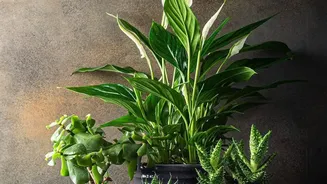
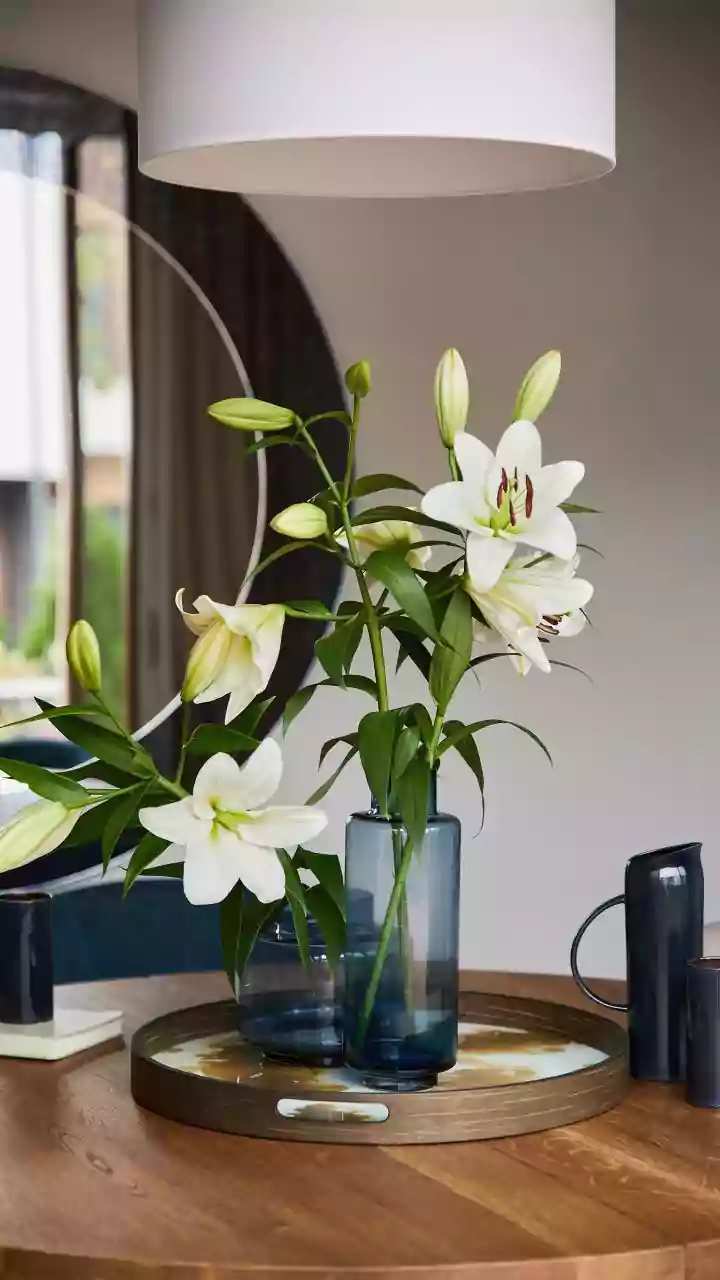
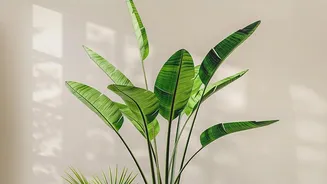
To test their theory, the NASA scientists placed individual plants inside small, sealed plexiglass chambers—typically about one cubic meter in size. They then injected a single VOC, like benzene or formaldehyde, into the chamber and measured how the concentration of that chemical changed over a 24-hour period. The results were impressive. The study reported that some plants could remove up to 90% of specific chemicals from the sealed chambers. For instance, the Peace Lily was found to be effective against formaldehyde, benzene, and trichloroethylene, while the Snake Plant was good at removing formaldehyde and benzene. The research also highlighted that microorganisms in the potting soil played a significant role in this purification process.
The Lab vs. The Living Room
Here's where the popular understanding often diverges from the science. The NASA study was conducted under highly controlled laboratory conditions that don't mirror a typical home. The key difference is ventilation. The test chambers were completely sealed, whereas a normal house or apartment has a constant flow of air through windows, doors, and ventilation systems. This natural air exchange already does a significant job of diluting and removing pollutants. In a real-world setting, the slow rate at which a plant absorbs VOCs is much less impactful compared to the effect of just opening a window.
The Question of Scale
Subsequent research has put the NASA findings into perspective. A 2019 review that analysed decades of studies on the topic concluded that you would need an enormous number of plants to make a meaningful difference to indoor air quality. The researchers calculated that to achieve the same air-cleaning rate as a building's standard ventilation system, you would need to place between 10 to 1,000 plants per square meter of floor space. To put that in perspective, a small 500-square-foot room would require over 450 plants to have a significant air-purifying effect. For most people, that's simply not practical.
More Than Just Air Purifiers
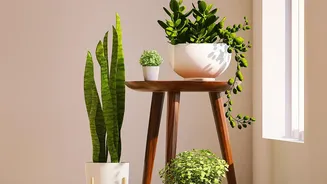
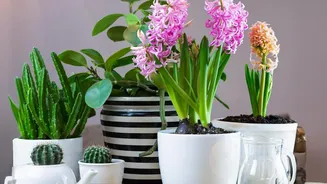
This doesn't mean your houseplants are useless. While they may not be the powerful air-purifying machines they're often claimed to be, their benefits are still very real. Numerous studies have shown that having plants indoors can reduce stress, boost mood, and improve our overall sense of well-being. They add life and beauty to our spaces and connect us with nature. So, while you shouldn't rely on your spider plant to single-handedly fight off indoor pollutants, you should absolutely continue to enjoy it for the aesthetic appeal and psychological boost it provides.