


The Science Behind the Sickness
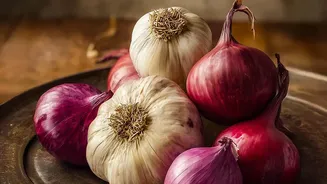
Onions, garlic, chives, and leeks all belong to the Allium plant family. These plants contain sulfur-based compounds called disulfides and thiosulfates which, while harmless to humans, are toxic to dogs and cats. When a pet ingests these compounds, they
cause oxidative damage to their red blood cells. This damage makes the cells fragile and causes them to rupture, a condition known as hemolytic anemia. These vital red blood cells are responsible for carrying oxygen throughout the body, and when they are destroyed faster than the body can produce new ones, it can lead to severe oxygen deprivation and organ damage.
All Forms, All Dangerous
It's a common misconception that cooking these ingredients makes them safe for pets. This is not true. Whether they are raw, cooked, dried, or in powdered form, all members of the Allium family remain toxic. In fact, dehydrated products like garlic powder or onion soup mix are even more dangerous because the toxins are highly concentrated. A small amount of powder can be equivalent to a much larger amount of the fresh vegetable, increasing the risk of poisoning from what might seem like a tiny portion. This includes foods seasoned with these powders, such as some baby foods or gravies, which are sometimes given to unwell pets.
Which Pets Are Most at Risk?
While all dogs and cats are susceptible to Allium toxicity, cats are considered more vulnerable. Their hemoglobin is simply more prone to the type of oxidative damage these plants cause. Among dogs, certain Japanese breeds like the Akita and Shiba Inu have a genetic trait that makes their red blood cells more sensitive to this type of damage. Ultimately, toxicity is dose-dependent, meaning a larger animal would need to ingest more than a smaller one to suffer the same effects. However, even small, repeated exposures can lead to cumulative damage over time.
Symptoms of Allium Poisoning
Signs of poisoning may not appear immediately; it can take several days for the damage to red blood cells to become apparent. Initial symptoms may include gastrointestinal upset like vomiting, diarrhea, abdominal pain, or loss of appetite. As the anemia develops, you might notice more severe signs such as lethargy, weakness, pale gums, a rapid heart rate, and increased panting. One of the most distinctive signs is dark, reddish-brown urine, which is caused by the byproducts of the destroyed red blood cells being filtered out by the kidneys.
What to Do in an Emergency
If you suspect your pet has eaten any amount of onion, garlic, chives, or leeks, it's crucial to act fast. Contact your veterinarian or an animal poison control helpline immediately for advice. Do not try to induce vomiting at home unless specifically instructed to do so by a veterinary professional. Depending on how recently the food was ingested, your vet may induce vomiting or administer activated charcoal to absorb the remaining toxins in the stomach. In severe cases where significant anemia has occurred, a pet may require hospitalization, IV fluids to protect the kidneys, oxygen therapy, and even a blood transfusion.
Prevention is the Best Protection
Keeping your pet safe from Allium poisoning is all about prevention. Be vigilant while cooking and make sure no stray pieces of onion or garlic fall on the floor. Avoid sharing table scraps, especially from seasoned dishes. Secure your bins to prevent curious pets from rummaging through them. When buying pet treats or making your own, always double-check the ingredients list for onion or garlic powder. Creating a safe food environment is one of the most important things you can do for your pet's health and well-being.