


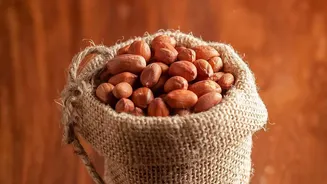
The Soul of Street-Style Peanuts
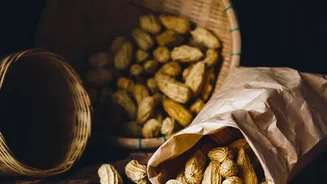
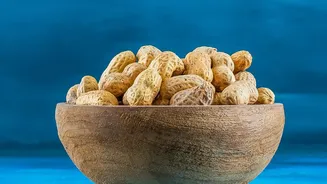
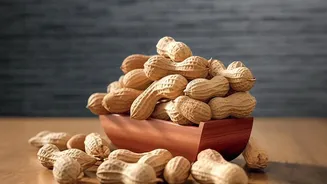
For many, the simple joy of buying a paper cone of hot, salt-roasted peanuts, or 'bhuna singdana', is a cherished memory. It's a snack associated with bustling markets, evening strolls, and train journeys. Unlike peanuts roasted in an oven or fried in oil,
this traditional method involves tossing raw peanuts in a large wok, or kadhai, filled with hot coarse salt or sometimes sand. This technique, a form of dry roasting, is what imparts the uniquely uniform toast and unmistakable texture that makes them so addictive. The salt itself isn't meant for seasoning in the way you might think; very little of it actually sticks to the shelled nut. Instead, its primary role is as a medium for cooking, a secret that elevates the humble peanut to snack perfection.
Why Hot Salt Is the Secret
The headline holds the key: the salt must be hot before the peanuts are added. This isn't just a suggestion; it's the core of the entire method. When you add peanuts to an already-hot bed of salt, you are creating a perfect environment for even, indirect heating. The thousands of hot salt crystals surround each peanut, transferring heat gently and uniformly from all sides. This prevents the dreaded scenario of scorched spots on the outside while the inside remains raw. The hot salt acts as a thermal buffer, ensuring the nuts roast through completely without burning. This constant, dry heat also excels at drawing out moisture from the peanuts efficiently, which is the key to achieving a superior crunch that lasts.
The Science of the Perfect Crunch
Putting peanuts into a cold bed of salt and heating them together is a common mistake that yields soggy, unevenly cooked results. The magic of preheating lies in food science. When peanuts are introduced to the hot salt, the immediate, intense heat causes the moisture within the nut to turn to steam and escape. This rapid dehydration is what creates a fantastically crisp texture. The salt’s granular nature allows this steam to vent away from the peanuts, preventing them from steaming themselves. Furthermore, this dry-roasting method triggers the Maillard reaction—a chemical process between amino acids and sugars that creates the deep, nutty, and complex roasted flavour we all love. Without the consistent, enveloping heat of a pre-heated salt bed, this reaction happens unevenly, leading to a less flavourful and satisfying snack.
Your Guide to Roasting Peanuts at Home
Recreating this iconic snack is surprisingly simple if you follow the right steps. First, choose your vessel: a heavy-bottomed kadhai or a thick wok is ideal as it retains and distributes heat well. Fill it with about two to three inches of coarse sea salt or rock salt. Heat the kadhai on medium-high heat, letting the salt get thoroughly hot. You can test it by carefully flicking a single drop of water in; if it sizzles and evaporates instantly, you're ready. Now, add your raw, shelled peanuts. The key from this point on is constant motion. Use a metal spatula to stir the peanuts continuously, ensuring they are always moving and circulating within the hot salt. After about 10-15 minutes, they will darken slightly and you may hear them start to pop. This indicates they are done. Immediately remove the peanuts from the heat using a slotted spoon or a metal sieve to separate them from the salt. Let them cool completely on a plate, as they will continue to crisp up as they cool down.
Common Mistakes and Pro Tips
To ensure success, avoid a few common pitfalls. The most obvious, as we've discussed, is not preheating the salt. Another is using fine table salt; its small granules can stick to the peanuts and make them overly saline. Coarse salt is best. Don't stop stirring! Leaving the peanuts to sit in one spot, even for a moment, can lead to scorching. Finally, don't be afraid to reuse your roasting salt. Once it cools, you can store it in an airtight container and use it for your next batch of roasted nuts. This method isn’t just for peanuts either; you can use the same technique for cashews, almonds, and chickpeas for a healthy, oil-free snack.