



A Different Clockwork for a Famous Flower
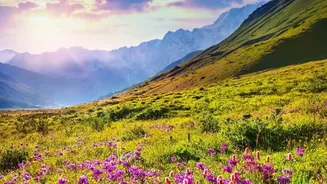
The most crucial update for the 2026 Neelakurinji bloom is its location and timing, which has surprised many enthusiasts. The main event is not happening in the famous Eravikulam National Park, which last saw a mass flowering in 2018 and is expected to
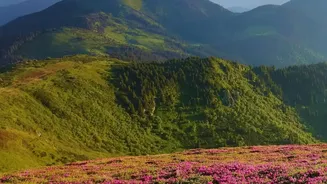
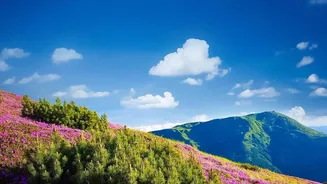
bloom next in 2030. Instead, the current spectacle is unfolding in different parts of Munnar, primarily across the Chokramudi and Korandakkad hills near Mattupetty. This is because different populations of the same Neelakurinji species (Strobilanthes kunthiana) operate on separate 12-year cycles. The flowers currently carpeting the hillsides near Mattupetty last bloomed in 2014, making 2026 their scheduled return. This offers a rare opportunity for those who missed the 2018 event or can't wait until 2030 to witness this natural wonder.
The Science of a Once-in-12-Years Miracle
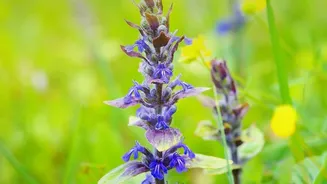
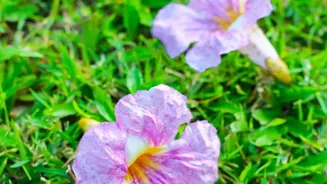
The Neelakurinji is a shrub endemic to the high-altitude shola grasslands of the Western Ghats. It belongs to a category of plants known as plietesials, or long-interval bloomers. The plant is monocarpic, meaning it flowers only once in its lifetime, sets seeds, and then dies. This synchronized mass flowering is a remarkable evolutionary strategy. By blooming all at once, the plants overwhelm seed predators and maximize the chances of pollination, often aided by a surge in the local bee population. This ensures the survival of the next generation, which will patiently wait another 12 years to repeat the cycle. For centuries, the Paliyan tribal community has even used the Neelakurinji's predictable cycle to calculate their age.
Your Guide to Witnessing the 2026 Bloom
For travelers hoping to see the flowers this year, the focus should be on areas outside Eravikulam National Park. The main viewing zones for the September-October 2026 season are the Chokramudi hills and the region around Korandakkad and Mattupetty. Forest officials opened a designated viewing area in Chokramudi to visitors on August 24, 2026. Entry fees have been set, with authorities planning for online slot booking to manage the expected crowds and protect the fragile ecosystem. Visitors are advised to book travel and accommodation well in advance, as Munnar sees a massive influx of tourists during the flowering season. The nearest major transport hubs are Aluva railway station and Cochin International Airport, both approximately 110-120 km from Munnar.
Conservation in the Face of Popularity
The return of the Neelakurinji is a significant boon for local tourism, but it also brings immense responsibility. The shola grasslands where these flowers thrive are delicate ecosystems. To protect this natural heritage, authorities have issued strict guidelines for visitors. Tourists are urged to stay on designated trails and admire the flowers from a distance. Plucking, touching, or trampling the plants is strictly prohibited. These areas are also designated as no-plastic zones to prevent pollution. The plants play a vital role in the local ecology, helping to prevent soil erosion on the steep slopes. Responsible tourism is key to ensuring that this rare spectacle can be enjoyed by future generations. Authorities are managing visitor numbers based on the carrying capacity of the sites to minimize environmental impact.