






The Science of Thirsty Clay
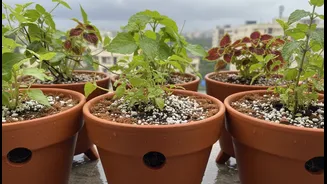
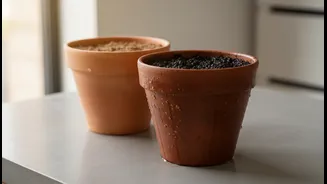
Unglazed terracotta pots, a favourite in Indian gardens, are made from natural clay fired at relatively low temperatures. This process leaves them porous, filled with thousands of microscopic air pockets. Think of the pot's wall as a very dense sponge.
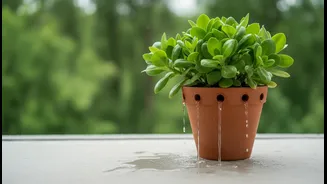
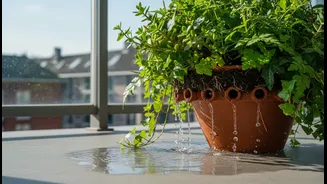
When you water your plant, this “sponge” does its job: it absorbs water. Not only does the soil get a drink, but the pot itself becomes saturated. This is why a new pot darkens in colour when wet and why it’s recommended to soak new pots for a few hours before planting—to quench their initial thirst so they don't steal moisture from the plant's roots. The ability to absorb water is a feature, not a flaw; it allows the pot to breathe, pulling excess moisture away from the roots and preventing waterlogging, a common issue during monsoon season.
From Light to Heavy: The Numbers
So, how much heavier can a pot get? The increase is significant. Depending on how it's fired, a terracotta pot can absorb between 6% and 12% of its own weight in water. Some lower-fired, more porous pots can absorb even more. But the pot is only part of the equation. The real weight gain comes from the soil inside. Dry potting mix is light, but once saturated with water, its weight can increase dramatically. A 15-gallon planter that is light enough to move when dry can gain up to 40 kgs after a heavy rain, especially if drainage is blocked. A large planter filled with wet soil can easily exceed a hundred kilograms, a factor many people don't consider when placing them.
The Risks for Your Plants
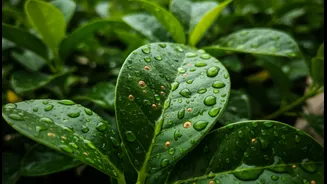
While terracotta's porosity is generally good for plants that prefer drier conditions like succulents and cacti, it can create problems if not managed. The constant dampness in the pot's walls can contribute to a consistently moist environment. If overwatered, the soil can become waterlogged, preventing roots from getting the oxygen they need. This can lead to root rot, a fungal issue that shows up as yellowing leaves, a musty smell from the soil, and a generally unhappy-looking plant. The evaporation from the pot’s surface also wicks moisture away, causing the soil to dry out faster, which might require more frequent watering, especially during India's hot summers.
The Dangers for Your Home
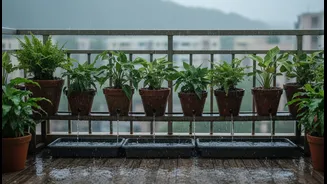
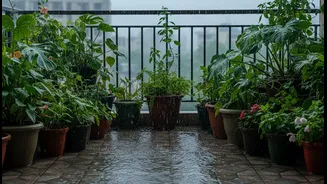
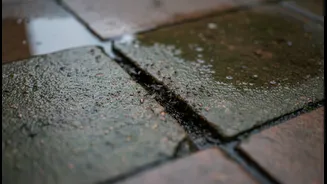
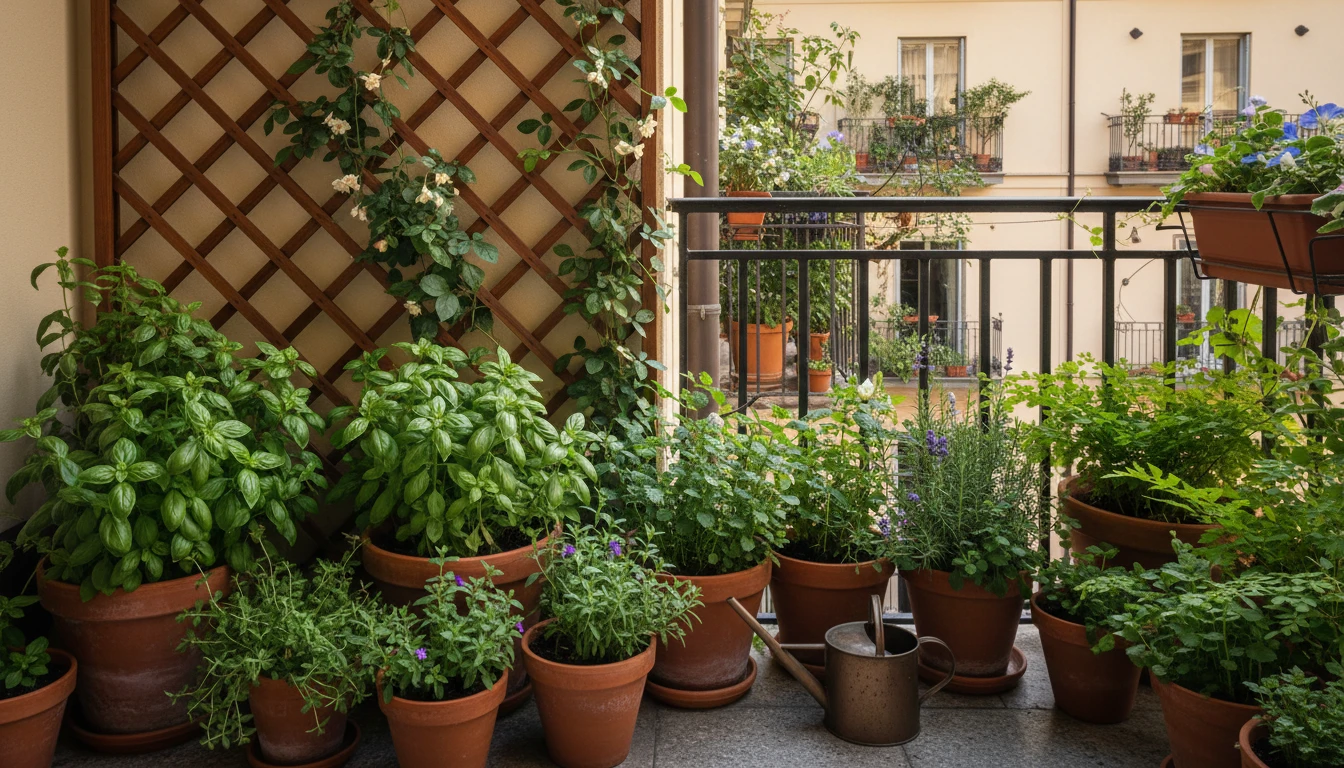
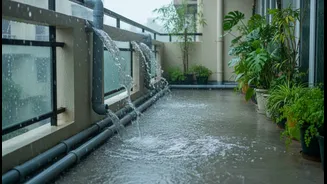
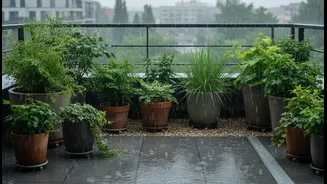
The most overlooked danger of a heavy, wet pot is structural. This is especially critical for urban gardeners in India who rely on balconies and window sills. Most residential balconies are designed to handle a load of about 200-300 kgs per square metre, a limit that can be quickly reached with a few large, waterlogged planters. A single large pot with soaked soil can become a significant point load, putting stress on the structure. The risk is highest along the outer edge of a balcony. Constant moisture seeping from the base of pots can also damage the surface, causing stains and promoting the growth of mould or algae.
Smart Potting Solutions
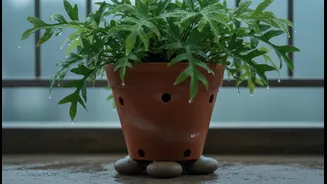
Being aware of the weight change is the first step to becoming a better plant parent. To manage this, always ensure your pots have adequate drainage holes. Elevating pots on small feet or stands helps air circulate underneath and ensures water can escape, preventing the pot from sitting in a puddle. When placing heavy pots on a balcony, position them closer to the main wall of the building, which is structurally stronger than the outer railing. For very large plants on balconies, consider lighter alternatives like fibre pots. When watering, feel the soil first. Water thoroughly only when the top inch or two is dry, and always empty the saucer underneath after a few minutes so the pot isn't re-absorbing excess water.