






Meet the Unwanted Guests
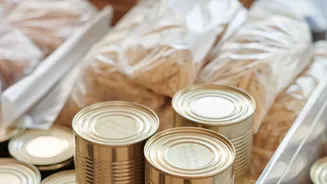
Before you can win the battle, you need to know your enemy. In most Indian kitchens, the primary culprits are small but persistent insects like Indianmeal moths, flour beetles, and rice weevils. These pests often hitch a ride into your home directly from
the grocery store, hidden inside paper bags or cardboard boxes. Their lifecycle is the key to their success; adult moths and beetles lay their eggs in or near a food source. Once hatched, the larvae feast on everything from grains and flours to spices, nuts, and dried fruit. They leave behind droppings, webbing, and contaminated food, turning your pantry into their personal buffet.
The Airtight Fortress Strategy
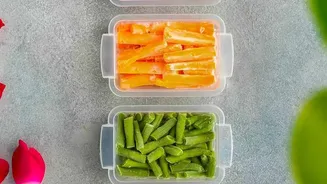
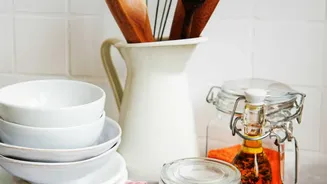
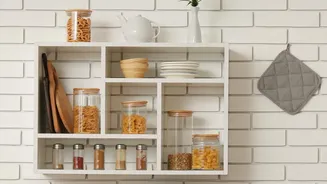
The single most effective step you can take is to transfer dry goods out of their original packaging and into airtight containers. Pests are masters at getting through flimsy paper, cardboard, and thin plastic bags. Heavy-duty plastic or glass containers with strong, sealing lids create a physical barrier they simply cannot penetrate. This strategy works on two levels. First, it blocks pests from getting into your food. Second, if a product you bring home is already infested, the container will quarantine the problem, preventing the pests from spreading to other items in your pantry. Clear containers also allow you to see what you have at a glance, encouraging you to use older items first.
Creating a Dry, Unfriendly Environment
Pests, like all living things, need water to survive. A damp or humid pantry is an open invitation for them to thrive. Moisture can soften cardboard packaging, making it easier for pests to chew through, and high humidity accelerates their reproductive cycles. Even small spills or condensation can create the perfect micro-environment for mold to grow, which some insects also feed on. By ensuring your pantry shelves are always dry, you make the space less hospitable. Immediately wipe up any spills of honey, oil, or sugar. Check for any leaks from pipes or ceilings. Good ventilation is also key; if your pantry is stuffy, consider using a small dehumidifier to keep the moisture level down.
The Power of a Consistent Cleaning Routine
Regular cleaning removes the crumbs, dust, and stray grains that pests rely on for food. A quick weekly wipe-down of shelves can make a huge difference. Every few months, it's wise to perform a deep clean. This involves taking everything off the shelves, vacuuming all the corners and crevices to remove hidden eggs or larvae, and washing the surfaces with soap and water. This is also a perfect opportunity to inspect your stored goods, check expiration dates, and toss anything that looks suspicious or has been sitting for too long. An organized pantry where items aren't crammed together makes cleaning easier and leaves fewer places for pests to hide.
Extra Layers of Defence
Beyond the core three strategies, a few simple habits can further secure your pantry. First, adopt a “first-in, first-out” system for your groceries to ensure older items get used before they can attract pests. When you buy new items, inspect the packaging for any tiny holes or tears before putting them away. For an added natural deterrent, place a few dried bay leaves in your containers of flour and rice or on your pantry shelves. The strong scent of eucalyptol in the leaves naturally repels many common pests like weevils and moths without using chemicals.