




Why the Sudden Protein Push?
Several factors are driving this protein awakening. A growing health and wellness consciousness, amplified by the pandemic, has pushed Indians to look more closely at nutrition. This is combined with rising disposable incomes and the hectic pace of urban
life, which creates a demand for convenient, healthy food options. Furthermore, there is a widespread awareness of a national 'protein gap'; reports indicate that a large portion of the population, often relying on cereal-heavy diets, is protein-deficient. Government campaigns promoting balanced diets have also played a role. This convergence has transformed protein from a niche supplement into a mainstream wellness solution sought by everyone from working professionals to health-conscious seniors.
Dairy Leads the Charge
The dairy aisle is the frontline of this trend. India, being the world's largest milk producer, has a natural advantage in dairy-based proteins like whey and casein. Major players like Amul and Parag Milk Foods are aggressively expanding their portfolios with high-protein versions of paneer, yogurt, milkshakes, and even ice cream. For example, Amul has targeted launching a dozen new high-protein products, while Tamil Nadu-based Milky Mist has introduced high-protein paneer and Skyr, an Icelandic-style yogurt. The high-protein dairy market in India saw significant growth, touching $1.5 billion in 2024. This boom is making protein more accessible and affordable, with options like fortified curd and buttermilk starting at accessible price points.
Snacks and Cereals Get a Makeover
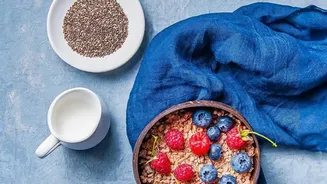
The snacking category, traditionally dominated by carbohydrates, is undergoing a massive transformation. Consumers are swapping traditional biscuits and namkeen for protein-fortified alternatives. Everything from chips and wafers to traditional Indian snacks like makhana (fox nuts) and roasted chana (chickpeas) are being marketed with a protein-first lens. The breakfast table is also changing, with high-protein cereals, oat-based products, and even fortified dosa and idli batter becoming popular. Legacy food companies and agile startups alike are innovating, launching products like protein biscuits, fortified flours, and even besan (gram flour) Maggi noodles to cater to this demand.
Beyond Powders and Bars
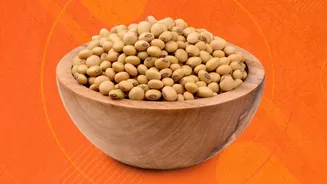
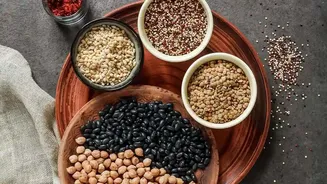
While whey protein powders from brands like Optimum Nutrition and MuscleBlaze still dominate the sports nutrition segment, the focus is expanding. The market for protein bars is projected to grow significantly, serving as convenient post-workout or on-the-go snacks. But the innovation doesn't stop there. Plant-based proteins from peas, soy, and chickpeas are gaining momentum, catering to vegan and lactose-intolerant consumers with brands like Oziva and TrueBasics. Even fast-food chains are getting involved; McDonald's in South India, for instance, introduced a vegetarian protein slice as an add-on for its burgers. The message is clear: consumers want to add protein to every meal, and the industry is racing to provide it in every imaginable format.
The Business of Building Blocks
This trend represents a massive business opportunity. The Indian protein market, valued at around $1.6 billion in 2026, is forecast to reach $2.2 billion by 2031. Quick-commerce platforms have seen a staggering 150% rise in protein-related orders in just two years. This growth isn't just confined to metros like Bengaluru; demand in tier-2 cities such as Nagpur, Jaipur, and Bhubaneswar is growing even faster, indicating a nationwide movement. This has attracted both established FMCG giants like Nestlé and ITC, and a wave of startups, with over 100 operating in the alternative protein space alone. From gym-focused brands to mainstream food producers, everyone is staking a claim in India's protein gold rush.