






Why AI Chips Fly First Class
The microscopic components powering the AI revolution are not ordinary cargo. Graphics Processing Units (GPUs) and other advanced semiconductors are extremely valuable, delicate, and time-sensitive. A single shipment can be worth millions of dollars,
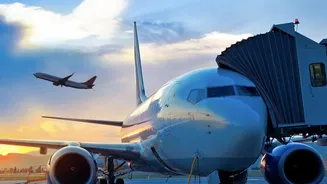
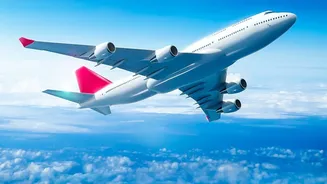
making the speed and security of air freight not just a luxury, but a necessity. Unlike consumer goods that can spend weeks on a container ship, delays in the AI supply chain can stall data centre construction projects worth billions. The urgency is immense; in the race to build AI capacity, companies cannot afford to wait. This has made air transport the default choice for moving the fragile, high-value hardware that forms the backbone of the entire AI ecosystem.
A New Engine for Air Freight
For years, the growth engine for Asian air cargo was cross-border e-commerce, driven by fast fashion and low-value consumer goods. That era is ending. New regulations in the US and Europe are dampening the e-commerce boom, just as AI demand is soaring. Airlines are reporting a clear shift. Korean Air Lines, for example, saw its cargo revenue surge 46% in the second quarter, driven almost entirely by AI chips and data centre hardware, which has now replaced e-commerce from China as its main growth driver. This is not a temporary spike; with orders for advanced processors stretching years into the future, AI has become the new, more predictable and high-value engine for the industry.
New Hubs Emerge as Old Routes Shift
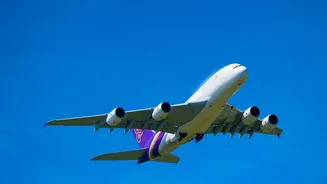
This change in cargo is physically redrawing the map. Traditional routes are being reconfigured around key semiconductor manufacturing and assembly hubs. While Taiwan remains the epicentre for cutting-edge chip fabrication, its main air cargo hub in Taipei is reportedly filled to capacity. As a result, new patterns are emerging. Airlines are adding freighter services linking hubs like Taipei, Seoul, Bangkok, and Hanoi directly with markets in North America and Europe. Southeast Asian nations like Vietnam, Malaysia, and Thailand are growing in importance as crucial manufacturing and assembly hubs for AI servers. This has led to a boom in freight throughput at airports like Singapore's Changi, which saw an 8.7% year-on-year increase in the first half of the year, largely thanks to global semiconductor demand.
Airlines Adapt to a High-Tech Payload
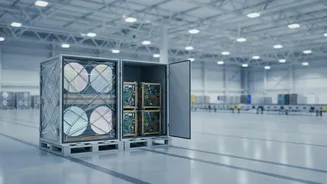
Shipping AI hardware requires more than just a new flight path. The cargo itself, from delicate chip manufacturing equipment to fully assembled server racks, demands special handling. In response, carriers are adapting their procedures. Cathay Pacific, for instance, has developed new software to determine the safest way to load and secure sensitive AI equipment. Taiwan's EVA Airways reports that AI-related shipments now account for up to half of its cargo revenue, prompting it to order more dedicated cargo aircraft to meet demand. The entire logistics chain, from shock-proof packaging to climate-controlled containers, is being upgraded to handle these mission-critical components, which can be ruined by a minor jolt or temperature change.
The Ripple Effects Across Supply Chains
The intense focus on AI is having wider consequences. The surge in demand for shipping these high-value components is squeezing air cargo capacity across major Asian export hubs. Some analysts note that AI-related goods have started to crowd out other types of cargo, putting pressure on industries that also rely on air freight for their supply chains. This shift is not only altering the flow of goods but also the economics of air cargo, with carriers able to command higher prices for the transport of time-sensitive tech. As the world continues to invest trillions in AI infrastructure, the logistical ballet in the skies over Asia will remain a critical, and closely watched, component of the digital revolution.