



The Soul of the South Indian Pantry
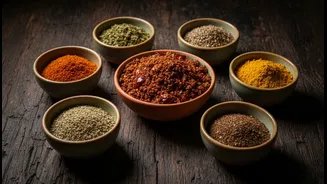
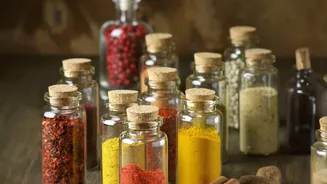
Podi, which simply means 'powder' in Tamil and other southern languages, is far more than just a spice mix; it's a culinary tradition stored in a jar. Walk into a South Indian kitchen, and you'll likely find a small collection of these dry, granular blends
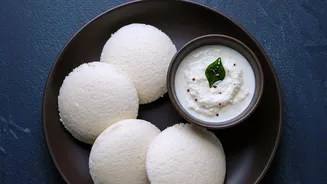
ready to be sprinkled on idlis, dosas, or mixed with hot rice and a spoonful of ghee or sesame oil. While recipes are fiercely guarded family signatures, passed down through generations, most are built on a foundational base of lentils, roasted and ground with spices. This is where urad dal (split black gram) and chana dal (split Bengal gram) enter the picture. They are the workhorses that provide the essential structure and much of the flavour profile that makes podi so beloved.
Meet the Foundational Pair
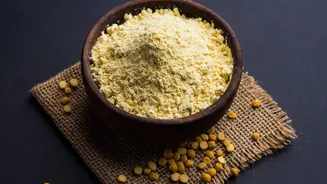
Urad dal and chana dal are the undisputed stars in many classic podi recipes, especially the iconic milagai podi (chilli powder) or idli podi. Though they may look similar to the untrained eye, each brings a unique personality to the blend. Chana dal, a member of the chickpea family, is known for providing a robust, nutty flavour and a more granular, coarse texture when ground. Urad dal, on the other hand, contributes a milder, earthier flavour and, when roasted, adds a creamy richness that helps bind the powder together. Many recipes use them in equal measure to achieve a perfect balance, though home cooks often tweak the ratios to suit their family's preference, some favouring a higher urad dal content for a smoother texture.
The Transformative Power of Roasting
The magic truly happens in the pan. Roasting is the single most important step in developing the 'nutty depth' mentioned in the headline. As the dals are dry-roasted on a low to medium flame, their raw, beany taste disappears, replaced by a deep, aromatic, and toasted flavour. This process dehydrates the lentils, making them crisp and easy to grind, while also triggering the Maillard reaction—a chemical process between amino acids and sugars that creates a wealth of complex, savoury flavours and a golden-brown colour. The key is to roast them slowly and evenly until they are fragrant and have turned a rich golden hue. Rushing this step can result in a podi that tastes raw or floury, while over-roasting can make the blend bitter.
Building the Perfect Body and Texture
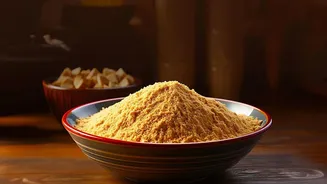
Beyond flavour, the dals are responsible for the 'body' of the podi—its texture and mouthfeel. When ground, the roasted dals create a coarse, satisfying powder that gives the condiment its characteristic heft. This is a world away from a fine, uniform spice powder. The slight grittiness from the chana dal and the fuller body from the urad dal create a texture that holds onto ghee or oil beautifully, turning into a delicious, paste-like condiment perfect for scooping up with a piece of idli. The texture isn't just for pleasure; it’s functional. A podi with good body adheres better to food, ensuring that every bite is packed with flavour. Whether ground finely or coarsely—a matter of personal preference—the contribution of these roasted lentils is what gives podi its signature, addictive quality.
A World of Podi Variations
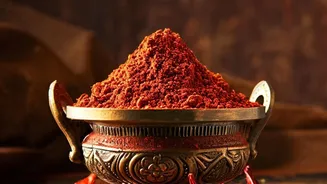
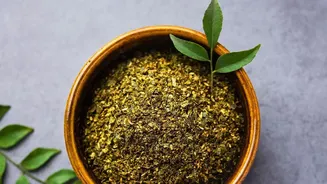
The versatility of this lentil base allows for an entire ecosystem of podis. The classic Idli Podi, or Milagai Podi, is perhaps the most famous, combining urad dal, chana dal, red chillies, and sometimes sesame seeds or asafoetida. But there are countless others. Paruppu Podi is a milder, more lentil-forward blend often made with toor dal alongside chana dal, designed to be the main flavour in a simple meal of rice and ghee. Karuveppilai Podi (curry leaf podi) incorporates dried and roasted curry leaves with the dals for an intensely aromatic and herbal flavour. Even modern variations using ingredients like flaxseed exist. In all these versions, urad and chana dal often remain as the reliable, flavourful foundation, proving that these simple pantry staples are the true heroes behind one of South India’s most cherished condiments.