




A Conservation Triumph
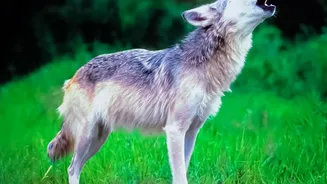
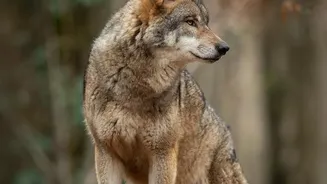
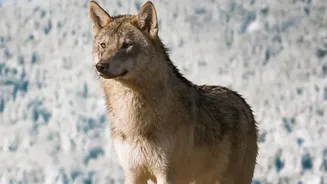
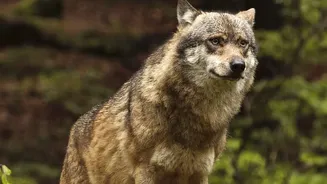
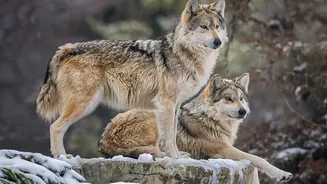
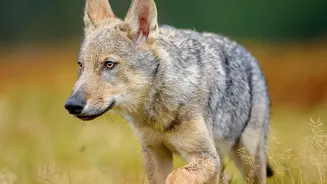
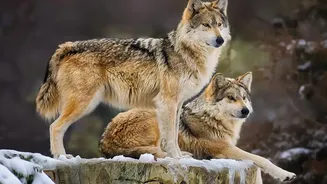
Across Europe, wolf populations are rebounding in a significant conservation success story. Protected by legislation and aided by the recovery of prey species like deer and wild boar, wolves are reclaiming their ancestral territories. Recent estimates
suggest the continent is now home to over 21,500 wolves, a dramatic increase of nearly 60% in just a decade. Countries like Italy, Spain, and Germany now host populations numbering over a thousand individuals each. This resurgence is a testament to the resilience of nature and decades of dedicated conservation work, proving that even in a human-dominated landscape, large carnivores can return.
From Fairytale Villain to Travel Star
For centuries, the wolf was the villain of European folklore, a symbol of fear to be eradicated. Today, that narrative is being rewritten. For a growing number of travellers, the wolf is a prized sighting, the star of a new kind of nature tourism. This shift is turning the animal from a perceived pest into a valuable economic asset for rural communities. Specialised tour operators now guide visitors on expeditions for a chance to see these elusive animals in their natural habitat, using the revenue to support local economies and further conservation efforts. It's a powerful example of how protecting biodiversity can create sustainable economic opportunities.
Europe's Wolf-Watching Hotspots
For those hoping to catch a glimpse of a wild wolf, a few key regions have emerged as prime destinations. In Italy's Abruzzo National Park, the Apennine wolf has been a stable presence for years. Here, operators offer multi-day tracking tours, especially in winter when snow makes tracks easier to spot, teaching guests to identify signs of wolf activity while exploring the rugged mountain landscape. Another major hotspot is the Sierra de la Culebra in northwestern Spain, which boasts one of the highest densities of Iberian wolves in Europe. Guides use high-powered telescopes to scan distant hillsides at dawn and dusk, offering a high probability of sightings without disturbing the animals. Similar experiences are also becoming available in Romania's Carpathian Mountains and parts of the French Alps.
The Challenge of Coexistence
The return of the wolf is not without its challenges. The comeback has reignited age-old conflicts, particularly with farmers and shepherds who face the threat of livestock predation. Countries like France, Spain, and Italy report thousands of livestock losses annually, leading to heated political debates about wolf management and protection levels. While attacks on humans are exceedingly rare, the fear they inspire, coupled with economic losses, creates significant tension in rural communities. Finding a balance between protecting a keystone species and safeguarding agricultural livelihoods is the central challenge for a future where humans and wolves share the landscape.
How Tourism Can Help
This is where nature tourism becomes more than just a holiday—it becomes part of the solution. By creating a tangible economic value for live wolves, tourism provides a powerful incentive for local communities to support conservation. The revenue generated from wolf-watching tours can directly fund measures to mitigate conflict, such as providing livestock guard dogs or better fencing for farmers. It also diversifies rural economies, offering employment for local guides, hotels, and restaurants, which can sometimes outweigh the financial losses from predation. Responsible, well-managed tourism demonstrates that coexistence is not only possible but can also be profitable, paving the way for a more balanced relationship with one of nature's most magnificent predators.