

The Philosophy: Control vs. Celebration
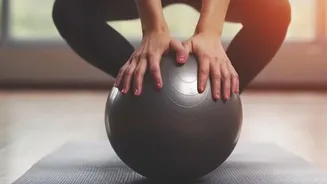
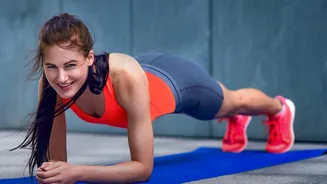
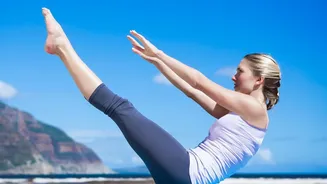
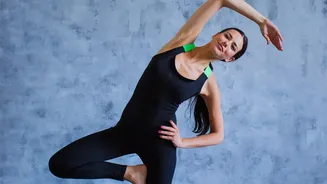
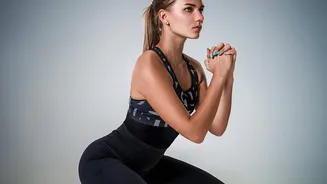
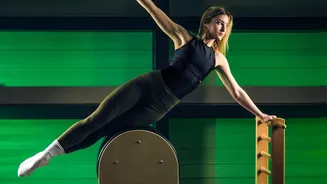
At its heart, Pilates is a discipline of control and precision. Developed by Joseph Pilates, its core principles include breath, concentration, centering, control, precision, and flow. Every movement is deliberate, originating from your 'powerhouse'—the
abdomen, lower back, hips, and buttocks—to build functional strength from the inside out. The goal is to create long, lean muscles, improve posture, and restore the body to balance through mindful execution. Zumba, on the other hand, is a celebration. It's a dance-based fitness program set to upbeat Latin and international music. The philosophy is simple: make exercise so enjoyable it doesn't feel like a workout. It’s less about perfect form and more about letting loose, feeling the music, and joining a high-energy party atmosphere that boosts your mood and motivation.
The Workout: Slow Burn vs. Cardio Blast
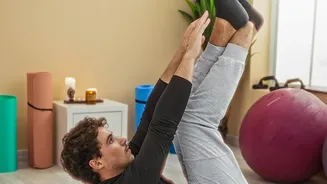
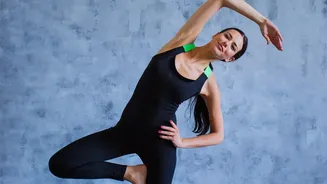
A Pilates session is typically a low-impact workout focused on muscular endurance and flexibility. Whether on a mat or specialized equipment, the exercises involve slow, controlled movements that challenge your stability and build deep muscle strength without adding bulk. It requires immense concentration to maintain proper alignment and breathing. In contrast, Zumba is a high-energy, full-body cardio workout. Classes are structured around interval training, alternating between fast-paced, high-intensity dance sequences and slower, lower-intensity tracks. This format is designed to keep your heart rate up, maximize calorie burn, and improve cardiovascular endurance. Expect to sweat a lot as you follow choreographed routines inspired by salsa, merengue, and hip-hop.
The Key Benefits: Strength vs. Stamina
The primary benefits of Pilates are directly tied to its core-centric approach. Regular practice leads to significantly improved core strength and stability, better posture, and increased flexibility. It's excellent for injury rehabilitation and prevention because it strengthens the deep stabilizing muscles that support your spine and joints. While it does build strength, its main focus isn't on weight loss, though it does contribute to a toned physique. Zumba's main advantage is its effectiveness as a cardiovascular workout. It is highly effective for burning calories, which can aid in weight loss when combined with a healthy diet. A typical session can burn over 360 calories. It also improves coordination, boosts stamina, and enhances overall cardiovascular health. Both workouts have been shown to reduce stress, but in different ways: Pilates offers a calming, mindful experience, while Zumba provides an energetic mood boost.
Who Is It For? The Focused vs. The Festive
Pilates is ideal for individuals who prefer a quieter, more focused environment. It’s perfect for those looking to improve their posture, build deep functional strength, or who are recovering from an injury and need a safe, low-impact option. If you enjoy meticulous, technical movements and want to build a stronger mind-body connection, Pilates is an excellent choice. Zumba is for anyone who loves to dance and thrives in a social, high-energy group setting. If your main goal is to burn calories, improve your heart health, and have fun while doing it, Zumba is hard to beat. It’s beginner-friendly, as the focus is on movement rather than perfection, and classes are designed to feel like a party.