






It's the ultimate trade-off for urban Indian homebuyers: a spacious flat with a long, draining commute, or a smaller home just minutes from the office. This choice is more than square feet versus travel time; it's a decision that shapes your finances
and daily quality of life.
The Great Indian Housing Dilemma
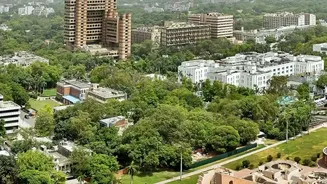
For countless professionals in cities like Mumbai, Bengaluru, and Delhi-NCR, the dream home often comes with a difficult choice. On one hand, peripheral suburbs and emerging corridors offer the allure of larger homes, more amenities, and often, a lower price tag. On the other, the heart of the city promises unparalleled convenience, a vibrant social life, and the priceless gift of time saved from traffic. This isn't just about personal preference; it's a complex calculation where every factor—from loan EMIs to mental peace—is on the line. As property prices in central urban areas continue to rise, more buyers are pushed towards the city's outskirts, forcing a direct confrontation with this modern dilemma.
The Case for a Bigger Home
The argument for choosing size over location has grown stronger in recent years. The rise of hybrid and remote work has transformed homes into offices, making a dedicated workspace a near necessity. A larger home in a suburban township can offer that extra bedroom, a study, or even a balcony with green views—luxuries that are often prohibitively expensive in the city centre. These developments also frequently come with built-in amenities like clubhouses, pools, and parks, creating a self-sufficient ecosystem for families. For those with growing families or who simply value personal space, a larger home provides a better quality of life within its four walls. The compromise, however, is significant and paid daily: the commute.
The Allure of a Shorter Commute
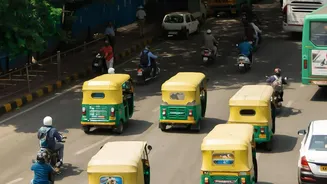
Advocates for location argue that time is the most valuable currency. In cities where peak-hour commutes can easily stretch to 90 minutes each way, living closer to work can return hours to your day. This reclaimed time can be spent with family, on fitness, or pursuing hobbies—activities that directly contribute to well-being and reduce stress. A prime location also means better access to established social infrastructure like top schools, hospitals, restaurants, and cultural hubs. From a long-term investment perspective, properties in central, well-connected areas tend to appreciate faster and have higher rental demand and liquidity, making them a safer financial bet. The trade-off is clear: you pay a premium for a smaller space, often in an older building with fewer modern amenities.
Crunching the Numbers: Beyond the EMI
A purely financial comparison is often misleading. A flat in the suburbs might seem cheaper on paper, but the total cost of ownership tells a different story. The daily commute has a real, recurring cost in fuel, tolls, and vehicle maintenance, which can add up to thousands of rupees each month. One analysis suggests a ₹15 lakh price discount on a suburban flat can be quickly eroded by the cost of a long commute over just a few years. Moreover, time itself has a monetary value. An extra 20 minutes in traffic each way can add up to over 160 hours per year—equivalent to four full work weeks. Homebuyers should calculate the total monthly outflow, including EMI, maintenance, and all commuting expenses, to get a true picture of affordability.
The Evolving Role of Remote Work
The acceptance of hybrid work models is a critical new variable. If you only need to be in the office two or three days a week, a longer commute becomes more tolerable. This has made suburban living a more practical choice for many, expanding the acceptable radius for homebuying. Developers are responding by designing larger homes with dedicated office spaces in peripheral corridors. This trend validates the 'integrated township' model, which combines residential life with supporting infrastructure. However, the 'walk-to-work' concept is also gaining traction in well planned urban zones, offering a 'liveworkplay' ecosystem that eliminates the commute entirely for those who can afford it.