

An Ambitious Expansion Plan
The centerpiece of BMW’s strategy is a significant expansion of its physical presence. The company has announced plans to extend its retail network to 50 cities by the end of 2026. This is not just about adding more dealerships in existing metros but
a calculated push into emerging markets. The company will establish new touchpoints—which include showrooms and service workshops—in ten new cities this year alone, including places like Mysore, Nashik, Jodhpur, and Guwahati. This move acknowledges a crucial shift in India's economic landscape: wealth and aspiration are no longer confined to the largest urban centers. By setting up shop in these Tier-2 and Tier-3 cities, BMW is placing a direct bet on the growing purchasing power of a new class of affluent customers who are ready to enter the luxury market. It's a strategy designed to capture first-time luxury buyers right at their doorstep, making the brand more accessible than ever.
A Product for Every Garage
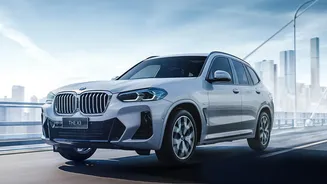
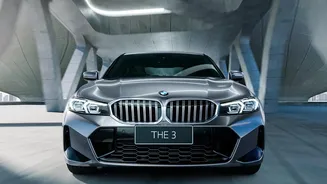
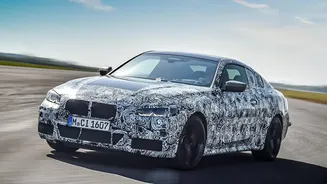
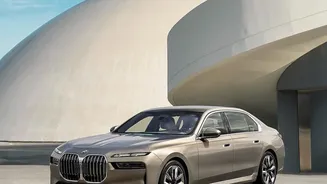
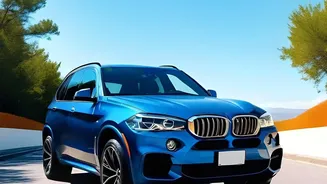
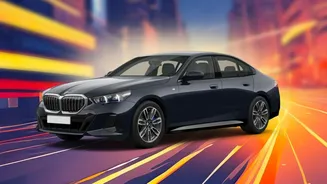
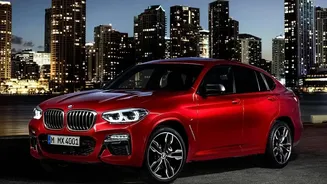
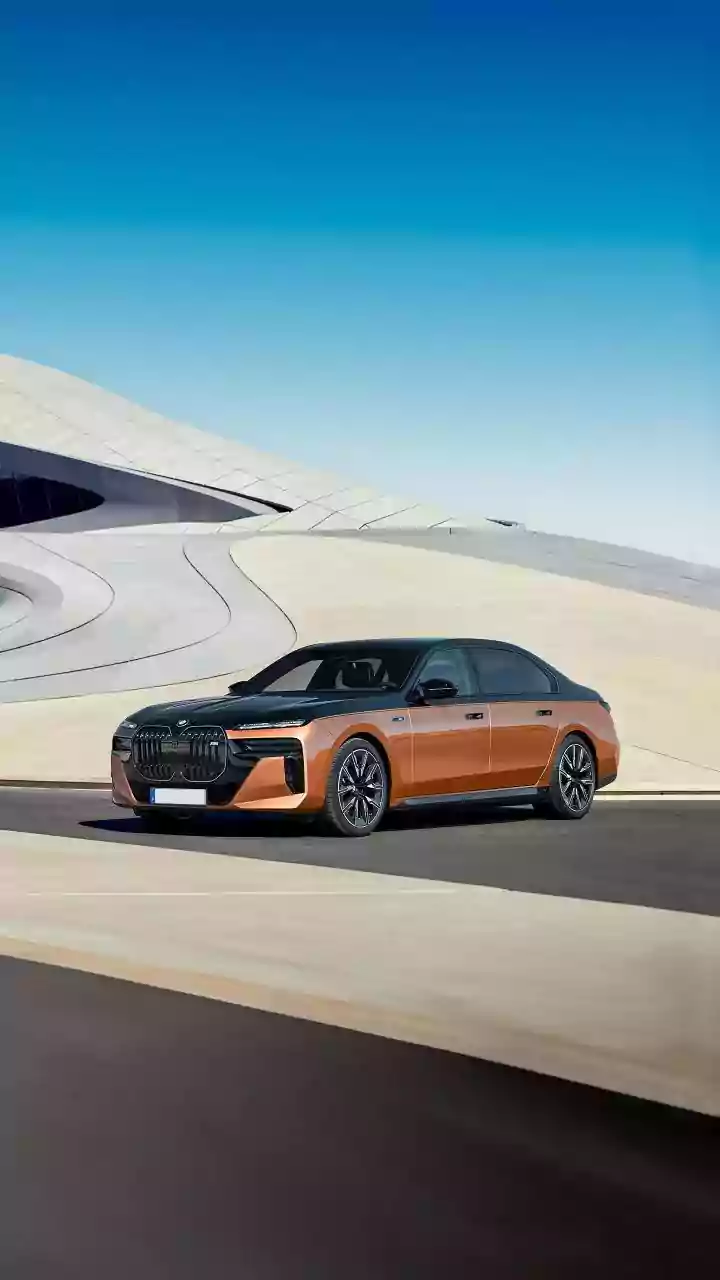
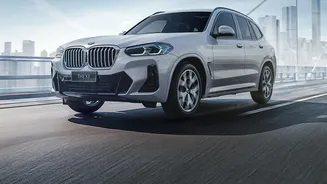
Complementing the network expansion is a relentless product offensive. BMW plans to launch 14 more new models by the end of 2026. This comes after already introducing 11 new products earlier in the year, many of which were reportedly sold out, giving the company confidence in its aggressive approach. This barrage of launches isn't about one single blockbuster; it’s about ensuring there's a BMW for every possible niche and preference. The upcoming portfolio will include a mix of luxury sedans, high-demand SUVs, powerful M performance models, and, crucially, a new wave of electric vehicles (EVs). With models like the next-generation X5, the all-electric iX3 based on its 'Neue Klasse' platform, and updates to its popular sedan series, BMW aims to leave no gaps in its lineup for competitors to exploit. This strategy ensures that whether a customer is looking for a family SUV, a sporty coupe, or a sustainable electric car, there will be a new offering with a BMW badge waiting for them.
The Strategy Behind the Surge
So, why this aggressive push now? The reasons are rooted in the current dynamics of the Indian market. First, luxury car penetration in India remains incredibly low, at just over 1% of total car sales, signaling massive headroom for growth. Second, the profile of the luxury car buyer is evolving. It's no longer just traditional business magnates; a significant portion of sales now comes from senior salaried professionals and successful startup founders. This new demographic is often in a 'discovery phase', less constrained by old brand loyalties and more open to exploration. By expanding its physical network and product variety, BMW can engage these new customers directly. The strategy is built on the back of a strong performance, with the company reporting its best-ever first-half sales in 2026. This success has provided both the capital and the confidence to double down on a strategy that is clearly resonating with the Indian market.
The Race for India's Luxury Crown
BMW's moves cannot be seen in isolation. They are a direct challenge in the fierce battle for supremacy in India’s luxury car market, primarily against its arch-rival, Mercedes-Benz. In the first half of 2026, the competition was neck-and-neck, with BMW Group India posting the highest growth rate among top players at 17%, closing the gap with the market leader. In fact, according to retail registration data, BMW pulled slightly ahead. A key differentiator for BMW has been its early and aggressive push into the electric vehicle segment. The brand commands a dominant share of the luxury EV market in India, and EVs accounted for a remarkable 26% of its total sales in the first half of 2026, a figure far ahead of its rivals. This twin-engine growth, powered by both its popular SUV range and its leadership in EVs, puts BMW in a powerful position. This new expansion is a clear signal that the company is not content with just competing; it is aiming for undisputed leadership.