








A New Way to Beat the Heat
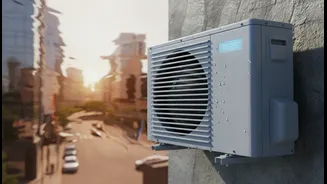
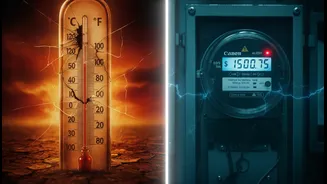
For decades, the solution to a hot building has been brute force: powerful air conditioning systems that consume enormous amounts of electricity. This approach is not only expensive but also contributes to the very climate change that makes cooling necessary
in the first place. But scientists are now perfecting a different approach known as passive radiative cooling. This technology uses specially engineered materials that can cool a surface even under direct sunlight, by reflecting solar heat and radiating a building’s own heat out into space. It’s a concept that has existed for centuries but is now being supercharged with modern materials science.
The Science of Staying Cool
It sounds like science fiction, but the physics are surprisingly elegant. These materials are designed to do two things exceptionally well. First, they are highly reflective, bouncing away most of the incoming sunlight so it doesn't heat up the building. Second, and more cleverly, they are engineered to emit thermal radiation in a very specific infrared wavelength range, between 8 and 13 micrometers. This range is known as the 'atmospheric window' because our atmosphere is transparent to these waves, allowing the heat to pass directly into the cold vacuum of space. The result is a surface that can become several degrees cooler than the surrounding air, even during the hottest part of the day.
From Opaque Panels to Clear Films
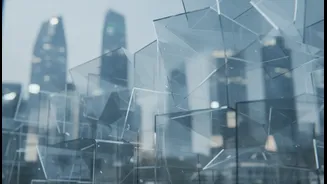
Early versions of this technology were opaque films or panels, ideal for rooftops but not for the vast glass surfaces of modern skyscrapers. The latest breakthroughs, however, involve creating these materials as transparent coatings or films. Using advanced techniques including AI and quantum computing, researchers are designing multi-layer coatings from common materials like silicon dioxide and titanium dioxide. These can be applied to windows to block heat-carrying infrared and ultraviolet light while allowing visible light to pass through, so you don't lose the view. Recent research highlights durable coatings that can reduce indoor temperatures by several degrees Celsius without blocking daylight.
The Potential for Big Energy Savings
The implications for energy consumption are enormous. Cooling accounts for a huge slice of global energy use, and this demand is growing. By reducing the amount of heat that enters a building in the first place, these cooling layers drastically lower the workload for conventional HVAC systems. Studies and simulations suggest that applying these technologies could cut a building's cooling energy needs by anywhere from 10% to over 30%, depending on the climate and specific application. This translates directly into lower electricity bills for building owners and reduced strain on national power grids during peak summer demand.
What Happens Next?
While the technology is incredibly promising, several hurdles remain before your next office building is coated in a cooling film. Durability is a key concern; these materials must withstand years of sun, rain, and grime without losing their effectiveness. Cost and scalability are also critical factors, as the materials need to be affordable to manufacture on a massive scale to have a real impact. Several companies, including SkyCool Systems and major players like 3M, are actively developing and commercializing these products, moving them from the laboratory to real-world rooftops and building facades. The journey from a niche technology to a standard building material is still underway, but the path is becoming clearer.